
Table of Contents
ToggleIf you have one or more missing teeth, dental implants can provide a long-term way to restore your smile, chewing ability and confidence. But before deciding on treatment, one of the biggest questions is usually: how much do dental implants cost in the UK in 2026?
For private treatment, a complete single dental implant commonly costs around £2,000 to £3,500, although prices can be lower or considerably higher depending on the dentist, location, implant system and whether additional procedures are required. Recent 2026 pricing data from UK dental practices places the typical cost around £2,500 for a complete single implant, while individual clinics advertise starting prices from approximately £2,200 to £3,250 or more.
However, the advertised price does not always represent the complete cost. Some quotes may cover only the implant fixture, while the abutment, crown, scans, extraction, bone grafting or other procedures are charged separately.
This guide explains dental implant costs in the UK in 2026, what you are paying for, how NHS funding works, what can increase the price and how to compare dental implant quotes before making a decision.
Here is a general guide to the prices you may encounter when researching dental implants privately in the UK:
| Treatment | Typical 2026 Private Cost |
|---|---|
| Single dental implant | £2,000–£3,500+ |
| Single implant in London | £2,500–£4,000+ |
| Multiple dental implants | £4,000–£10,000+ |
| Implant-supported bridge | £4,000–£8,000+ |
| Full-arch implant treatment | £10,000–£20,000+ per arch |
| Bone grafting | Additional cost depending on complexity |
| Sinus lift | Additional cost depending on treatment |
| Consultation and scans | May be included or charged separately |
These are indicative private-sector ranges rather than official UK-wide fees. Dental practices set their own prices, and your final treatment plan can only be determined after a clinical assessment.
For example, 2026 clinic prices currently show complete single implants starting at around £2,200 in some practices, while London clinics may advertise prices of £2,950 or more.
The most important point is to ask whether the quoted figure is all-inclusive.
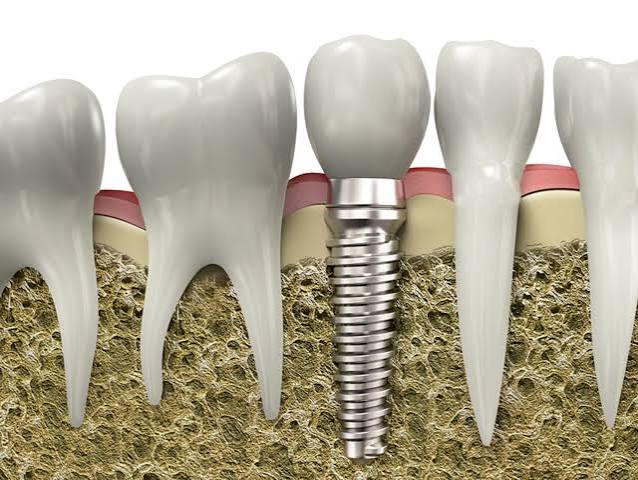
A dental implant is an artificial tooth root that is placed into the jawbone. It can then support a replacement tooth, such as a crown, or help secure a bridge or denture.
A typical implant restoration has three main components:
Implant fixture: The screw-like component placed into the jawbone.
Abutment: The connector between the implant and replacement tooth.
Crown: The visible replacement tooth.
Dental implants can be used to replace a single missing tooth, several missing teeth or, in some situations, to support a full set of replacement teeth.
Unlike a conventional bridge, an implant can replace the missing tooth without requiring the adjacent healthy teeth to be prepared in the same way as traditional bridgework. Cambridge University Hospitals notes that implants can be used to replace individual or multiple teeth and can support dentures when all teeth are missing.
If you are currently experiencing severe tooth pain, swelling or another urgent dental problem, implant treatment may not be your immediate priority. In that situation, you may first need urgent assessment. See our guide to an emergency dentist in the UK for information about what to do when you need urgent dental care.
A single dental implant typically costs around £2,000 to £3,500 privately in the UK in 2026, although some treatments can fall outside this range.
The biggest mistake patients can make is comparing prices without checking what is included.
For example, one dental practice might advertise an implant from £1,000, but that figure could refer only to the implant fixture. Another clinic might quote £2,950 for the complete implant, abutment and crown.
Recent 2026 UK pricing examples demonstrate this variation. One clinic lists a complete single implant from £2,200, while another London practice lists a single implant including the crown from £2,950.
Therefore, the cheapest advertised implant price is not necessarily the cheapest overall treatment.
When requesting a quote, ask whether it includes:
Initial consultation
Dental examination
X-rays
3D/CBCT scan
Tooth extraction
Implant fixture
Abutment
Temporary tooth
Permanent crown
Bone grafting
Sinus lift
Follow-up appointments
Treatment of complications
Aftercare and maintenance
Getting an itemised treatment plan makes it much easier to compare different dentists.
Dental implants involve more than simply placing a screw into the jaw.
Treatment usually requires detailed planning, imaging, surgical placement, healing time and restorative treatment.
According to Guy’s and St Thomas’ NHS Foundation Trust, implant treatment may involve several stages, including assessment, possible bone grafting, implant placement and restorative treatment. The overall process can take approximately 6 to 12 months, depending on the patient’s circumstances.
Several factors contribute to the overall price.
Replacing one tooth is usually significantly less expensive than replacing several teeth.
If you need three individual implants, for example, you may need multiple implant fixtures, abutments and crowns. However, several missing teeth can sometimes be replaced using an implant-supported bridge, meaning you may not necessarily need one implant for every missing tooth.
Your dentist will determine the most appropriate approach after assessing your teeth, gums and jawbone.
Dental implant prices can vary significantly across the UK.
London and other major cities can have higher dental fees because of differences in operating costs, premises, staffing and specialist services.
For example, current 2026 London clinic pricing includes complete single implants starting at around £2,950, while some regional practices advertise lower starting prices.
This does not mean a more expensive clinic is automatically better. The dentist’s qualifications, experience, treatment planning, implant system, aftercare and overall quality should also be considered.
Different implant systems and restorative materials have different costs.
Your dentist may discuss:
Implant manufacturer
Implant material
Abutment type
Crown material
Digital planning
Laboratory work
Rather than choosing an implant based purely on brand name, ask your dentist why a particular system is being recommended and what long-term maintenance will involve.
Some patients do not have enough healthy jawbone to support an implant.
This can happen after a tooth has been missing for an extended period because the bone supporting the tooth can gradually change.
If there is insufficient bone, your dentist may recommend bone grafting before or during implant treatment.
Guy’s and St Thomas’ explains that bone grafting can be used to increase the amount of bone available for an implant. In many cases, the graft is allowed to heal for several months before implant treatment continues.
Bone grafting therefore adds both cost and treatment time.
If an implant is required in the upper back jaw and there is insufficient bone beneath the sinus, a sinus lift may sometimes be recommended.
This is an additional surgical procedure and can increase the total cost of treatment.
Not every patient needs a sinus lift, so it should not automatically be included in your expected implant budget.
If the damaged tooth is still present, you may need an extraction before implant placement.
The extraction may be charged separately from the implant treatment.
In some situations, implant placement may be planned around the extraction, while in other cases the area may need time to heal first.
Dental anxiety is common, and some patients choose sedation for surgical dental procedures.
If sedation is clinically appropriate and available, it can add to the overall cost.
Always ask whether sedation is included in your treatment quote or charged separately.
The cost of replacing several missing teeth depends on how many teeth need replacing and the treatment design.
You may not need one implant for every missing tooth.
For example, an implant-supported bridge can sometimes use strategically positioned implants to support multiple replacement teeth.
As a broad private-treatment guide in 2026:
Two implants: approximately £4,000–£6,000+
Three implants: approximately £6,000–£9,000+
Four implants: approximately £8,000–£12,000+
Full-arch treatment: approximately £10,000–£20,000+ per arch
These figures are only indicative because complex cases can cost considerably more.
A current London clinic, for example, lists two implants from £4,945 and four implants from £9,945, while full-arch treatment can be significantly more expensive depending on the treatment plan.
Patients who have lost most or all of their teeth may be offered a full-arch implant solution.
Rather than placing an individual implant for every tooth, techniques such as All-on-4 or All-on-6 can use several implants to support a fixed arch of replacement teeth.
In 2026, private full-arch implant treatment can commonly cost around £10,000 to £20,000 or more per arch, depending on the technique, number of implants, materials, temporary and permanent restorations, and additional procedures required.
Treatment costs can be considerably higher for complex cases involving extensive bone loss, grafting or other surgical procedures.
Because full-mouth treatment is highly individual, you should not rely on a generic online price. A dentist should assess your mouth and provide a personalised written treatment plan.
This is one of the most important questions for UK patients.
Dental implants are not routinely available through the NHS for most people who have lost teeth.
NHS-funded implant treatment is generally limited to specific clinical circumstances and patients who meet strict eligibility criteria.
For example, NHS hospital implant services may consider patients who have experienced:
Severe facial trauma
Head and neck cancer treatment
Certain inherited or developmental conditions
Significant problems with missing teeth where conventional dentures have not been successful
Guy’s and St Thomas’ NHS Foundation Trust states that its NHS implant service is limited to certain high-priority groups, including patients affected by head and neck cancer, severe trauma, inherited conditions and some cases involving unsuccessful denture treatment.
Cambridge University Hospitals similarly states that NHS funding for dental implants is limited and that strict criteria must be met.
Therefore, if you simply want an implant because you prefer it to a denture or bridge, you will generally need to consider private dental treatment.
There is no simple national NHS dental implant price that applies to everyone.
If you qualify for NHS-funded implant treatment through an appropriate hospital or specialist service, funding arrangements can differ depending on the clinical circumstances and service.
Importantly, NHS implant eligibility is based on clinical need rather than simply wanting an implant as a cosmetic or preferred option.
If you are looking for an NHS dentist, our guide on how to find an NHS dentist in 2026 can help you understand your options.
Before accepting a quote, ask the dentist to confirm exactly what is included.
A comprehensive quote may include:
The dentist assesses your oral health and discusses your treatment options.
Imaging helps the dental team assess bone levels and plan implant placement.
The implant fixture is surgically placed into the jawbone.
The abutment connects the implant to the replacement tooth.
The crown is the visible tooth-shaped restoration.
Some patients require a temporary tooth while the implant heals.
Healing and implant integration need to be monitored before the final restoration is fitted.
If your quote does not clearly identify these components, ask for clarification before committing to treatment.
Dental implant treatment usually takes place over several stages.
Your dentist will examine your mouth, gums and remaining teeth.
They may take:
Dental X-rays
Digital scans
Impressions
CBCT scans
The aim is to determine whether an implant is suitable and whether enough bone is available.
If you have gum disease, infection, decay or another oral health problem, this may need to be treated before implant surgery.
Patients need good oral health and effective oral hygiene to give implant treatment the best chance of success.
If there is insufficient bone, your dentist may recommend bone grafting.
This can extend the overall treatment timeline by several months. Guy’s and St Thomas’ notes that bone grafting can require a healing period of around 3 to 6 months.
The implant is placed into the jawbone.
Local anaesthetic is normally used during the procedure.
The implant needs time to integrate with the surrounding bone.
Guy’s and St Thomas’ states that patients usually wait at least three months before an implant can support replacement teeth, although the exact timeline varies.
Once healing is satisfactory, the replacement tooth is created and fitted.
The dentist will check the fit, appearance and bite before completing treatment.
Dental implants can be an excellent option for many people, but they are not suitable for every patient.
Your dentist may consider:
Bone quantity and quality
Gum health
Existing teeth
Oral hygiene
Smoking
Tooth grinding
General health
Certain medications
Previous dental treatment
Active gum disease or poor oral hygiene may need to be addressed before implant placement.
Cambridge University Hospitals notes that implant outcomes can be affected by the health of the gums, quality of the jawbone and smoking.
This is why a consultation is essential before deciding whether implants are right for you.
Smoking is an important factor to discuss with your dentist.
Smoking can negatively affect healing and the long-term success of implant treatment.
Some specialist NHS implant services have strict criteria regarding smoking. For example, Guy’s and St Thomas’ and Leeds Teaching Hospitals list smoking and oral health among factors considered when assessing patients for implant treatment.
If you smoke, your dentist may recommend stopping before implant surgery and maintaining good oral hygiene throughout treatment.
Diabetes does not automatically mean that you cannot have dental implants.
However, your dentist will need to consider your overall health and how well your condition is controlled.
Good oral hygiene and appropriate management of blood glucose are important considerations before undergoing complex dental treatment.
If you are interested in understanding healthy blood glucose levels, you can also read our guide on what is a normal blood sugar level.
If you’re managing diabetes through diet, our guide to a diabetes diet plan and foods to eat and avoid may also be useful.
Your dentist and healthcare professional can advise you based on your individual circumstances.
Dentures are generally less expensive initially than dental implants.
However, the best option depends on your oral health, number of missing teeth, budget, expectations and long-term goals.
Advantages may include:
Fixed replacement teeth
Natural-looking appearance
No need to remove the teeth for cleaning
Can support crowns, bridges or dentures
Can help preserve jawbone around the implant
Potential disadvantages include:
Higher initial cost
Surgical procedure
Longer treatment timeline
Possible need for bone grafting
Maintenance and future restoration costs
Advantages may include:
Lower initial cost
Non-surgical treatment
Can replace multiple missing teeth
Usually quicker to provide
Potential disadvantages may include:
Removable
May move during eating or speaking
Require regular cleaning
May need adjustment or replacement over time
Your dentist can explain which option is most appropriate for your situation.
A dental bridge can also replace missing teeth.
Traditional bridges usually rely on neighbouring teeth for support, whereas implant-supported bridges use dental implants.
The right choice depends on the condition of the adjacent teeth, the number of missing teeth, bone availability and your long-term dental goals.
A dental professional can compare:
Cost
Longevity
Maintenance
Appearance
Surgical requirements
Impact on neighbouring teeth
There is no single solution that is best for every patient.
When researching dental implants, don’t simply search for the lowest price.
Instead, compare the total treatment package.
Ask each dentist:
What is the complete treatment cost?
Does the price include the implant?
Is the abutment included?
Is the crown included?
Are scans included?
Is tooth extraction included?
Could I need bone grafting?
Could I need a sinus lift?
Are temporary teeth included?
How many appointments are included?
What happens if the implant fails?
What aftercare is provided?
How much will future maintenance cost?
What implant brand and components are being used?
Is finance available?
A written, itemised quote makes price comparison much easier.
A very low advertised price can be attractive, but it is important to understand what you are actually receiving.
A price advertised as “implant from £999” may not include:
Crown
Abutment
Consultation
CT scan
Bone graft
Extraction
Temporary restoration
Follow-up care
The final price may therefore be considerably higher.
Conversely, a higher-priced quote may include most or all of these services.
The best approach is to compare like-for-like treatment plans, rather than comparing headline prices.
Dental tourism can appear attractive because some overseas clinics advertise substantially cheaper implant treatment.
However, price should not be the only consideration.
Dental implant treatment can require:
Multiple appointments
Follow-up visits
Healing periods
Adjustments
Management of complications
Long-term maintenance
If something goes wrong after returning to the UK, additional treatment may be required locally.
There may also be differences in regulation, professional standards, follow-up arrangements and what happens if an implant fails.
Before travelling abroad for major dental treatment, carefully investigate the dentist, clinic, qualifications, treatment plan, materials, aftercare and arrangements for complications.
Many private dental practices offer finance options for eligible patients.
Some clinics advertise interest-free finance for certain periods, while others offer longer-term finance that may involve interest.
For example, some 2026 UK practices advertise financing options alongside implant treatment.
Before agreeing to finance, check:
Total amount payable
Interest rate
Deposit
Monthly payment
Finance period
Early repayment terms
Eligibility requirements
Do not choose a dental clinic solely because it offers monthly payments. The quality and suitability of the treatment should remain the priority.
Dental implant treatment is not usually completed in one appointment.
The overall timeline depends on whether you need:
Tooth extraction
Bone grafting
Gum treatment
Implant placement
Healing
Abutment placement
Crown fabrication
Some straightforward cases can be completed relatively quickly, while complex treatment can take many months.
Guy’s and St Thomas’ states that the overall implant process may take 6 to 12 months, while bone grafting can extend treatment further.
This is another reason why comparing only the initial price can be misleading.
You cannot always predict every clinical requirement before assessment, but you can reduce surprises by asking for a detailed treatment plan.
Before starting treatment:
Avoid relying solely on a verbal estimate.
Find out whether the dentist expects you may need bone grafting, sinus lifting or extraction.
Make sure the implant, abutment, crown and imaging are clearly listed.
Understand what happens if you experience a problem after treatment.
Implants can require maintenance, and crowns or other components may eventually need repair or replacement.
Getting a second opinion can help you understand whether the proposed treatment and price are reasonable.
Price is important, but choosing the right dental professional is even more important for complex treatment.
Consider:
Relevant dental qualifications
Implant training and experience
Professional registration
Experience with cases similar to yours
Before-and-after examples where appropriate
Clear treatment planning
Transparent pricing
Follow-up arrangements
Emergency support
Patient reviews
Explanation of alternative treatments
If you are looking for private dental care, our guide to finding a reliable private dentist in Croydon provides additional information about choosing a private dental provider.
Sometimes an implant cannot be placed immediately.
You may first need treatment for:
Tooth decay
Gum disease
Infection
A damaged tooth
Poor oral hygiene
Insufficient bone
In these situations, treating the underlying dental problem may be more important than immediately proceeding with an implant.
If you have an urgent dental problem, read our Emergency Dentist UK guide for advice on dealing with dental emergencies.
Invisalign and dental implants solve very different dental problems.
Dental implants replace missing teeth.
Invisalign moves existing teeth into better positions.
If you have crowded or misaligned teeth but do not have missing teeth, orthodontic treatment may be more appropriate than implants.
If you’re interested in clear aligners, see our guide to Invisalign teeth straightening in Hanwell.
A dentist or orthodontic professional can assess your teeth and recommend the appropriate treatment.
The cost of an implant should not be considered a one-time expense.
Although dental implants can provide a long-term tooth replacement, they still require good oral hygiene and professional monitoring.
You may eventually need:
Replacement or repair of a crown
Maintenance of implant components
Treatment for gum inflammation
Professional cleaning
Replacement of worn prosthetic components
Cambridge University Hospitals notes that implant-supported crowns, bridges or dentures can require refurbishment over time and that problems such as mucositis or peri-implantitis can occur when implants are not adequately maintained.
Regular dental appointments and careful cleaning are therefore important for protecting your investment.
A complete single dental implant commonly costs around £2,000 to £3,500 privately in the UK in 2026, although prices vary considerably. London and complex cases can cost more. Some clinics advertise starting prices around £2,200, £2,950 or higher.
A typical complete single implant is often around £2,500, based on 2026 pricing data from UK practices. However, this is not an official national fixed price, and the actual cost depends on the clinic and treatment requirements.
Dental implants are not routinely available free on the NHS. NHS-funded implant treatment is generally restricted to specific clinical circumstances and high-priority cases.
Coverage depends entirely on the terms of your dental insurance policy. Some plans may provide partial benefits for certain treatments, while others exclude implants. Check your policy before beginning treatment.
Full-arch or full-mouth implant treatment can cost approximately £10,000 to £20,000 or more per arch privately, depending on the number of implants, restoration, materials and additional procedures.
Not necessarily. Some dental practices include minor grafting within certain packages, while others charge separately. Always ask your dentist for an itemised treatment plan.
Possibly. However, long-term tooth loss can affect the jawbone, and some patients may require bone grafting before implant placement. Your dentist will need to assess the available bone with appropriate imaging.
The implant placement procedure is normally performed using local anaesthetic, so you should not feel pain during the surgery. Some soreness, swelling or discomfort can occur during recovery.
Straightforward cases can take several months from assessment to final restoration. More complicated cases can take longer, particularly when bone grafting is required. Some NHS hospital guidance estimates an overall treatment period of around 6 to 12 months.
For suitable patients, dental implants can provide a stable and long-term way to replace missing teeth. However, whether they are worthwhile depends on your oral health, budget, expectations and available alternatives. Your dentist should explain the benefits, risks and alternatives before treatment.
For most people researching dental implant costs in the UK in 2026, a sensible starting budget for a complete single implant is around £2,000 to £3,500.
However, don’t assume that every advertised price represents the total cost.
Your final price may increase if you need:
Tooth extraction
Bone grafting
Sinus lift
Additional implants
Temporary teeth
Sedation
Complex restorative work
Specialist treatment
NHS implant treatment is available only in limited circumstances, so most patients considering implants as a preferred replacement for missing teeth will need to explore private treatment.
The best way to compare dental implant prices is to obtain a written, itemised treatment plan from a qualified dental professional. Look beyond the headline price and consider the dentist’s experience, treatment quality, implant system, aftercare and long-term maintenance.
Most importantly, don’t make a major dental decision based on price alone. The cheapest quote may not provide the same treatment, materials or level of aftercare as a more comprehensive package.
If you need urgent dental treatment before considering implants, you can read our guide to an emergency dentist in the UK. For routine NHS dental care, see our guide on how to find an NHS dentist in 2026.
For more health and dental information, visit the Health Cresto blog.
We use cookies to improve your experience on our site. By using our site, you consent to cookies.
Manage your cookie preferences below:
Essential cookies enable basic functions and are necessary for the proper function of the website.
These cookies are needed for adding comments on this website.
Google Tag Manager simplifies the management of marketing tags on your website without code changes.
Statistics cookies collect information anonymously. This information helps us understand how visitors use our website.
Google Analytics is a powerful tool that tracks and analyzes website traffic for informed marketing decisions.
Service URL: policies.google.com (opens in a new window)