
Table of Contents
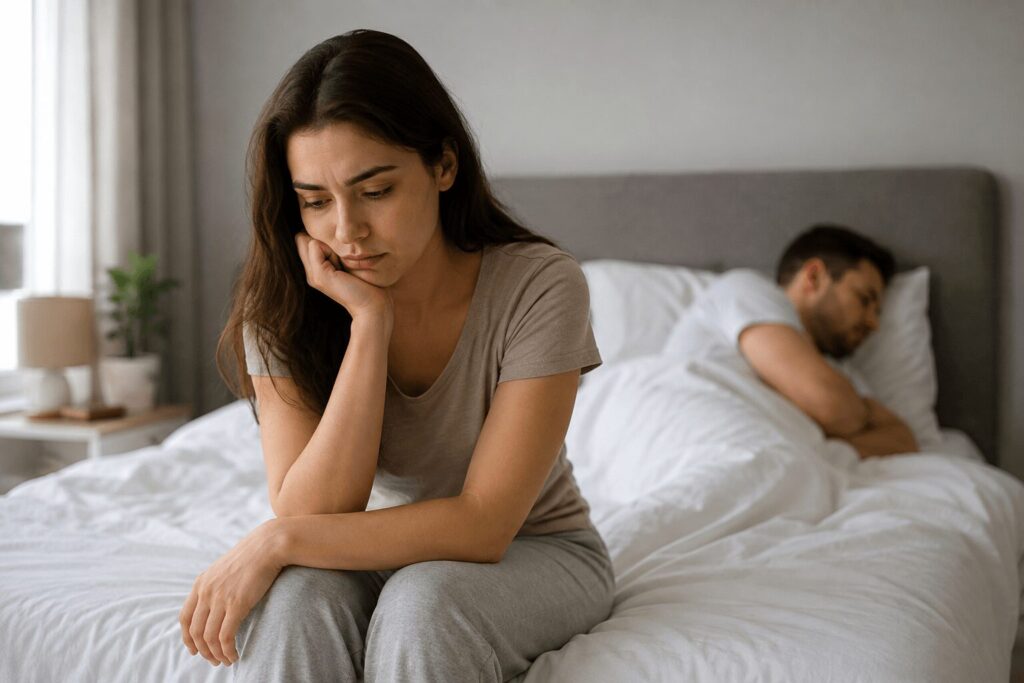
ToggleLow libido, or a reduced interest in sex, is common and can happen at any stage of a woman’s life. It may be temporary, linked to stress, relationships, tiredness or medication, or connected to hormonal changes, menopause, mental health conditions or another underlying health problem.
Having a low sex drive does not automatically mean something is medically wrong. However, if a change in sexual desire is persistent, causes distress or affects your relationship or quality of life, it is worth speaking with a GP or another qualified healthcare professional.
The NHS recognises several possible causes of low libido, including relationship difficulties, anxiety and depression, vaginal dryness, pregnancy and having a baby, menopause, some medicines, hormonal contraception and long-term health conditions.
This guide explains low libido in women in the UK, including common causes, how it may be assessed, the relationship between low libido and menopause, and NHS treatment options.
Low libido means having less interest in sexual activity than you normally would. Some women may notice that they rarely think about sex, while others may still have sexual thoughts but feel less motivated to have sex.
There is no single level of sexual desire that is considered “normal”. Libido varies considerably between individuals and can change throughout life.
A temporary reduction in sexual desire can occur during periods of:
Stress or emotional pressure
Tiredness or lack of sleep
Relationship difficulties
Pregnancy or after having a baby
Physical illness
Changes in hormones
Menopause or perimenopause
Anxiety or depression
Changes in medication
Pain or vaginal dryness
The NHS recommends speaking to a GP if you are worried about low libido, think medication or contraception could be contributing to it, or your sex drive has not returned to normal after pregnancy.
Low sexual desire rarely has just one explanation. Physical, psychological, hormonal, relationship and lifestyle factors can overlap.
Work pressure, financial worries, family responsibilities and ongoing stress can reduce sexual desire. When your mind is occupied with worries, it can become difficult to feel interested in intimacy.
Anxiety may also cause physical tension and make sexual activity feel less comfortable or enjoyable.
If anxiety is affecting your everyday life, you may also find our guide on the early signs of anxiety useful.
Depression can affect interest in activities that previously felt enjoyable, including sex. Low mood, tiredness, poor sleep and reduced self-esteem can all contribute to reduced sexual desire.
If you are experiencing persistent low mood alongside low libido, it may be helpful to discuss both symptoms with a GP rather than treating the change in sexual desire separately.
HealthCresto also covers depression symptoms in men and women and key differences in depression symptoms between men and women.
Hormonal changes during perimenopause and menopause are an important cause of reduced sexual desire in some women.
The NHS lists reduced sex drive among possible symptoms of menopause. Other symptoms may include hot flushes, sleep problems, mood changes, vaginal dryness and pain or discomfort during sex.
Our guide to menopause symptoms in the UK explains these changes in more detail.
You can also read about what age menopause starts in the UK.
Low libido can sometimes be a consequence rather than the original problem.
For example, vaginal dryness may make sex uncomfortable or painful. If sexual activity repeatedly causes discomfort, you may naturally become less interested in it.
Vaginal dryness can occur during menopause but can also be associated with pregnancy, breastfeeding, some medicines, hormonal contraception and certain medical conditions.
The NHS recommends options such as vaginal lubricants and moisturisers for dryness, while a GP may recommend appropriate hormonal treatment where suitable.
Some medicines can affect sexual desire.
Antidepressants are one example. NHS information lists sexual problems, including low sex drive, among possible side effects of several antidepressants.
Other medicines may also contribute to reduced libido. If you think a medicine is affecting your sex drive, do not stop taking it suddenly. Speak to your GP or pharmacist about possible alternatives or adjustments.
For women taking antidepressants, our article on how long antidepressants take to work provides additional information.
Some women notice changes in sexual desire while using hormonal contraception. However, the relationship is not always straightforward, and changes in libido may have several possible causes.
For example, NHS guidance notes that some people taking the progestogen-only pill report changes in sex drive, although there is not enough evidence to confirm that the pill itself causes these changes.
If you think contraception is affecting your libido, discuss your symptoms with a GP, pharmacist or sexual health professional before changing your contraception.
Pregnancy and having a baby can cause significant physical, hormonal and emotional changes.
After childbirth, tiredness, changes in body image, breastfeeding, hormonal changes, relationship adjustments and the demands of caring for a baby may all affect sexual desire.
The NHS specifically identifies pregnancy and having a baby as possible contributors to low libido.
Certain health conditions can affect sexual desire either directly or indirectly.
The NHS lists conditions including:
Diabetes
Heart disease
An underactive thyroid
Cancer
as possible causes associated with low sex drive.
If your libido has changed significantly without an obvious explanation, particularly alongside other new symptoms, a GP assessment can help identify whether an underlying condition needs attention.
Low libido can be associated with menopause, but it does not necessarily mean that menopause is the cause.
Menopause occurs when periods stop because of declining reproductive hormones. The NHS states that menopause usually affects women between 45 and 55, although it can occur earlier.
During perimenopause and menopause, several changes can combine to affect sexual desire. These may include:
Lower oestrogen levels
Changes in sexual desire
Vaginal dryness
Pain or discomfort during sex
Sleep problems
Hot flushes
Anxiety or low mood
Reduced energy
Changes in body image
This is why treating only libido may not address the underlying problem. For example, improving vaginal dryness or managing troublesome menopause symptoms may also make intimacy more comfortable.
The connection between vaginal symptoms and libido is important.
When oestrogen levels fall around menopause, vaginal tissues can become drier and more sensitive. This can cause soreness, irritation or pain during sex.
A woman experiencing pain may understandably avoid sexual activity, which can then be perceived as low sexual desire.
Treatment therefore depends on the symptoms involved.
For mild dryness, water-based lubricants and vaginal moisturisers may help. The NHS also advises avoiding perfumed soaps, washes and douches around the vagina because they can cause irritation.
If symptoms continue, a healthcare professional can discuss prescription options such as vaginal oestrogen where appropriate.
There is no single test that diagnoses low libido.
A GP will usually want to understand what has changed, when it started and whether anything else changed around the same time.
Your appointment may involve questions about:
Your current level of sexual desire
When the change started
Whether it is causing distress
Menstrual changes
Possible perimenopause or menopause symptoms
Vaginal dryness or pain
Pregnancy or recent childbirth
Stress and sleep
Anxiety or depression
Relationship difficulties
Current medicines
Hormonal contraception
Existing health conditions
Other symptoms you have noticed
The purpose is not to judge your sex life. It is to determine whether there is an identifiable physical, hormonal, psychological, medication-related or relationship-related factor.
No.
Blood tests are not automatically required simply because you have low libido. The need for testing depends on your symptoms and what your clinician suspects may be contributing.
For example, menopause diagnosis is generally based on symptoms rather than routine hormone testing in otherwise healthy women aged 45 or over who have typical menopausal symptoms, according to NICE guidance.
A clinician may arrange investigations when another medical condition is suspected or when your age, symptoms or medical history make testing appropriate.
There is no single NHS treatment for low libido because treatment depends on the underlying cause.
The NHS states that treating the cause of low sex drive should help improve sexual desire.
Possible approaches include the following.
If low libido is associated with menopause, hormone replacement therapy (HRT) may be considered to manage appropriate menopause symptoms.
HRT replaces hormones that decline around menopause and can help symptoms such as hot flushes, night sweats, sleep problems, mood changes and vaginal dryness.
The appropriate type of HRT depends on factors such as whether you still have periods and whether you have had a hysterectomy.
Treatment should be individualised with a healthcare professional.
Testosterone may be considered for some women with low sexual desire associated with menopause when HRT alone has not been effective.
NICE recommends considering testosterone supplementation for menopausal women with low sexual desire when HRT alone is not effective.
The NHS states that testosterone gel or cream may improve low libido for some women and may be prescribed by a menopause specialist.
It is not appropriate to self-prescribe testosterone. A clinician should assess whether it is suitable for you.
The NHS also notes that testosterone is not currently licensed specifically to treat menopause symptoms, although a specialist may prescribe it in appropriate circumstances.
When vaginal dryness or irritation is contributing to low libido, vaginal oestrogen may be considered.
It is a local form of HRT used to treat vaginal symptoms associated with menopause. It is available in forms including creams, gels, tablets, pessaries and vaginal rings.
Vaginal oestrogen can take time to work fully; NHS information states that it may take up to three months for the full effect.
It is not suitable for everyone, so speak with a doctor or pharmacist before using hormonal treatment.
If depression or anxiety is contributing to low libido, treating the underlying mental health problem may be part of the solution.
Depending on your circumstances, treatment may include talking therapies such as CBT, medication or a combination of approaches.
However, some antidepressants can themselves cause sexual side effects, including low libido. This means your healthcare professional may need to consider both your mental health and sexual side effects when reviewing treatment.
Never stop antidepressants abruptly without medical advice.
If low libido started after beginning a medicine or contraceptive, tell your GP or pharmacist.
The NHS advises that treatment may involve changing to another medicine or type of contraception where appropriate.
Any change should be made with professional advice rather than stopping treatment independently.
Low libido can sometimes be connected to relationship difficulties, communication problems, past experiences or emotional factors.
Relationship counselling or appropriate psychosexual support may be helpful when these issues are contributing to reduced desire.
This does not mean that low libido is “all in your head”. Sexual wellbeing can be influenced by both physical and psychological factors, and addressing either side can improve the overall situation.
Lifestyle changes may help when factors such as stress, tiredness, poor sleep or general wellbeing are contributing to reduced desire.
Helpful habits may include:
Getting enough sleep
Exercising regularly
Managing ongoing stress
Reducing excessive alcohol intake
Avoiding smoking
Eating a balanced diet
Making time for relaxation
Addressing relationship concerns
Seeking help for persistent anxiety or low mood
Lifestyle changes should not be viewed as a replacement for medical treatment when an underlying health condition, menopause symptoms or medication side effect is involved.
For example, if stress is affecting your wellbeing, our guide to recovering from burnout while still working may provide useful background.
Consider speaking to a GP if:
Your sex drive has changed significantly
Low libido is causing you distress
It is affecting your relationship or quality of life
You have vaginal dryness or pain during sex
You have symptoms of perimenopause or menopause
You think a medicine is affecting your libido
You think contraception may be contributing
Low libido began after pregnancy and has not improved
You have other unexplained physical symptoms
You are experiencing persistent anxiety or depression
You do not need to wait until the problem becomes severe before asking for help.
Low libido can happen at any age and does not automatically indicate menopause.
However, if menopause-like symptoms occur before age 45, they deserve medical assessment.
The NHS defines early menopause as menopause occurring before 45 and premature menopause as occurring before 40. Symptoms can include reduced sex drive, vaginal dryness, sleep difficulties, hot flushes and mood changes.
If you are younger than 45 and experiencing several symptoms associated with menopause, speak with your GP.
Reduced sexual desire can continue after menopause, particularly when vaginal dryness, pain, sleep problems or other symptoms remain untreated.
The aim is not necessarily to “restore” libido to a particular level. Instead, treatment should focus on identifying what has changed and addressing the factors that matter to you.
For some women, treating vaginal symptoms is enough to make sex more comfortable. Others may benefit from menopause treatment, psychological support, relationship counselling or specialist advice about testosterone.
There is no single most common cause for every woman. Stress, anxiety, depression, relationship difficulties, vaginal dryness, menopause, medicines, hormonal contraception and health conditions can all contribute.
Yes. Reduced sex drive is recognised as a possible symptom of perimenopause and menopause. Vaginal dryness, pain, sleep problems and mood changes may also indirectly reduce sexual desire.
HRT can help manage menopause symptoms, and treating symptoms such as vaginal dryness may improve sexual wellbeing. For persistent low sexual desire associated with menopause, testosterone may be considered when HRT alone has not been effective.
It can be prescribed in appropriate circumstances, particularly for some post-menopausal women with low sexual desire when HRT alone has not helped. NHS guidance states that it may be prescribed by a menopause specialist.
Yes. Sexual side effects, including reduced sex drive, can occur with antidepressants. If this happens, speak with your doctor rather than stopping the medication yourself.
Yes. Vaginal dryness can cause soreness or pain during sex, which may make you less interested in sexual activity. Treating the underlying vaginal symptoms may therefore improve sexual comfort and wellbeing.
Not necessarily. Testing depends on your age, symptoms and suspected cause. In women aged 45 or over with typical menopausal symptoms, NICE advises that perimenopause and menopause are generally diagnosed without laboratory tests.
Yes. Stress, anxiety and depression are recognised contributors to low libido. Reducing stress and addressing mental health concerns may help when these factors are involved.
Sexual desire can change throughout life, but persistent or distressing low libido should not simply be dismissed as “getting older”. There may be a treatable reason, such as menopause symptoms, medication side effects, vaginal dryness or another health condition.
Low libido in women is a complex issue and can be influenced by physical health, hormones, mental wellbeing, relationships, medication and life circumstances.
In the UK, the NHS approach is generally to identify and treat the underlying cause rather than prescribe one universal treatment for low sexual desire.
For women experiencing menopause-related symptoms, options may include HRT, treatment for vaginal dryness and, in appropriate cases, specialist-prescribed testosterone.
If low libido is persistent, unexpected or causing distress, speaking with a GP is a sensible first step. You do not have to feel embarrassed about raising the subject—sexual wellbeing is a legitimate part of overall health.
For more information about related health topics, explore:
Medical disclaimer: This article is for general health information and does not replace personalised medical advice, diagnosis or treatment. NHS and NICE recommendations can change, so speak with a GP, pharmacist or appropriately qualified healthcare professional for advice based on your individual circumstances.
We use cookies to improve your experience on our site. By using our site, you consent to cookies.
Manage your cookie preferences below:
Essential cookies enable basic functions and are necessary for the proper function of the website.
These cookies are needed for adding comments on this website.
Google Tag Manager simplifies the management of marketing tags on your website without code changes.
Statistics cookies collect information anonymously. This information helps us understand how visitors use our website.
Google Analytics is a powerful tool that tracks and analyzes website traffic for informed marketing decisions.
Service URL: policies.google.com (opens in a new window)