
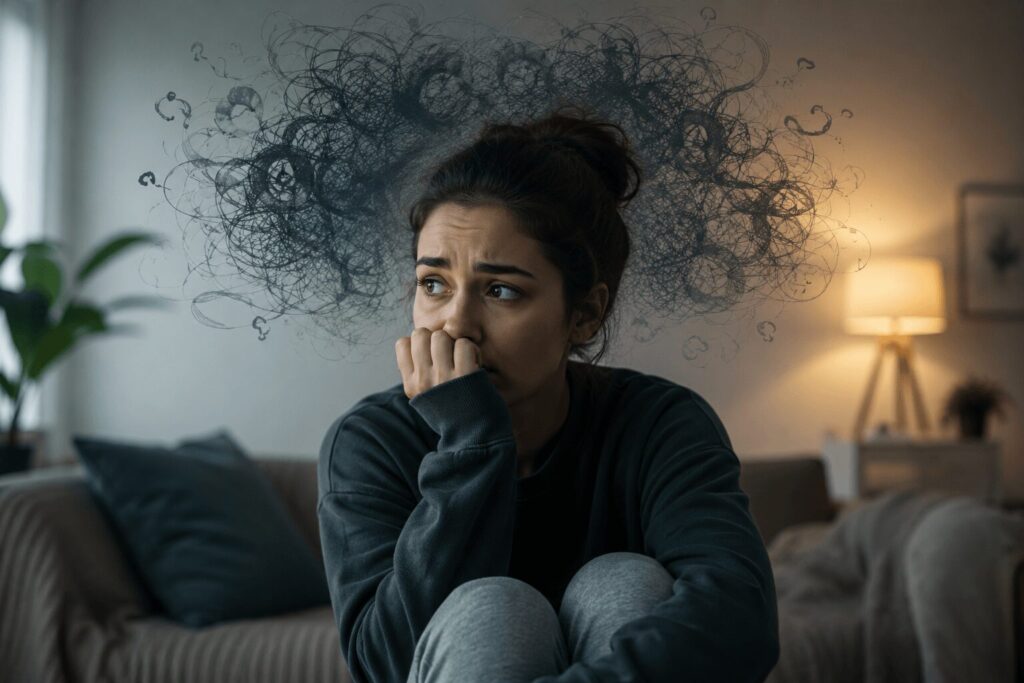
Anxiety is one of the most common mental health conditions in the UK, affecting millions of people every year. While feeling anxious before an exam, job interview, or important life event is completely normal, anxiety becomes a concern when those feelings are persistent, overwhelming, and begin interfering with daily life.
Recognising the early signs of anxiety can help individuals seek support before symptoms become more severe. Early intervention often leads to better outcomes, improved wellbeing, and a faster recovery.
This comprehensive UK guide explains the first signs of anxiety, physical and emotional symptoms, common causes, available treatments, and practical strategies to manage anxiety effectively.
Understanding Anxiety
Anxiety is the body’s natural response to perceived danger or uncertainty. It activates the “fight, flight, or freeze” response, preparing us to deal with stressful situations.
Normally, anxiety disappears once the stressful event passes.
However, anxiety disorders cause excessive worry even when there is little or no real danger. These feelings can last for weeks, months, or even years if left untreated.
What Are the Early Signs of Anxiety?
Many people overlook the earliest symptoms because they often develop gradually.
Some individuals believe they are simply stressed, tired, or overwhelmed at work.
The earliest warning signs often include changes in emotions, thinking, physical health, and behaviour.
Constant Worrying
One of the first indicators is excessive worrying about everyday situations.
People may find themselves constantly thinking about:
- Work performance
- Family responsibilities
- Health concerns
- Money
- Future events
- Social interactions
The worrying often feels difficult to control.
Feeling Restless
Many people experience an inability to relax.
Common signs include:
- Feeling constantly “on edge”
- Difficulty sitting still
- Nervous energy
- Fidgeting
- Feeling tense throughout the day
Difficulty Concentrating
Anxiety can make it hard to focus on simple tasks.
People often notice:
- Forgetfulness
- Difficulty making decisions
- Losing track of conversations
- Reduced productivity
- Trouble reading or studying
Increased Irritability
Early anxiety frequently affects mood.
Individuals may become:
- Easily frustrated
- Short-tempered
- More emotional than usual
- Sensitive to criticism
- Less patient with others
Trouble Sleeping
Sleep problems are among the earliest physical symptoms.
This may include:
- Difficulty falling asleep
- Waking frequently
- Night-time worrying
- Early morning waking
- Feeling tired despite enough sleep
Poor sleep often makes anxiety worse, creating a cycle that becomes difficult to break.
Physical Symptoms of Anxiety
Anxiety affects both the mind and the body.
Many people initially visit their GP because they believe they have a physical illness.
Common physical symptoms include:
Rapid Heartbeat
People often describe:
- Heart racing
- Palpitations
- Feeling their heartbeat strongly
Muscle Tension
Anxiety causes muscles to tighten.
This can lead to:
- Neck pain
- Shoulder tension
- Jaw clenching
- Back pain
- Headaches
Sweating
Unexpected sweating can occur even without physical activity.
Many people notice sweaty palms during stressful situations.
Shaking or Trembling
Some individuals experience:
- Trembling hands
- Shaky voice
- Body trembling
- Feeling physically weak
Shortness of Breath
People may feel:
- Unable to take a deep breath
- Tightness in the chest
- Feeling like they cannot get enough air
These symptoms can sometimes resemble asthma or heart problems.
Digestive Problems
Anxiety commonly affects digestion.
Symptoms include:
- Nausea
- Stomach discomfort
- Diarrhoea
- Constipation
- Loss of appetite
- Irritable bowel symptoms
Fatigue
Constant worrying consumes significant mental energy.
Many individuals report feeling exhausted even after minimal physical activity.
Emotional Signs of Anxiety
Emotional symptoms are often the first changes people notice.
These include:
- Feeling overwhelmed
- Persistent fear
- Constant nervousness
- Sense of impending doom
- Feeling out of control
- Difficulty relaxing
- Loss of confidence
- Increased self-doubt
Behavioural Changes That May Signal Anxiety
People experiencing anxiety often change their daily habits.
These behavioural signs may include:
- Avoiding social situations
- Cancelling plans
- Procrastination
- Seeking reassurance repeatedly
- Checking things excessively
- Avoiding driving or travelling
- Reduced work performance
- Withdrawing from friends
Common Causes of Anxiety
Anxiety usually develops due to multiple factors rather than one single cause.
Stress
Long-term stress from work, university, relationships, or finances is a major trigger.
Genetics
People with a family history of anxiety disorders may have a higher risk.
Health Conditions
Some medical conditions can contribute to anxiety symptoms.
Examples include:
- Thyroid disorders
- Chronic pain
- Heart conditions
- Hormonal changes
Traumatic Experiences
Past trauma may increase the likelihood of developing anxiety.
Examples include:
- Abuse
- Accidents
- Bereavement
- Violence
- Childhood trauma
Lifestyle Factors
Certain habits can worsen anxiety.
These include:
- Too much caffeine
- Lack of sleep
- Poor diet
- Alcohol misuse
- Recreational drugs
- Lack of exercise
Types of Anxiety Disorders
Several anxiety disorders exist.
Generalised Anxiety Disorder (GAD)
Persistent worrying about many aspects of daily life.
Panic Disorder
Repeated panic attacks with intense physical symptoms.
Social Anxiety Disorder
Fear of being judged or embarrassed in social situations.
Health Anxiety
Excessive concern about having serious illnesses.
Phobias
Extreme fear of specific situations or objects.
Obsessive-Compulsive Disorder (OCD)
Repeated unwanted thoughts and compulsive behaviours.
Post-Traumatic Stress Disorder (PTSD)
Anxiety that develops after experiencing traumatic events.
How Anxiety Differs from Everyday Stress
Everyone experiences stress.
The difference is duration and intensity.
| Everyday Stress | Anxiety Disorder |
|---|---|
| Temporary | Long-lasting |
| Linked to a specific event | May occur without clear reason |
| Improves after stress ends | Persists for weeks or months |
| Doesn’t usually affect daily life | Interferes with work, relationships, and wellbeing |
When Should You Seek Professional Help?
If you’re unsure whether your symptoms require professional support, our Mental Health UK Guide 2026 explains how mental health services work in the UK, where to seek help, and the treatment options available.
You should consider speaking to a healthcare professional if anxiety:
- Lasts several weeks
- Affects work or school
- Causes sleep problems
- Leads to panic attacks
- Prevents normal activities
- Causes social withdrawal
- Affects relationships
- Leads to physical symptoms that concern you
Early treatment often prevents symptoms from becoming more severe.
How Anxiety Is Diagnosed in the UK
A GP or mental health professional may ask about:
- Your symptoms
- Medical history
- Family history
- Daily functioning
- Physical health
- Current stress levels
They may also rule out physical conditions with appropriate assessments if needed.
Treatment Options for Anxiety in the UK
Treatment depends on symptom severity.
Cognitive Behavioural Therapy (CBT)
CBT helps identify and change unhelpful thinking patterns.
It is one of the most effective treatments for anxiety.
Talking Therapies
Counselling and psychological therapies provide emotional support and practical coping strategies.
Medication
Some individuals may benefit from medication prescribed by a healthcare professional, particularly when anxiety is moderate to severe.
Medication should always be discussed with a qualified clinician.
Lifestyle Changes
Healthy habits can significantly improve anxiety symptoms.
Recommended lifestyle changes include:
- Regular exercise
- Healthy eating
- Good sleep routine
- Limiting caffeine
- Reducing alcohol
- Spending time outdoors
- Staying socially connected
Practical Ways to Manage Early Anxiety Symptoms
Small daily habits can make a meaningful difference.
Practice Deep Breathing
Slow breathing helps calm the nervous system.
Stay Active
Exercise releases natural mood-improving chemicals.
Keep a Journal
Writing worries down can reduce overthinking.
Follow a Sleep Routine
Go to bed and wake up at consistent times.
Limit News and Social Media
Constant exposure to negative news may increase anxiety.
Practice Mindfulness
Mindfulness encourages focusing on the present moment rather than worrying about the future.
Talk to Someone
Sharing concerns with trusted friends, family, or professionals often reduces emotional pressure.
Anxiety in Children and Teenagers
Young people may experience anxiety differently from adults.
Possible signs include:
- School refusal
- Frequent stomach aches
- Clinginess
- Irritability
- Crying
- Difficulty sleeping
- Avoiding friends
- Declining school performance
Early support can prevent long-term difficulties.
Anxiety in Older Adults
Older adults may experience anxiety related to:
- Health concerns
- Retirement
- Bereavement
- Financial changes
- Loneliness
Symptoms are sometimes mistaken for normal ageing, making early recognition especially important.
Can Anxiety Go Away on Its Own?
Mild anxiety may improve when stressful situations resolve.
However, persistent anxiety often benefits from professional support.
Ignoring symptoms may allow anxiety to become more severe over time.
Seeking help early does not mean your anxiety is “serious”—it simply provides the best opportunity for effective management.
Frequently Asked Questions
What are the first warning signs of anxiety?
Common early signs include constant worrying, restlessness, poor concentration, sleep problems, muscle tension, irritability, and avoiding situations that previously felt manageable.
Can anxiety cause physical symptoms?
Yes. Anxiety commonly causes a racing heart, sweating, shaking, headaches, stomach problems, fatigue, muscle tension, dizziness, and shortness of breath.
Is anxiety different from stress?
Yes. Stress usually relates to a specific challenge and improves once that challenge passes. Anxiety can continue even when there is no obvious reason and often lasts much longer.
When should I see a GP about anxiety?
You should seek professional advice if anxiety lasts several weeks, affects your daily life, causes panic attacks, disrupts sleep, or prevents you from working, studying, or enjoying normal activities.
Can lifestyle changes help anxiety?
Yes. Regular exercise, healthy eating, quality sleep, mindfulness, reducing caffeine, and staying connected with supportive people can all help reduce symptoms.
Is anxiety treatable?
Yes. Most people improve with a combination of psychological therapies, healthy lifestyle changes, and, where appropriate, medication prescribed by a healthcare professional.
Key Takeaways
Recognising the early signs of anxiety is one of the most important steps toward protecting your mental wellbeing. Persistent worry, restlessness, poor sleep, difficulty concentrating, physical tension, and avoidance behaviours should not be ignored, especially if they begin affecting everyday life.
The good news is that anxiety is highly manageable. With early recognition, evidence-based therapies, healthy lifestyle habits, and support from healthcare professionals, many people experience significant improvement and regain confidence in their daily lives.
If you or someone you know is experiencing ongoing anxiety symptoms, reaching out for help early can make recovery easier and improve long-term wellbeing.
Conclusion
Understanding what the early signs of anxiety are empowers individuals to recognise changes before they become overwhelming. Anxiety can affect anyone regardless of age or background, but it is not something that has to be faced alone. By identifying symptoms early, adopting healthy coping strategies, and seeking professional support when needed, people across the UK can take positive steps towards better mental health. Remember that asking for help is a sign of strength, and early action often leads to the best outcomes.