

Introduction
Why am I not losing weight despite eating less? If you have reduced your portion sizes, stopped snacking as often and tried to make healthier food choices but the number on the scales is not changing, it can feel frustrating. However, slow progress does not automatically mean you are doing something wrong.
Weight loss depends on several factors, including your overall calorie intake, physical activity, sleep, stress, medications, hormones and changes in body water. You may also be experiencing a normal weight-loss plateau, where progress slows after an initial period of weight loss.
According to the NHS, sustainable weight management involves balancing calorie intake with energy expenditure, making realistic lifestyle changes and seeking additional support when needed. NHS+1
In this guide, HealthCresto explains why you might not be losing weight despite eating less, what you can do to understand the cause, and when to speak to your GP in the UK.
Quick answer: Why am I not losing weight despite eating less?
You may not be losing weight despite eating less because:
- Your overall calorie intake is higher than you realise.
- Your body needs fewer calories after losing weight.
- Water retention is temporarily hiding fat loss.
- Your daily activity has decreased.
- Stress, poor sleep or hormonal changes are affecting your routine or weight.
- Certain medicines or medical conditions are contributing to weight changes.
- You have reached a temporary weight-loss plateau.
The most useful first step is to review your eating patterns, activity and weight trend over several weeks rather than reacting to a single reading on the scales. If progress remains unclear, a GP or registered dietitian can help assess possible contributing factors.
1. You may be eating more calories than you realise
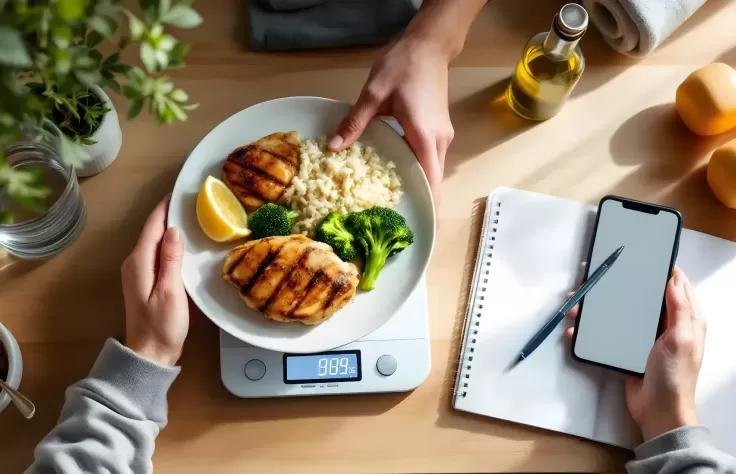
One of the most common explanations for stalled weight loss is that your total energy intake is not as low as you think. This can happen even when you are eating smaller meals and choosing foods that appear healthy.
For example, you might eat a smaller lunch but consume additional calories through drinks, cooking oils, sauces, dressings, snacks or larger evening portions.
This is not about blaming yourself. Estimating food intake is difficult, and portion sizes can be misleading.
Common sources of hidden calories
- Cooking oil, butter and ghee.
- Salad dressings, mayonnaise and sauces.
- Sugary coffee drinks, fruit juices and fizzy drinks.
- Biscuits, nuts and other snacks eaten between meals.
- Alcohol, including drinks consumed at weekends.
- Larger portions of calorie-dense foods such as cheese and takeaway meals.
The NHS recommends understanding calories and checking food and drink intake to support informed weight-management decisions. NHS+1
What can you do?
For a short period, consider keeping a realistic food and drink diary. Record meals, snacks, drinks, cooking ingredients and approximate portions without deliberately changing your normal routine to make the record look better.
You can then identify patterns and make small, manageable adjustments if needed.
Read our related guide: How Many Calories Should I Eat to Lose Weight?
2. You may have reached a weight-loss plateau
A weight-loss plateau happens when your weight stops decreasing despite continuing with your usual weight-management routine.
It is common for weight loss to slow after an initial period of progress. As you lose weight, your body generally requires less energy to maintain its smaller size. Your previous eating and activity routine may therefore create a smaller calorie deficit than it did at the beginning.
Your weight can also fluctuate because of changes in water retention, bowel contents and other normal bodily processes.
Signs you may be experiencing a plateau
- Your average weight has remained similar for several weeks.
- Your previous rate of weight loss has slowed.
- Your eating habits have stayed broadly consistent.
- Your clothes or waist measurements may still be changing even if your weight is not.
A few days without progress is not necessarily a plateau. Look at the longer-term pattern before deciding that your approach has stopped working.
How to approach a plateau safely
- Review your food and drink intake honestly.
- Check whether your daily movement has changed.
- Look at your average weight rather than one reading.
- Review sleep, stress and changes in routine.
- Make modest adjustments rather than adopting a crash diet.
Our guide to weight loss plateaus explains this issue in more detail.
3. Water retention may be masking fat loss
Your weight on the scales reflects more than body fat. It also includes water, food in your digestive system and other tissues.
Consequently, you can make progress with your eating habits while your measured weight temporarily stays the same or increases.
What causes temporary water retention?
- Eating more salt than usual.
- Changes in carbohydrate intake and stored glycogen.
- Hormonal fluctuations during the menstrual cycle.
- Starting a new exercise routine, particularly strength training.
- Constipation.
- Certain medicines or medical conditions.
For example, menstrual-cycle-related changes may cause temporary bloating or weight fluctuations. These changes do not necessarily indicate that you have gained body fat.
How to monitor your progress
If weighing yourself is appropriate for you, use consistent conditions: the same scales, a similar time of day and similar clothing. Some people find weekly measurements more helpful than daily weighing.
You can also monitor how your clothes fit, your energy levels and improvements in strength or fitness.
If you experience persistent or unexplained swelling, especially with breathlessness or sudden weight gain, seek medical advice promptly. Severe breathlessness or chest pain requires emergency assessment.
4. Eating less may have reduced your daily activity
When you reduce your food intake significantly, you may feel more tired or less energetic. You might unconsciously walk less, spend more time sitting or move less throughout the day.
These changes can reduce your total daily energy expenditure, making the calorie deficit smaller than expected.
Exercise is only one part of daily activity. Walking to the shops, climbing stairs, doing household tasks and standing regularly also contribute to your overall movement.
Practical ways to increase activity
- Take short walks during breaks.
- Walk for part of your journey when practical.
- Stand up and move around regularly if you work at a desk.
- Choose activities you enjoy, such as dancing, cycling or swimming.
- Add strength exercises suited to your ability and health.
The NHS recommends building activity into everyday life, while NICE advises individualising physical activity and dietary approaches to suit personal circumstances. NHS+1
You do not need to exercise excessively or compensate for every meal. Consistency and a routine you can maintain are more useful than extreme workouts.
5. Stress and poor sleep may be affecting your progress
Stress and inadequate sleep can make weight management more challenging.
When you are tired or under pressure, you may experience stronger food cravings, less motivation to exercise, changes in meal patterns or difficulty maintaining a routine. Stress can also influence sleep and eating behaviour.
These factors do not mean that stress automatically prevents fat loss. Instead, they can affect the habits and physiological processes that influence your overall weight-management efforts.
What may help?
- Keep a reasonably consistent sleep schedule.
- Build short relaxation breaks into your day.
- Plan simple meals when you are busy.
- Choose enjoyable movement instead of punishing workouts.
- Seek help if anxiety, low mood or ongoing stress is affecting everyday life.
For more information, read HealthCresto’s guide to how stress affects the body.
If you feel exhausted or overwhelmed for an extended period, consider discussing your symptoms with your GP rather than assuming that your weight is the only problem.
6. Hormonal changes or medical conditions may contribute
Sometimes, weight-management difficulties occur alongside a medical condition. However, not losing weight alone does not prove that you have a hormonal imbalance.
A GP can assess your symptoms, medical history and medicines to determine whether further investigation is appropriate.
Underactive thyroid
An underactive thyroid, also called hypothyroidism, occurs when the thyroid gland does not produce enough thyroid hormones.
Possible symptoms include:
- Persistent tiredness.
- Feeling unusually cold.
- Constipation.
- Dry skin or hair changes.
- Unexplained weight gain or difficulty managing weight.
These symptoms can have several causes. A blood test may be needed if your GP suspects a thyroid problem.
Polycystic ovary syndrome (PCOS)
PCOS is a hormonal condition that can affect menstrual cycles, skin and hair growth. Some people with PCOS also experience insulin resistance, which may make weight management more challenging.
Symptoms can include irregular periods, acne, excess facial or body hair and difficulty conceiving.
Learn more in our guide to PCOS symptoms and treatments.
Menopause and perimenopause
During perimenopause and menopause, changes in hormones, sleep, body composition and activity can affect weight management.
Some people notice increased abdominal fat or changes in how their clothes fit, even when their routine has not changed substantially.
Read our guides to perimenopause symptoms and menopause symptoms in the UK.
Type 2 diabetes and insulin resistance
Insulin resistance can be associated with PCOS and type 2 diabetes. It does not, by itself, mean that weight loss is impossible.
If you also experience increased thirst, frequent urination, unusual fatigue or blurred vision, arrange a medical assessment rather than attempting to diagnose yourself.
Our guide to normal blood sugar levels explains more about blood glucose.
7. Your medication may affect your weight
Some prescription medicines can contribute to weight gain, appetite changes, fluid retention or changes in energy levels.
Depending on the medicine, possible examples include certain antidepressants, corticosteroids and some medicines used to manage diabetes or other long-term conditions.
The effects vary considerably between medicines and individuals. Do not stop prescribed treatment or change your dose simply because your weight is not decreasing.
What should you do?
Make a list of your medicines, including non-prescription products, and discuss any concerns with your GP or pharmacist.
They can assess whether a medicine may be contributing to your weight changes and whether a suitable alternative or additional support is available.
If you are using prescribed weight-loss medication, follow the treatment plan and discuss stalled progress or side effects with your prescriber.
Related HealthCresto guides:
- How to get weight-loss injections on the NHS
- Wegovy vs Mounjaro: Which weight-loss jab is right for you?
- Weight-loss Mounjaro side effects in the UK
Weight-loss medicines are not suitable for everyone and should be used with appropriate clinical advice.
8. You may be restricting food too much
Eating less does not always mean eating in a healthier or more sustainable way.
Severely restricting food can leave you short of essential nutrients and cause fatigue, dizziness, constipation or difficulty maintaining everyday activities. It may also make a weight-management plan difficult to sustain.
NICE recommends that very-low-energy diets be used only in appropriate clinical circumstances with specialist support, rather than as a long-term strategy. NICE+1
Why a balanced approach matters
A suitable eating pattern should provide adequate protein, fibre, vitamins, minerals and other nutrients. It should also fit your budget, preferences, medical needs and lifestyle.
Depending on your circumstances, this could include:
- Vegetables and fruit.
- Wholegrain carbohydrates.
- Protein sources such as beans, lentils, eggs, fish or lean meat.
- Appropriate amounts of unsaturated fats.
- Regular meals and sufficient fluids.
You do not need to eliminate carbohydrates or skip meals to lose weight.
Compare different eating approaches in our guide to low-calorie vs low-carb diets in the UK.
If eating less has become difficult to control or you feel anxious or guilty about food, seek support from a healthcare professional. Your physical and mental health both matter.
9. You may be underestimating your progress
It is easy to judge success by a single number on the scales. However, weight can change from day to day even when your overall routine is working.
For example, a person might lose some body fat while temporarily retaining more water. Someone starting strength training may also experience changes in body composition that are not fully reflected by their weight.
Look at more than one measure
Consider tracking:
- Your average weight over several weeks, if weighing is suitable for you.
- Waist measurements taken under consistent conditions.
- Changes in how your clothes fit.
- Strength, stamina and everyday energy.
- Improvements in food choices and activity habits.
These measures are not substitutes for medical assessment when needed, but they can provide a more balanced picture of progress.
If tracking weight or food intake causes distress, you do not have to do it alone. Ask your GP or dietitian about an approach that supports your health without encouraging excessive monitoring.
10. Your weight-loss expectations may need adjusting
Weight loss is rarely perfectly linear. You might see a noticeable change initially, followed by a slower rate of progress.
The NHS advises that many adults who are trying to lose weight can aim for gradual weight loss of around 0.5–1 kg (1–2 lb) per week, although the appropriate rate varies from person to person. NHS+1
This is a general guide, not a target everyone must achieve. A slower rate can still represent progress, and weight loss is not necessarily appropriate for everyone.
Avoid comparing your results with social media posts or another person’s experience. Differences in starting weight, health, medication, activity and circumstances can affect individual outcomes.
How to restart weight loss safely

If your weight has remained stable and you want to understand why, use the following practical steps rather than immediately cutting your food intake further.
Step 1: Review your usual intake
Keep a brief, realistic record of meals, drinks, snacks and cooking ingredients. Look for patterns, not perfection.
Step 2: Check the longer-term trend
Compare measurements taken under similar conditions. Avoid making decisions based on one day’s weight.
Step 3: Make activity manageable
Add walking, regular movement or suitable exercise that fits your current fitness and health.
Step 4: Support sleep and recovery
Aim for a consistent sleep routine and allow time for rest, especially if you are exercising more.
Step 5: Seek personalised advice
If your weight remains unchanged despite consistent efforts, or you have other symptoms, speak to your GP or a registered dietitian.
For additional UK support, explore our guide to the best NHS-approved weight-loss programmes.
You can also read the NHS guide to losing weight for official information on available support and treatment options.
When should you see a GP about not losing weight?
Arrange a routine GP appointment if your weight is not changing despite sustained efforts and you are concerned, particularly if you also have symptoms that could suggest an underlying health problem.
Consider seeking advice if you have:
- Persistent fatigue or unusual weakness.
- Unexplained weight gain or ongoing swelling.
- Changes to your menstrual cycle.
- Increased thirst or frequent urination.
- New symptoms after starting or changing medication.
- Difficulty eating enough or concerns about restrictive eating.
Your GP may review your medical history, diet, activity, sleep and medicines. Depending on your symptoms, they may consider blood tests or other investigations.
You do not need to wait for a particular amount of weight loss or a fixed number of weeks before asking for help if something feels wrong.
If you need help deciding where to seek care, read NHS 111 vs A&E vs GP: Which should you use and when?.
Frequently asked questions
1. Why am I not losing weight despite eating less?
You may be consuming more calories than you realise, moving less during the day, retaining water or experiencing a weight-loss plateau. Hormonal changes, medicines and certain medical conditions can also contribute. Review the longer-term pattern and seek medical advice if the problem persists or you have additional symptoms.
2. Can eating too little stop you from losing weight?
Eating too little does not override the basic relationship between energy intake and energy expenditure. However, severe restriction can reduce energy levels and spontaneous activity, compromise nutrition and make a plan difficult to sustain. Avoid extreme dieting and seek professional advice if you are struggling to eat enough.
3. How long does a weight-loss plateau last?
There is no fixed duration. Short-term fluctuations may last several days, while a genuine plateau can continue for weeks. Review your longer-term trend, food intake and activity rather than making sudden changes after a few days without progress.
4. Can stress cause weight-loss difficulties?
Yes, stress can make weight management more difficult by affecting sleep, appetite, eating habits and activity levels. Its effects vary between individuals. Managing stress can support healthier routines, but persistent weight changes may require a broader assessment.
5. Can an underactive thyroid make weight loss harder?
An underactive thyroid can contribute to weight gain and may make weight management more difficult. Other symptoms can include tiredness, feeling cold and constipation. A GP can assess whether thyroid testing is appropriate.
6. Can PCOS make it harder to lose weight?
PCOS can be associated with insulin resistance and metabolic changes that may complicate weight management for some people. However, experiences vary. A healthcare professional can help with diagnosis and an individualised management plan.
7. Why does my weight fluctuate even when I eat the same food?
Your weight can change because of water retention, salt and carbohydrate intake, menstrual-cycle changes, bowel contents and exercise-related changes. These fluctuations do not necessarily represent changes in body fat.
8. Should I cut my calories further if I am not losing weight?
Not automatically. First review your intake, activity and longer-term progress. Excessive restriction can be harmful. If you have been consistent but are not seeing changes, seek advice from a GP or registered dietitian before making substantial reductions.
9. Can medication prevent weight loss?
Some medicines can influence appetite, fluid retention or body weight. The effect depends on the medicine and individual circumstances. Ask your GP or pharmacist to review your treatment, and never stop prescribed medication without appropriate advice.
10. When should I seek medical help for unexplained weight changes?
Speak to your GP if weight changes persist, you are concerned or you have symptoms such as unusual fatigue, menstrual changes or increased thirst. Sudden swelling accompanied by breathlessness or chest pain requires urgent assessment; severe breathlessness or chest pain warrants emergency help.
Conclusion
Not losing weight despite eating less can have several explanations, and the scales do not always show the complete picture. Your overall calorie intake, daily activity, water balance, sleep, stress, medication and health conditions may all play a role.
Start by reviewing your routine without blaming yourself or resorting to extreme restriction. Focus on balanced nutrition, sustainable activity and progress over time. If your weight remains unchanged despite consistent efforts, or you have other symptoms, your GP can help identify possible causes and discuss appropriate support.