
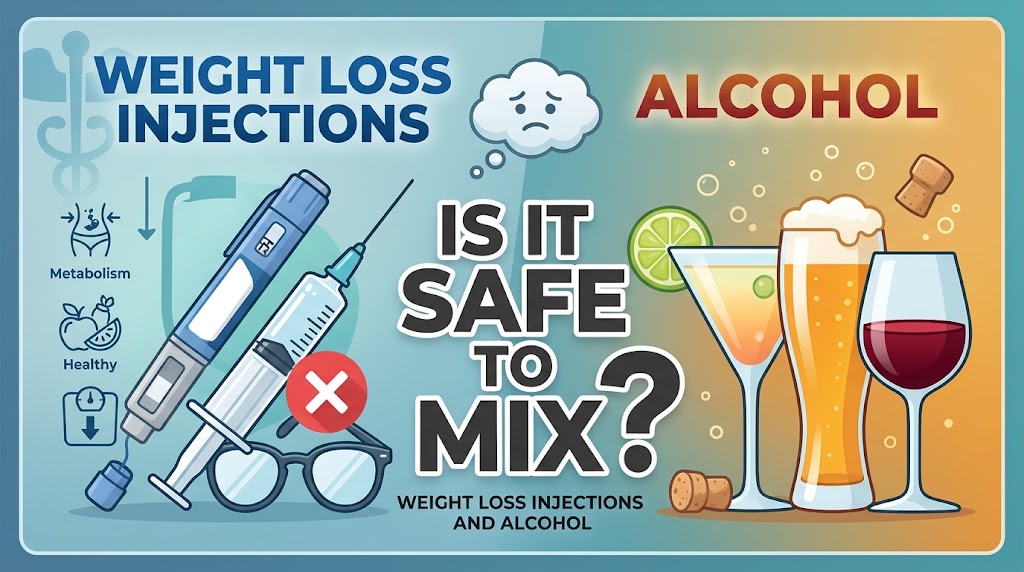
Weight loss injections and alcohol are a common concern for people using medications such as Mounjaro (tirzepatide), Wegovy (semaglutide) and other GLP-1 treatments. Although alcohol is not automatically prohibited with every weight-loss injection, combining the two can increase unpleasant side effects, affect blood sugar levels and make it harder to maintain healthy weight-loss habits.
If you are taking weight-loss injections in the UK, understanding how alcohol affects your body is important. These medications work by reducing appetite, slowing stomach emptying and helping you feel fuller for longer. Alcohol can make nausea, vomiting, dizziness and dehydration worse, particularly when you have recently started treatment or increased your dose.
So, can you enjoy an occasional drink while taking weight-loss injections, or is it better to avoid alcohol completely?
The answer depends on the medication you use, your medical history, how well you tolerate treatment and whether you take other medicines for diabetes. In this guide, we explain the risks, possible side effects, practical precautions and NHS advice to help you make informed decisions.
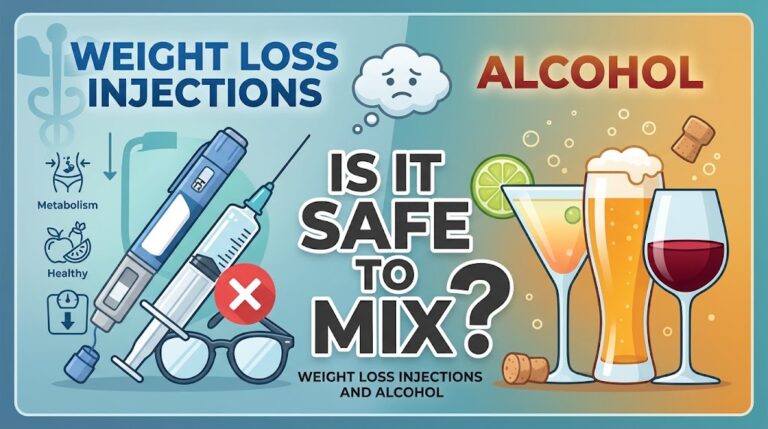
Suggested featured image: Weight Loss Injections and Alcohol. Use the generated featured visual above. Suggested alt text: Weight loss injection pen, healthy meal, water and a glass of wine.
1. Can You Drink Alcohol While Taking Weight Loss Injections?
Yes, but avoiding alcohol is generally the safer option while taking weight-loss injections. The NHS advises people using semaglutide and tirzepatide to avoid alcohol because it can increase nausea and vomiting.
There is an important difference between an absolute medicine interaction and an increased risk of side effects.
Alcohol is not listed as an absolute contraindication for everyone taking these medicines. However, that does not mean mixing them is risk-free.
When considering weight loss injections and alcohol, it is important to understand three things:
- Alcohol may worsen existing digestive side effects.
- Drinking can increase the risk of dehydration, especially if you experience vomiting or diarrhoea.
- Alcohol can affect blood glucose levels, particularly if you also take insulin or certain diabetes medicines.
The safest choice is to discuss drinking with your prescribing clinician or pharmacist, particularly if you are new to treatment.
According to the NHS medicine guidance, both semaglutide and tirzepatide users should ideally avoid alcohol because of its potential to worsen gastrointestinal symptoms.
Sources:
2. How Do Weight Loss Injections Work?
Before understanding the relationship between weight loss injections and alcohol, it helps to know how these medications affect the body.
Most modern injectable weight-management medicines work by influencing hormones involved in appetite, digestion and blood glucose regulation.
They can help you:
- Feel fuller after eating.
- Experience reduced hunger.
- Control food cravings.
- Reduce overall calorie intake.
- Improve blood glucose regulation in appropriate patients.
- Achieve clinically meaningful weight loss when combined with lifestyle changes.
Some medicines belong to a group called GLP-1 receptor agonists, while tirzepatide acts on both GIP and GLP-1 receptors.
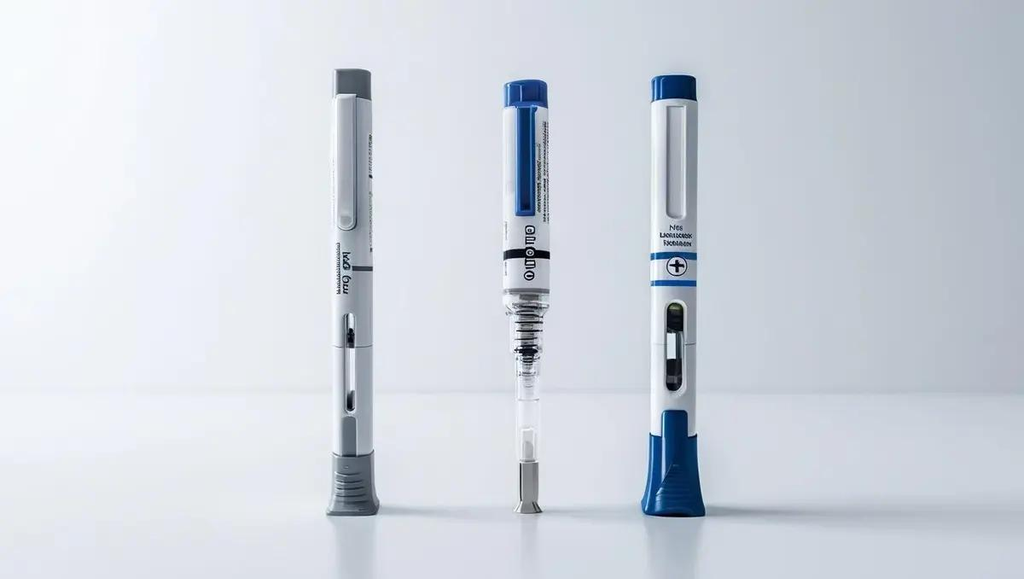
Common weight-loss injections available in the UK
| Medication | Active ingredient | Main action |
|---|---|---|
| Wegovy | Semaglutide | GLP-1 receptor agonist |
| Ozempic | Semaglutide | GLP-1 receptor agonist, licensed for type 2 diabetes |
| Mounjaro | Tirzepatide | GIP and GLP-1 receptor agonist |
| Saxenda | Liraglutide | GLP-1 receptor agonist |
These medicines have different approved indications and prescribing criteria. Not every diabetes medicine is licensed as a weight-loss treatment.
You can also read our guides to Wegovy vs Mounjaro and Ozempic in the UK.
3. Why Can Alcohol Cause Problems With Weight Loss Injections?
The relationship between weight loss injections and alcohol is mainly about overlapping side effects and how both affect your body.
Here are the main concerns.
3.1 Increased nausea and vomiting
Nausea is one of the most common side effects of GLP-1-based treatments.
These medications slow stomach emptying, which means food stays in the stomach for longer. Alcohol can irritate the digestive system and may make existing nausea worse.
You might experience:
- Feeling sick after drinking.
- Vomiting.
- Stomach discomfort.
- Bloating.
- Acid reflux.
- Reduced appetite.
For some people, even a small amount of alcohol can make these symptoms more noticeable.
If you are already experiencing nausea, it is sensible to avoid alcohol rather than risk making yourself feel worse.
3.2 Increased risk of dehydration
Dehydration is another important concern when discussing weight loss injections and alcohol.
Weight-loss medicines can cause vomiting and diarrhoea. These symptoms reduce the amount of fluid your body retains.
Alcohol can also contribute to dehydration, particularly when consumed in larger quantities.
Combining alcohol with ongoing digestive symptoms can therefore make dehydration more likely.
Signs of dehydration include:
- Dry mouth and lips.
- Dark yellow urine.
- Feeling unusually thirsty.
- Headaches.
- Dizziness.
- Tiredness.
- Passing urine less frequently.
Severe dehydration can affect kidney function and may require medical treatment.
Practical advice: Drink water regularly throughout the day. If you are vomiting or experiencing diarrhoea, seek advice from a healthcare professional about replacing lost fluids and electrolytes.
The MHRA highlights dehydration as a potentially serious complication of gastrointestinal side effects associated with GLP-1 medicines.
Source: MHRA: GLP-1 medicines and potential side effects.
3.3 Blood sugar fluctuations
People using weight-loss injections for type 2 diabetes should take particular care.
Alcohol can interfere with the liver’s ability to maintain blood glucose levels. This can increase the risk of hypoglycaemia (low blood sugar), especially in people taking insulin or sulphonylurea medicines such as gliclazide.
Symptoms of low blood sugar include:
- Sweating.
- Shaking or trembling.
- Dizziness.
- Sudden hunger.
- Confusion.
- Heart palpitations.
- Difficulty concentrating.
These symptoms can sometimes be mistaken for the effects of alcohol.
The risk is particularly important if you drink without eating or skip meals because your appetite has decreased.
If you have diabetes, ask your diabetes team whether you need additional blood glucose monitoring or specific precautions before drinking.
Read our guide to normal blood sugar levels for more information.
3.4 Increased stomach discomfort
Some people experience indigestion, reflux, constipation or diarrhoea while taking injectable weight-management medicines.
Alcohol may aggravate these symptoms.
For example, drinking after a large or fatty meal may leave you feeling particularly uncomfortable because the medication already slows stomach emptying.
If you regularly experience digestive problems, avoiding alcohol may make your treatment more manageable.
3.5 Possible complications involving the pancreas
Acute pancreatitis is a recognised but uncommon potential adverse effect of GLP-1 and GIP/GLP-1 medicines.
Heavy alcohol consumption is also an established cause of pancreatitis.
This does not mean that one alcoholic drink while taking an injection will cause pancreatitis. However, people should understand the potential risks, particularly if they have previously experienced pancreatic inflammation or have other risk factors.
The MHRA strengthened warnings in January 2026 about rare reports of severe, necrotising and fatal pancreatitis associated with these medicines.
Warning signs include:
- Severe and persistent abdominal pain.
- Pain spreading towards the back.
- Nausea and vomiting alongside abdominal pain.
Urgent medical warning
If you develop severe, persistent abdominal pain while taking these medicines, seek urgent medical attention. Do not take another dose if pancreatitis is suspected until you have received medical advice. If pancreatitis is confirmed, the medicine should not be restarted.
Source: MHRA: Strengthened pancreatitis warnings, January 2026.
4. Can You Drink Alcohol With Mounjaro, Wegovy and Ozempic?
Not all weight-loss injections have identical prescribing information. Here is what you should know about the most commonly discussed medicines.
Mounjaro (Tirzepatide) and alcohol
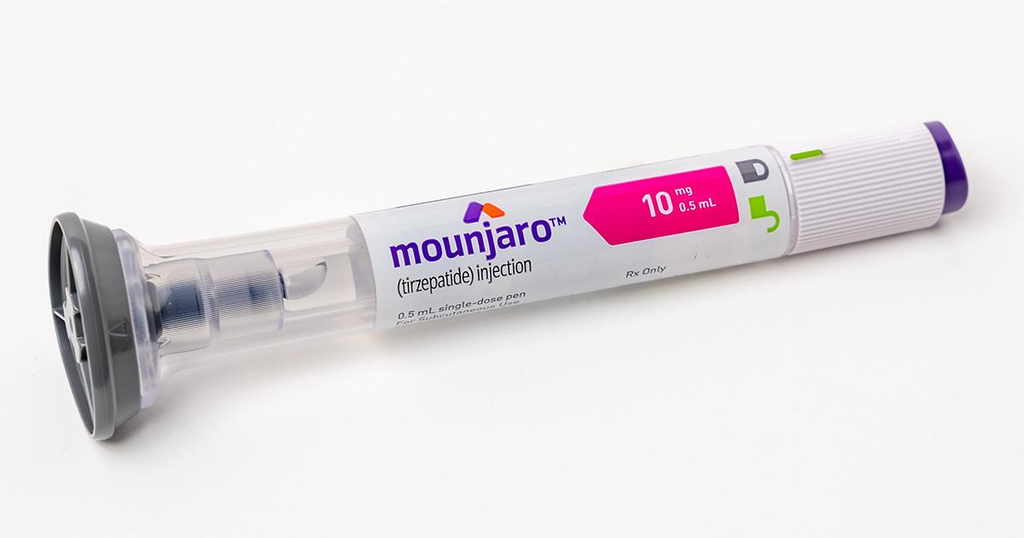
Mounjaro contains tirzepatide and acts on two hormone receptors involved in appetite and blood glucose regulation.
The NHS advises avoiding alcohol while using tirzepatide because it can increase nausea and vomiting.
Combining Mounjaro and alcohol may be particularly uncomfortable if you:
- Have recently started treatment.
- Have increased your weekly dose.
- Experience frequent nausea.
- Have vomiting or diarrhoea.
- Have diabetes and take additional glucose-lowering medication.
If you are considering drinking during treatment, speak to your prescriber first.
Read our detailed Mounjaro side effects guide.
Wegovy (Semaglutide) and alcohol
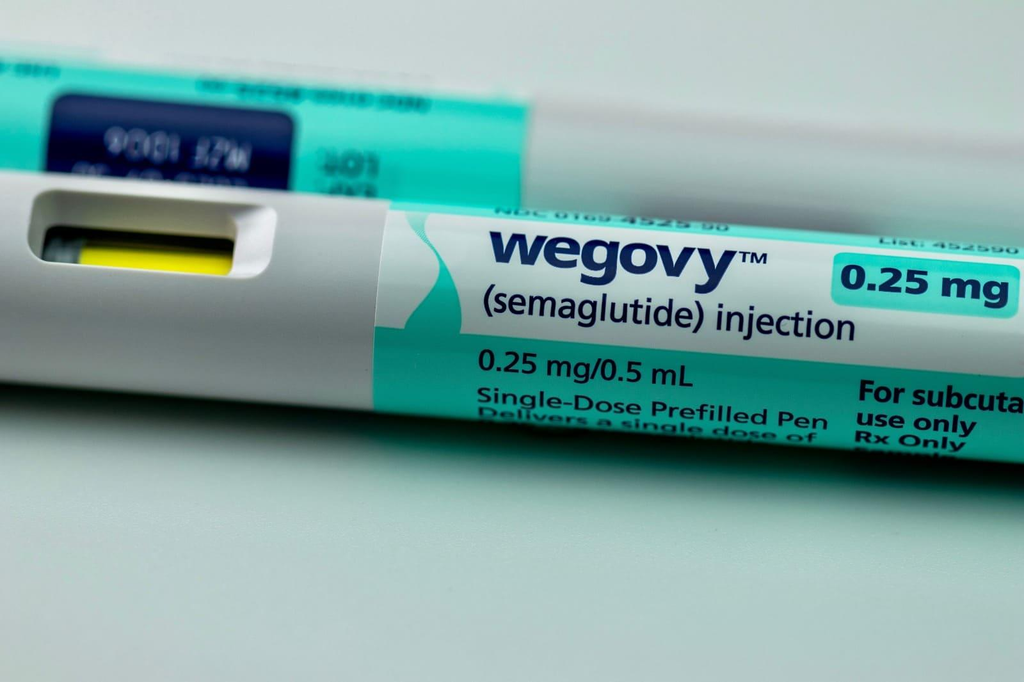
Wegovy contains semaglutide, which helps regulate appetite and slows stomach emptying.
The NHS also recommends avoiding alcohol while taking semaglutide because drinking may increase nausea and vomiting.
People who experience significant digestive side effects should be particularly cautious.
Another important consideration is hydration. If you drink alcohol while experiencing vomiting or diarrhoea, your risk of fluid loss may increase.
Read our guide to how much weight you can lose on Ozempic for related information about semaglutide-based treatment.
Ozempic and alcohol
Ozempic also contains semaglutide, but it is licensed for managing type 2 diabetes rather than routine weight management in the UK.
People using Ozempic should follow their diabetes treatment plan and discuss alcohol consumption with their healthcare professional.
The combination deserves particular attention if you also use insulin or sulphonylureas, as these medicines can increase the risk of low blood glucose.
Do not change your Ozempic dose or skip prescribed medication simply because you intend to drink alcohol.
Saxenda (Liraglutide) and alcohol
Saxenda contains liraglutide and is another injectable medicine used for weight management.
It can cause nausea, vomiting and other gastrointestinal symptoms.
Although individual advice depends on your prescription and health history, alcohol may make digestive discomfort worse.
Check the patient information leaflet supplied with your medicine and ask your pharmacist about your personal circumstances.
5. Does Alcohol Affect Weight-Loss Results?
Yes, alcohol can make weight management more difficult, even when you are using prescription weight-loss injections.
One reason is that alcoholic drinks contain calories, but they generally provide little nutritional value.
For example:
| Alcoholic drink | Approximate calories |
|---|---|
| Small glass of wine | 100–120 kcal |
| Pint of lager | 180–250 kcal |
| Single spirit with a sugar-free mixer | 55–65 kcal |
| Large glass of wine | 180–220 kcal |
| Sweet cocktail | 200–400+ kcal |
Actual calorie content varies according to serving size, alcohol strength and ingredients.
Why drinking may slow your progress
There are several ways alcohol can affect your weight-loss journey:
Extra calorie intake: Alcohol adds calories to your daily intake, making it harder to maintain a calorie deficit.
Increased food cravings: Some people feel hungrier after drinking and may choose high-calorie snacks or takeaway meals.
Reduced dietary control: Alcohol can affect decision-making, making it harder to maintain healthy eating habits.
Poor sleep quality: Drinking can disrupt sleep, which may affect energy levels and appetite regulation.
Reduced motivation: Feeling tired or experiencing a hangover may make it harder to exercise and follow your usual routine.
If you want to improve your results, consider reducing alcohol consumption alongside your prescribed medication and lifestyle changes.
You may also find our guides useful:
- Protein intake for weight loss
- How many calories should I eat to lose weight?
- Why am I not losing weight?
6. Is It Safe to Drink Alcohol During the First Few Weeks of Treatment?
The first few weeks of treatment are an important adjustment period.
Your body needs time to respond to the medication, and your prescriber may gradually increase your dose according to the treatment schedule.
During this period, you may experience:
- Nausea.
- Reduced appetite.
- Vomiting.
- Constipation.
- Diarrhoea.
- Stomach discomfort.
This is why avoiding alcohol is particularly sensible when starting treatment.
The same precaution applies after a dose increase, when digestive side effects may become more noticeable.
If you are experiencing symptoms, wait until they have settled and seek advice from your prescriber before considering alcohol again.
There is no universally established waiting period after an injection that makes drinking safe. Skipping or delaying an injection to accommodate alcohol is not a recommended solution.
7. What Should You Do If You Accidentally Drink Alcohol While Taking Weight Loss Injections?
If you have consumed alcohol while taking weight-loss injections, try not to panic.
A small amount does not automatically mean you will experience a serious reaction.
However, pay attention to how you feel.
Consider these steps:
- Stop drinking alcohol rather than continuing to consume more.
- Drink water regularly if you can tolerate fluids.
- Eat a balanced meal if you are able to eat normally.
- Avoid strenuous exercise if you feel dizzy or unwell.
- Monitor your symptoms, especially if you have diabetes.
- Contact your pharmacist or prescriber if you experience persistent or concerning side effects.
If you develop severe abdominal pain, repeated vomiting, confusion, fainting or symptoms of significant dehydration, seek urgent medical help.
For suspected severe hypoglycaemia, follow your diabetes team’s emergency advice. If someone becomes unconscious or has a seizure, call 999 and do not give them food or drink by mouth.
Remember, weight loss injections and alcohol affect people differently. Your medical history and other medications can significantly change your individual risk.
8. How to Reduce the Risks of Alcohol While Taking Weight Loss Injections
If you are considering alcohol during treatment, the best approach is to prioritise your health and follow personalised medical advice.
These practical steps can help you make safer decisions.
1. Consider avoiding alcohol altogether
The NHS recommends avoiding alcohol with semaglutide and tirzepatide because of the potential for increased nausea and vomiting.
Choosing alcohol-free drinks is the simplest way to avoid this additional risk.
2. Avoid drinking on an empty stomach
If you have diabetes, drinking without eating can increase the risk of low blood glucose, particularly if you take insulin or certain diabetes tablets.
Do not skip meals to compensate for alcoholic drinks or reduce your calorie intake.
3. Stay hydrated
Drink water regularly throughout the day, especially if you experience digestive side effects.
If you are struggling to keep fluids down, contact a healthcare professional rather than relying on home hydration alone.
4. Avoid binge drinking
Heavy drinking can increase the risk of dehydration, accidents, vomiting and other alcohol-related complications.
The UK Chief Medical Officers advise adults who drink regularly to consume no more than 14 units per week, spread across at least three days. This is a lower-risk drinking guideline, not a safe limit for combining alcohol with medication.
5. Monitor your blood glucose if you have diabetes
If your treatment includes insulin or sulphonylurea medication, ask your diabetes team about monitoring requirements and precautions.
6. Do not adjust your medication yourself
Never skip, delay or increase your injection dose to make room for drinking.
If you experience side effects, contact your prescribing clinician for advice.
7. Check your other medications
Alcohol may interact with other medicines you take, even when there is no established direct interaction with your weight-loss injection.
Ask your pharmacist to review your medication list.
9. Who Should Avoid Alcohol Completely During Treatment?
Some people should be especially cautious about weight loss injections and alcohol.
Avoid drinking and seek individual medical advice if you:
- Have ongoing nausea, vomiting or diarrhoea.
- Have a history of pancreatitis.
- Have experienced severe dehydration.
- Have poorly controlled diabetes or recurrent hypoglycaemia.
- Have significant liver or kidney problems.
- Take insulin or medicines that can cause low blood glucose.
- Are pregnant or trying to become pregnant.
- Have been advised by your healthcare professional to avoid alcohol.
People with a history of alcohol dependence should also discuss treatment with their healthcare team, particularly if drinking has affected their nutritional intake or general health.
If you are using medication for weight management, your prescriber should understand your medical history before recommending an appropriate treatment plan.
10. Can You Drink Non-Alcoholic Beer or Wine Instead?
Non-alcoholic drinks may be an alternative if you want to avoid alcohol during treatment.
However, check the label carefully.
Some products labelled alcohol-free contain very small amounts of alcohol, while others contain none. In the UK, drinks labelled alcohol-free generally contain no more than 0.05% alcohol by volume, whereas non-alcoholic products can contain up to 0.5%.
Consider these alternatives:
- Alcohol-free beer.
- Alcohol-free sparkling wine.
- Sugar-free sparkling water.
- Fresh water with lemon or cucumber.
- Unsweetened iced tea.
- Sugar-free mocktails.
If you have diabetes, check the carbohydrate and sugar content of alcohol-free alternatives.
Remember that avoiding alcohol does not automatically make a drink low in calories.
11. Does Alcohol Increase the Risk of Mounjaro or Wegovy Side Effects?
It may make certain side effects more noticeable, although the exact response differs between individuals.
The main concerns when discussing weight loss injections and alcohol are overlapping gastrointestinal symptoms and the possibility of dehydration.
| Possible side effect | How alcohol may contribute |
|---|---|
| Nausea | May make existing nausea worse |
| Vomiting | Can aggravate digestive discomfort |
| Dehydration | Can compound fluid loss from vomiting or diarrhoea |
| Dizziness | May increase light-headedness |
| Low blood sugar | Particularly concerning with insulin or sulphonylureas |
| Stomach discomfort | May aggravate indigestion or reflux |
It is important not to assume that every symptom after drinking is caused by an interaction with your injection.
Severe or persistent symptoms need appropriate medical assessment.
12. What Does NHS Guidance Say About Weight Loss Injections and Alcohol?
The NHS provides specific advice for people taking semaglutide and tirzepatide.
Its guidance recommends avoiding alcohol because it can increase nausea and vomiting.
The MHRA also advises patients and healthcare professionals to be aware of potentially serious side effects associated with GLP-1 medicines, including dehydration and acute pancreatitis.
In January 2026, the MHRA strengthened warnings about rare cases of severe pancreatitis, including necrotising and fatal cases.
For people considering weight-loss treatment through the NHS, medication should be prescribed and monitored by an appropriately qualified healthcare professional.
You can explore these related HealthCresto resources:
- How to get weight-loss injections on the NHS
- Best NHS-approved weight-loss programmes
- Bariatric surgery on the NHS
- NHS 111 vs A&E vs GP
For official information, consult:
- NHS semaglutide guidance
- NHS tirzepatide guidance
- MHRA GLP-1 medicine safety guidance
- NHS alcohol units and drinking guidance
13. Does Alcohol Affect Your Appetite While Using Weight-Loss Medication?
Yes, alcohol can influence eating behaviour and make it more difficult to maintain healthy habits.
Although weight-loss injections help regulate appetite, they do not completely eliminate hunger or prevent emotional eating.
Alcohol may:
- Reduce your ability to make balanced food choices.
- Encourage late-night snacking.
- Increase cravings for high-calorie foods.
- Disrupt sleep and appetite regulation.
- Make it harder to maintain a consistent eating routine.
For people who use food to manage stress or difficult emotions, drinking may also encourage unhealthy eating patterns.
Our guide to emotional eating and how to manage it provides additional information about developing healthier habits.
14. Frequently Asked Questions About Weight Loss Injections and Alcohol
These answers address common questions people search for when researching weight loss injections and alcohol in the UK.
1. Can I drink alcohol while taking Mounjaro?
The NHS advises avoiding alcohol while taking Mounjaro (tirzepatide) because it can increase nausea and vomiting. Your individual risk also depends on your medical history and other medications.
2. Can I drink alcohol while taking Wegovy?
The NHS recommends avoiding alcohol with Wegovy (semaglutide), as drinking may worsen nausea and vomiting. Speak to your prescriber if you have questions about occasional alcohol consumption.
3. Can I drink alcohol while taking Ozempic?
Alcohol is not automatically prohibited for everyone using Ozempic, but it can increase digestive discomfort and affect blood glucose levels. People with diabetes who also use insulin or sulphonylureas should take particular care.
4. Does alcohol stop weight-loss injections from working?
Alcohol does not necessarily stop the medication from working. However, its calories, effects on appetite and impact on eating habits may make weight management more difficult.
5. Can alcohol cause nausea with weight-loss injections?
Yes. Both alcohol and weight-loss injections can contribute to nausea and vomiting. Combining them may make existing digestive symptoms worse.
6. Can I drink wine while taking Mounjaro?
The NHS recommends avoiding alcohol while taking tirzepatide, including wine. If you are considering drinking, discuss your circumstances with your prescriber or pharmacist.
7. Can alcohol cause low blood sugar with weight-loss injections?
Alcohol can lower blood glucose, particularly in people taking insulin or sulphonylureas. The risk depends on your diabetes treatment, food intake and drinking habits.
8. Should I skip my weight-loss injection if I plan to drink?
No. Do not skip, delay or change your prescribed dose to accommodate alcohol. Follow your treatment schedule unless your healthcare professional advises otherwise.
9. Is alcohol-free beer safe with weight-loss injections?
Alcohol-free beer may be a useful alternative, but check its alcohol, sugar and calorie content. If you have diabetes, consider its carbohydrate content too.
10. Can drinking alcohol cause pancreatitis while taking weight-loss injections?
Heavy alcohol consumption is an established risk factor for pancreatitis, while GLP-1 medicines also carry a recognised, uncommon risk of this condition. The combined individual risk is not clearly established. Seek urgent medical attention for severe, persistent abdominal pain, particularly if it spreads to your back.
11. How long should I wait after a weight-loss injection before drinking alcohol?
There is no established number of hours after an injection that guarantees alcohol is safe. The NHS advises avoiding alcohol with semaglutide and tirzepatide rather than relying on a waiting period.
12. Does alcohol make Mounjaro or Wegovy side effects worse?
It can. Alcohol may aggravate nausea, vomiting and other digestive symptoms. The effect varies between individuals.
13. Is it better to stop drinking completely while losing weight?
Avoiding alcohol can make it easier to manage calorie intake and reduce the risk of alcohol-related side effects. Whether complete abstinence is necessary for your individual treatment should be discussed with your healthcare professional.
15. Conclusion: Should You Mix Weight Loss Injections and Alcohol?
Weight loss injections and alcohol are not an ideal combination, particularly for people who experience nausea, vomiting, dehydration or blood glucose fluctuations during treatment.
Although drinking alcohol is not automatically prohibited for every person using these medicines, the NHS recommends avoiding it with semaglutide and tirzepatide because it can worsen gastrointestinal side effects.
If you are serious about achieving sustainable weight loss, prioritising hydration, balanced nutrition, regular physical activity and consistent medication use is more beneficial than taking unnecessary risks with alcohol.
Remember that Mounjaro, Wegovy, Ozempic and other injectable medicines have different licensed uses and individual precautions. Always follow your prescription and seek advice from your GP, pharmacist or specialist before making changes to your treatment.