

Losing weight is not just about eating fewer calories. Protein intake for weight loss also matters because protein helps maintain muscle, supports normal body functions and can help you feel fuller for longer. But how much protein do you actually need each day to lose weight effectively?
Whether you are following a calorie-controlled diet, exercising regularly or trying to manage your weight with a healthier eating routine, getting enough protein can make a difference. However, eating excessive amounts of protein does not automatically mean you will lose more body fat.
In this guide, we explain how much protein you need for weight loss, which foods provide the best sources, how to calculate your daily requirements and how to include protein in a balanced UK diet.
What Is Protein and Why Does Your Body Need It?
Protein is an essential macronutrient that your body needs for growth, repair and maintenance. It is made up of smaller building blocks called amino acids, which help your body maintain muscles, repair tissues and produce important enzymes and hormones.
Protein also plays an important role in:
- Maintaining muscle mass and strength.
- Supporting the immune system.
- Repairing body tissues after exercise.
- Producing enzymes and hormones.
- Supporting healthy skin, hair and nails.
- Helping you feel satisfied after meals.
When you reduce your calorie intake to lose weight, getting enough protein becomes particularly important because your body may lose some muscle alongside body fat.
A balanced diet containing adequate protein, combined with regular physical activity and resistance training, can help protect muscle while you work towards your weight-loss goals.
How Much Protein Do You Need for Weight Loss?
The amount of protein you need depends on your body weight, age, activity level, health conditions and overall dietary requirements.
In the UK, the general adult Reference Nutrient Intake (RNI) for protein is approximately 0.75 grams per kilogram of body weight per day.
For example:
| Body weight | General daily protein requirement |
|---|---|
| 50 kg | 38 g |
| 60 kg | 45 g |
| 70 kg | 53 g |
| 75 kg | 56 g |
| 80 kg | 60 g |
| 90 kg | 68 g |
These figures represent general population reference requirements, not a specific weight-loss target.
Some research suggests that moderately higher protein intakes, often around 1.2–1.6 g per kg of body weight daily, may help support fullness and muscle retention during weight loss, particularly when combined with resistance exercise.
However, this is not a universal NHS recommendation or a requirement for everyone.
Important: If you are living with obesity, calculating protein needs using your current body weight may produce an unnecessarily high target. A dietitian can help establish an appropriate target based on your individual circumstances.
2. Best high-protein foods for weight loss
Choosing protein-rich foods that also provide vitamins, minerals and fibre can help you build a healthier eating routine.
You do not need expensive supplements or specialist foods. Many everyday foods available in UK supermarkets provide good amounts of protein.

1. Chicken breast
Around 30–32g protein per 100g
A lean protein source that works well in salads, wraps and balanced meals.

2. Eggs
About 6–7g per medium egg
An affordable and versatile option for breakfast, lunch or snacks.
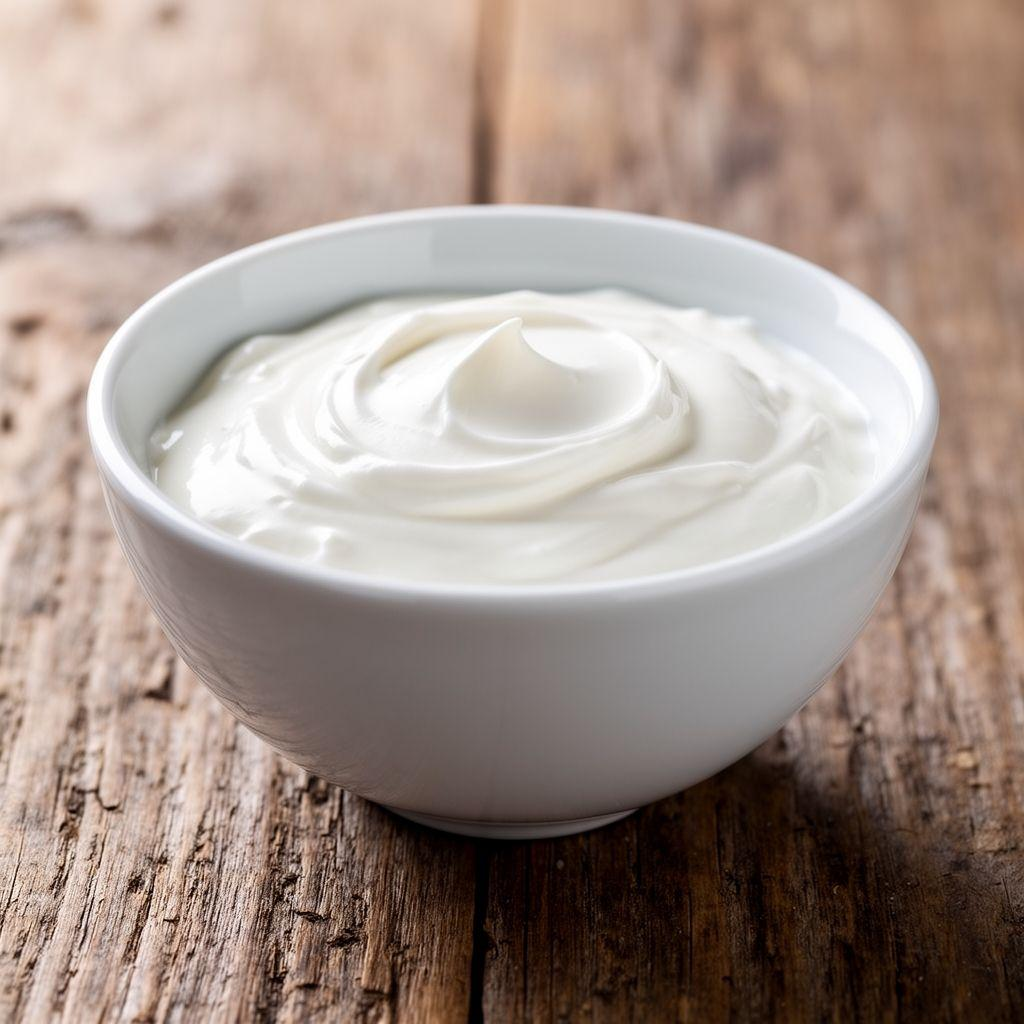
3. Greek-style yoghurt
Protein varies by product
A convenient option for breakfast or snacks. Check the nutritional label because protein levels differ between brands and varieties.

4. Salmon and other fish
Around 20–25g per 100g
Fish provides protein, while oily fish such as salmon also supplies omega-3 fats.
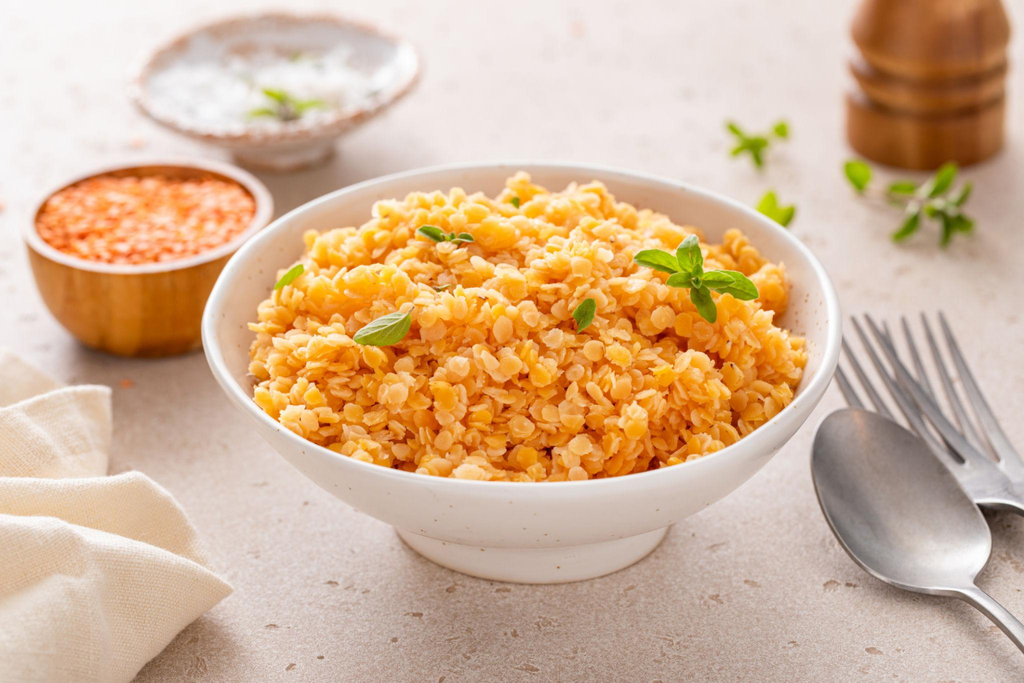
5. Lentils
Around 7–8g per 100g cooked
An excellent plant-based option that also provides fibre, making it useful for filling meals.

6. Chickpeas and beans
Around 7g per 100g
Useful in curries, salads, soups and homemade meals.

7. Tofu
Around 8–13g per 100g
A versatile vegetarian and vegan protein source. Protein content varies with the type and preparation.

8. Cottage cheese
Around 10–12g per 100g
A convenient option for sandwiches, salads and snacks.
Protein figures are approximate and vary with serving size, preparation and product. Check food labels for accurate amounts. British Nutrition Foundation+1
3. Does Eating More Protein Help You Lose Weight?
Yes, eating an appropriate amount of protein can support weight management, but it is not a direct fat-burning solution.
There are several reasons why protein can be helpful.
Helps you feel fuller for longer
Protein can increase feelings of fullness after eating. This may make it easier to manage hunger and avoid unnecessary snacking between meals.
For people who struggle with frequent hunger during a calorie-controlled diet, including protein in meals can be a useful strategy.
Helps preserve muscle during weight loss
When you lose weight, your body can lose both fat and lean tissue.
Getting enough protein, particularly alongside resistance exercise, can help preserve muscle mass while reducing body fat.
This is important because maintaining muscle supports strength, mobility and physical function.
Supports muscle recovery after exercise
Exercise, especially resistance training, places demands on your muscles.
Protein provides amino acids that help repair and maintain muscle tissue after physical activity.
Combining adequate protein with strength exercises can support better body composition during a weight-loss programme.
Helps you build a balanced eating routine
Protein foods can be included in different meals throughout the day.
For example, you could have eggs at breakfast, lentils at lunch and grilled fish at dinner.
This approach makes it easier to meet your nutritional requirements without depending on supplements.
However, protein still contains calories. Eating more than your body needs can contribute to excess calorie intake.
4. How to Calculate Your Daily Protein Intake
Calculating your protein intake starts with understanding your body weight and nutritional needs.
The general UK adult recommendation is 0.75g per kilogram of body weight daily.
Example calculation:
If you weigh 70kg:
70 × 0.75 = 52.5g of protein per day.
This gives you a general reference requirement, not necessarily your ideal target during weight loss.
If you are physically active, older, following a calorie-restricted diet or trying to maintain muscle, your requirements may differ.
Protein intake calculator
Use this simple calculator to estimate the general UK adult reference requirement.
Calculate your general daily protein referenceEnter your body weightWeight unit
Kilograms (kg)Pounds (lb)
Estimated general adult reference intake
53g per day
Based on 0.75g per kg of body weight. This is not an individual weight-loss prescription.
This estimate is intended for general educational use in adults. People with obesity may need an adjusted calculation rather than using their current weight directly.
If you are unsure how much protein you need, speak with a registered dietitian who can consider your health, activity level and weight-management goals.
5. How to Include More Protein in Your Daily Diet
You do not need to change your entire eating routine to increase your protein intake.
A few practical adjustments can help you include protein in everyday meals.
At breakfast:
- Choose boiled or scrambled eggs.
- Add plain Greek-style yoghurt to porridge.
- Include milk or fortified soya milk with breakfast.
At lunchtime:
- Add chicken or tuna to a wholemeal sandwich.
- Prepare a lentil or chickpea salad.
- Include beans in homemade soups.
At dinner:
- Choose grilled fish or skinless chicken.
- Add tofu to vegetable stir-fries.
- Include lentils or kidney beans in curries.
For snacks:
- Try plain yoghurt.
- Have a boiled egg.
- Choose a small portion of unsalted nuts.
- Try cottage cheese with vegetables.
The NHS Eatwell Guide recommends including a variety of protein foods alongside vegetables, fruit, wholegrain carbohydrates and dairy or alternatives. NHS+1
6. Sample High-Protein Weight-Loss Meal Plan
Here is an example of how you can spread protein across a day while keeping meals balanced.

Breakfast – Eggs and wholemeal toast
- 2 boiled eggs
- 1–2 slices of wholemeal toast
- Tomatoes or spinach
Approximately 15–18g protein
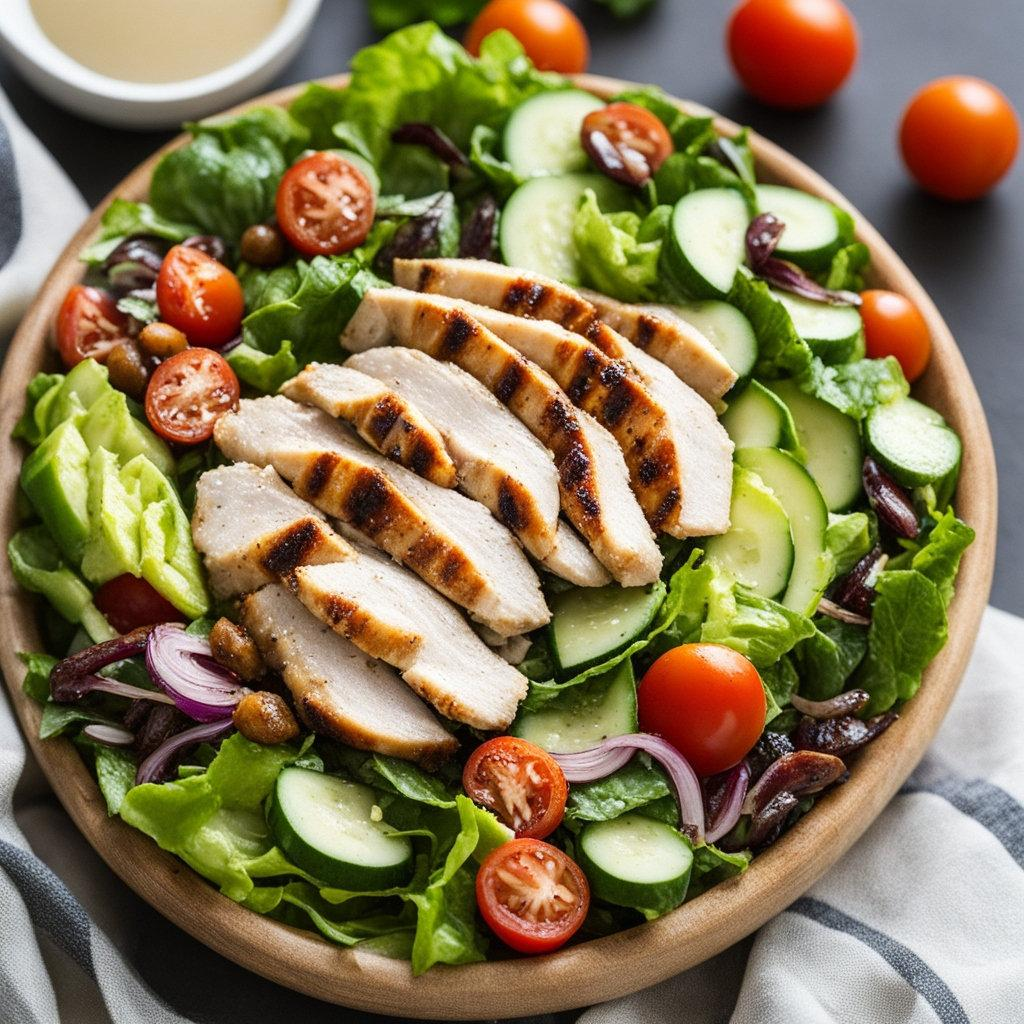
Lunch – Grilled chicken salad
- 100g cooked chicken breast
- Mixed salad vegetables
- Small wholegrain wrap or portion of rice
Approximately 30–35g protein
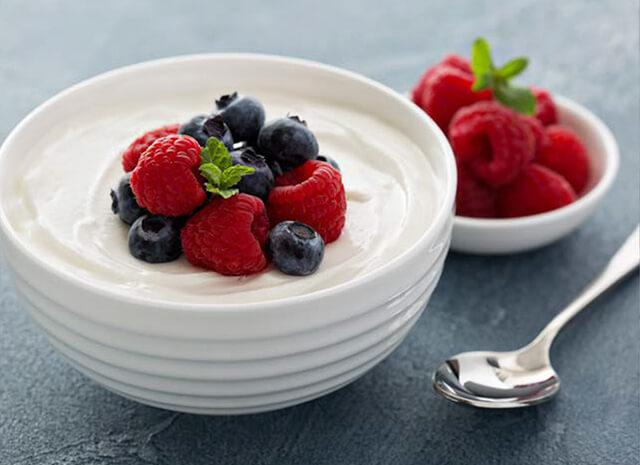
Snack – Plain Greek-style yoghurt
- 150g yoghurt
- A handful of berries
Approximately 8–15g protein
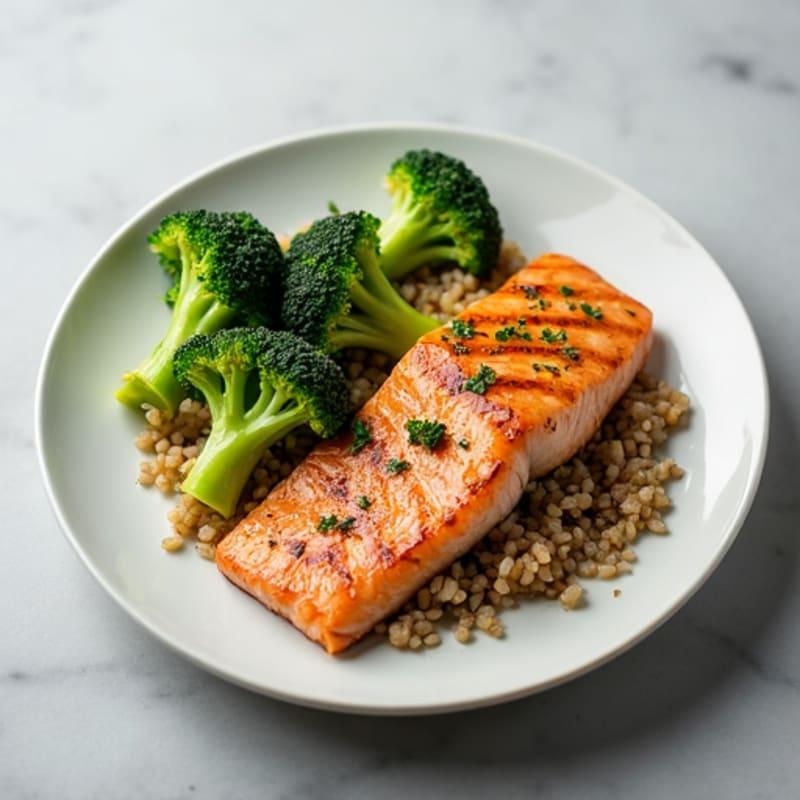
Dinner – Salmon with vegetables
- 100g cooked salmon
- Broccoli
- Small portion of brown rice
Approximately 27–30g protein
Estimated daily protein: 80–98g
Illustrative example only. Actual protein depends on brands, portions and preparation. Adjust the portions and total energy intake to your individual needs.
This meal plan is an example, not a personalised diet prescription. Your calorie requirements and nutritional needs may be different.
7. Is Plant-Based Protein Good for Weight Loss?
Absolutely. You do not need to eat meat, fish or dairy to get sufficient protein.
Plant-based foods can provide protein, fibre and other important nutrients that support a balanced diet.
Good plant-based protein options include:
- Lentils and chickpeas.
- Kidney beans and black beans.
- Tofu and tempeh.
- Soya milk and soya yoghurt.
- Peanuts and almonds.
- Seeds and wholegrains.
Some plant proteins contain lower amounts of particular essential amino acids than others. Eating a varied diet with different plant protein sources throughout the day helps provide the amino acids your body needs.
Plant-based meals can also provide fibre, which supports digestive health and helps make meals more satisfying.
If you are interested in healthier eating approaches, read our guide to low-calorie vs low-carb diets in the UK.
8. Do You Need Protein Shakes or Supplements to Lose Weight?
Not necessarily.
Most adults can meet their protein requirements through ordinary foods without buying protein powders, shakes or supplements.
However, protein supplements may be convenient for people who struggle to meet their nutritional needs through food alone.
Before purchasing a protein supplement, consider the following:
- Check how much protein each serving provides.
- Compare calories and added sugar.
- Look at the ingredient list.
- Avoid using shakes as a replacement for every meal.
- Consider whether ordinary foods can meet your requirements.
Some high-protein products contain additional sugars, fats or calories. Therefore, a product labelled high-protein is not automatically a good choice for weight loss.
If you have a medical condition or take regular medication, ask a healthcare professional before starting supplements. BHF+1
9. Can Too Much Protein Be Harmful?
For most healthy adults, getting adequate protein through a balanced diet is generally safe.
However, consuming excessive amounts does not necessarily provide additional weight-loss benefits.
Potential problems with an unnecessarily high-protein diet include:
- Eating more calories than intended.
- Reducing the variety of foods in your diet.
- Missing out on fibre if protein foods replace fruit, vegetables and wholegrains.
- Increasing saturated fat and salt intake if relying heavily on processed meats.
- Spending money on unnecessary supplements.
People living with chronic kidney disease or other conditions affecting protein metabolism may need specific dietary advice.
If you have kidney disease, do not start a high-protein diet without speaking to your GP or renal dietitian. Your protein requirements should be assessed individually. NICE+1
10. Common Protein Intake Mistakes to Avoid
Even when you are trying to eat more protein, some common mistakes can make weight management more difficult.
1. Eating too much protein
More protein does not automatically mean faster fat loss. Your overall calorie intake still matters.
2. Ignoring fibre
Do not replace all your carbohydrates with protein. Vegetables, fruits, beans and wholegrains provide important fibre and nutrients.
3. Relying only on protein shakes
Whole foods offer a wider range of nutrients and can be more satisfying.
4. Avoiding carbohydrates completely
Carbohydrates are an important source of energy. Choose higher-fibre options such as oats, brown rice and wholemeal bread.
5. Forgetting exercise
Protein alone cannot preserve all muscle during weight loss. Strength training and regular physical activity are also important.
6. Following extreme diets
Very restrictive diets can make it difficult to obtain enough essential nutrients. NICE recommends that low-energy and very-low-energy diets are used only in appropriate clinical programmes with professional support. NICE+1
11. Protein Intake for Weight Loss: What If You Have a Specific Health Condition?
Your nutritional requirements may change depending on your health.
- PCOS: A balanced diet containing adequate protein, fibre and other nutrients can support healthy eating and weight management. Read our guide to how to lose weight with PCOS.
- Type 2 diabetes: Protein can be included in a balanced diabetes-friendly eating pattern. Read our UK guide to type 2 diabetes remission.
- Obesity: A structured weight-management programme may help you develop sustainable eating habits. Read about NHS-approved weight-loss programmes.
- Weight-loss medication: If you are taking medicines such as Wegovy or Mounjaro, maintaining adequate nutrition is important, particularly if your appetite decreases. Read our guide to Wegovy vs Mounjaro.
- Kidney disease: You may need an individually adjusted protein intake. Seek advice from your renal healthcare team.
Frequently Asked Questions
1. How much protein should I eat daily to lose weight?
The general UK adult reference intake is 0.75g of protein per kilogram of body weight daily. Some people may benefit from higher amounts during weight loss, depending on their activity, age and health.
2. Does protein help burn belly fat?
Protein does not directly burn belly fat. However, it can help you feel fuller and maintain muscle while following a calorie-controlled diet.
3. Can I lose weight by eating protein without exercising?
Yes, weight loss can happen through a calorie deficit without exercise. However, combining adequate protein with physical activity, particularly strength training, can help preserve muscle.
4. Are eggs good for weight loss?
Yes. Eggs provide protein and other essential nutrients. They can be included in a balanced weight-loss diet.
5. Is 100g of protein a day too much?
Not necessarily. Whether 100g is appropriate depends on your body weight, activity level and health. People with kidney disease should seek individual dietary advice.
6. Are protein shakes necessary for weight loss?
No. Most people can obtain enough protein through everyday foods such as eggs, fish, chicken, yoghurt, beans and lentils.
7. Which vegetarian foods are high in protein?
Lentils, chickpeas, kidney beans, tofu, soya products, nuts and seeds are useful vegetarian protein sources.
8. Should I eat protein at every meal?
Including a protein source in your main meals is a practical way to meet your daily requirements. However, there is no universal requirement to eat protein at every meal.
9. Can eating too much protein cause weight gain?
Yes. Excess protein still contributes calories. If your total calorie intake exceeds your energy requirements, you may gain weight.
10. Is a high-protein diet safe for everyone?
No. People with kidney disease and certain other medical conditions may need specific protein recommendations. Consult a healthcare professional before making substantial dietary changes.
12. How to Lose Weight Safely While Getting Enough Protein
Protein is one part of a successful weight-management strategy. A sustainable approach should also include other healthy habits.
Consider the following steps:
- Maintain an appropriate calorie deficit rather than following an extreme diet.
- Include a source of protein in your main meals.
- Eat vegetables, fruits and fibre-rich foods regularly.
- Choose lean meats, fish, eggs, beans and other nutritious protein sources.
- Include strength exercises appropriate to your ability.
- Stay hydrated throughout the day.
- Prioritise sleep and consistent daily routines.
- Seek professional support if you have an underlying health condition.
The NHS recommends gradual weight loss rather than sudden or extreme dieting. NICE also emphasises individualised dietary approaches that maintain nutritional balance and support long-term weight management. NHS+2
Conclusion
Getting enough protein can support weight loss by helping you feel satisfied, maintain muscle and recover from exercise. However, there is no single protein target that works for everyone.
The general UK adult reference intake is 0.75g per kilogram of body weight daily, while some people may benefit from a higher individualised intake depending on their activity level, age and weight-management goals.
Focus on balanced meals containing lean protein, vegetables, fruit, wholegrains and healthy fats. Combine good nutrition with regular activity and a sustainable calorie deficit rather than relying on protein supplements or restrictive diets.