
NHS migraine preventative treatments can help people who experience frequent, severe or disabling migraine attacks reduce how often they occur and improve their quality of life. Migraines are more than ordinary headaches. They can cause intense throbbing pain, nausea, vomiting, sensitivity to light and sound, and sometimes visual disturbances known as aura.
For people experiencing repeated migraine attacks, painkillers alone may not provide enough relief. The NHS offers several preventative treatment options, including prescription medicines, lifestyle changes and specialist treatments for people whose migraines remain difficult to control.
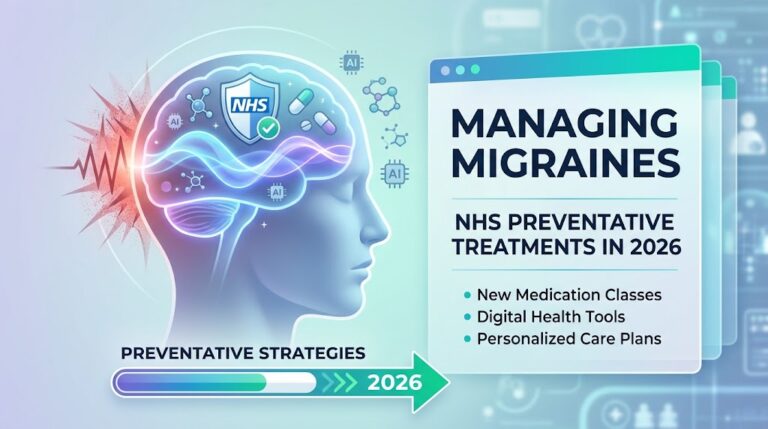
In 2026, migraine prevention in the UK includes established medicines such as propranolol, topiramate and amitriptyline, alongside newer treatments targeting calcitonin gene-related peptide (CGRP). However, eligibility for some newer medicines depends on previous treatment failures, migraine frequency and specialist assessment.
This guide explains the available NHS migraine preventative treatments, who may qualify, potential side effects, waiting times and how to discuss migraine prevention with your GP.
1. Understanding migraines and why prevention matters
A migraine is a neurological condition that causes recurring attacks of moderate to severe headache, often accompanied by other symptoms.
Unlike ordinary headaches, migraine attacks can last between four hours and three days if untreated.
Common migraine symptoms
Symptoms vary from person to person, but may include:
- Throbbing or pulsing pain, often on one side of the head.
- Nausea or vomiting.
- Increased sensitivity to light, sound or smells.
- Blurred vision or difficulty concentrating.
- Dizziness and fatigue.
- Neck stiffness.
- Visual disturbances, flashing lights or zigzag patterns associated with migraine aura.
Some people experience warning symptoms before an attack, including mood changes, food cravings, tiredness or difficulty concentrating.
When should you consider migraine prevention?
Your GP may discuss preventative treatment if:
- You experience frequent migraine attacks.
- Your headaches significantly affect work, education or everyday activities.
- Acute painkillers or migraine-specific medicines are not providing enough relief.
- You frequently need medication to control attacks.
- Your migraines are becoming more severe or difficult to manage.
- You experience prolonged or disabling symptoms.
Preventative medication is different from pain relief. Instead of treating an attack after it begins, it aims to reduce the number of attacks and their severity over time.
2. What NHS migraine preventative treatments are available in 2026?
The NHS uses several approaches to migraine prevention. The most suitable option depends on your medical history, other health conditions, pregnancy plans, medication tolerance and how frequently you experience migraines.
According to NICE guideline CG150, updated in June 2025, three established medicines should be considered following a discussion of their benefits and risks.
1. Propranolol
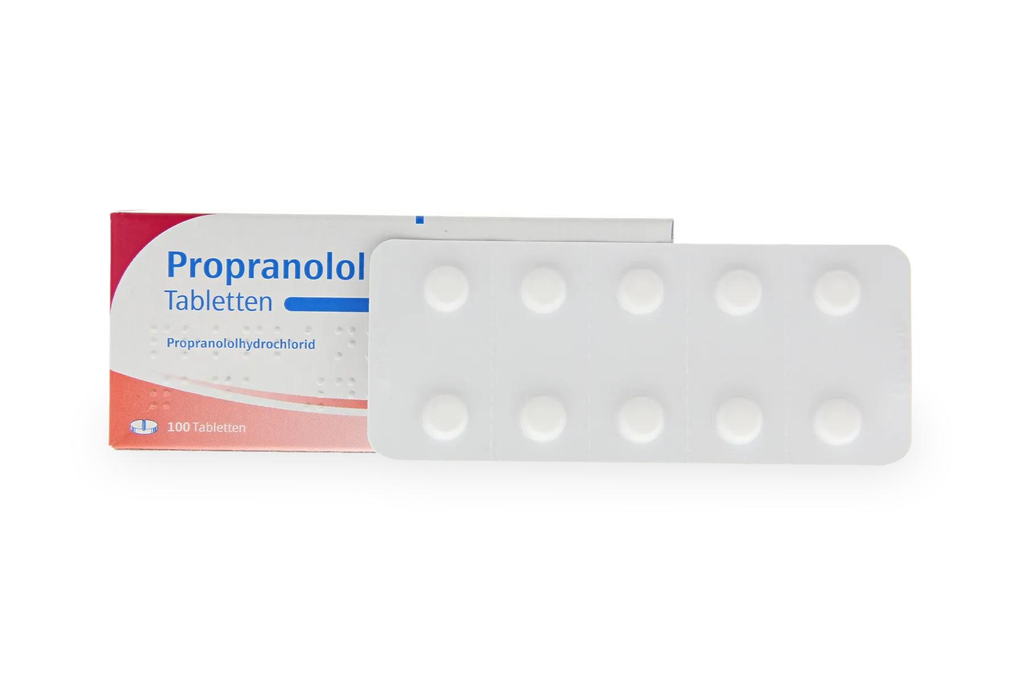
Propranolol is a beta-blocker commonly prescribed for migraine prevention.
It affects certain responses in the nervous system and can help reduce migraine frequency.
Your GP may consider propranolol if you experience frequent migraine attacks, particularly when it is also suitable for other aspects of your health.
Possible side effects include:
- Tiredness and dizziness.
- Cold hands and feet.
- Sleep disturbances.
- Low blood pressure.
- A slower heart rate.
It may not be suitable for people with asthma, certain heart conditions or particular circulation problems.
Your doctor will assess whether it is appropriate before prescribing it.
2. Topiramate
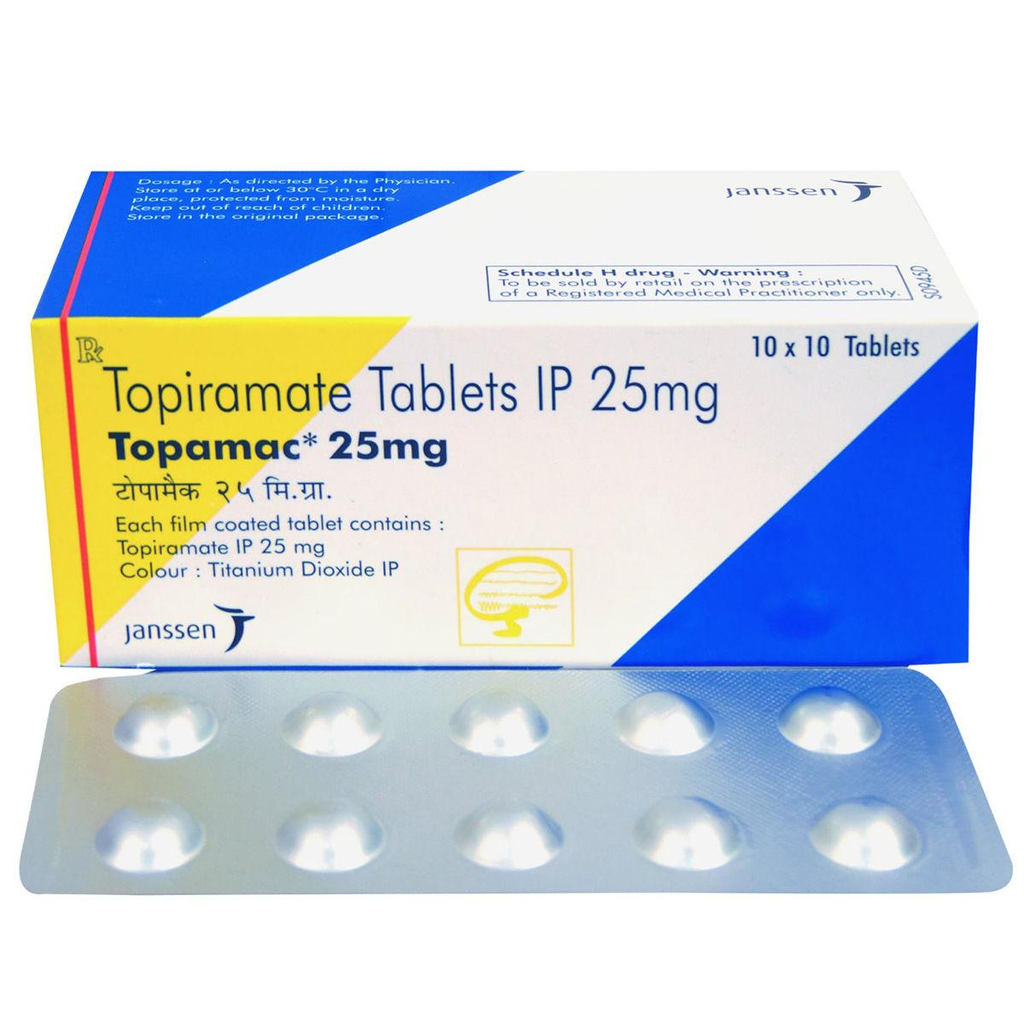
Topiramate is an anti-seizure medicine that is also used to prevent migraines.
It can help reduce the frequency of attacks by influencing electrical activity and chemical signalling in the brain.
It may be considered when migraines are frequent or significantly interfere with everyday life.
Possible side effects include:
- Tingling in the hands and feet.
- Changes in taste.
- Difficulty concentrating.
- Memory problems.
- Reduced appetite.
- Weight loss.
Important pregnancy safety warning: Topiramate must not be used for migraine prevention during pregnancy. Under MHRA safety requirements, it is also contraindicated in women who can become pregnant unless the Pregnancy Prevention Programme requirements are fulfilled, including highly effective contraception.
Anyone taking topiramate who is planning pregnancy or thinks they may be pregnant should contact their healthcare professional promptly.
Read the NHS guidance on topiramate for further safety information.
3. Amitriptyline
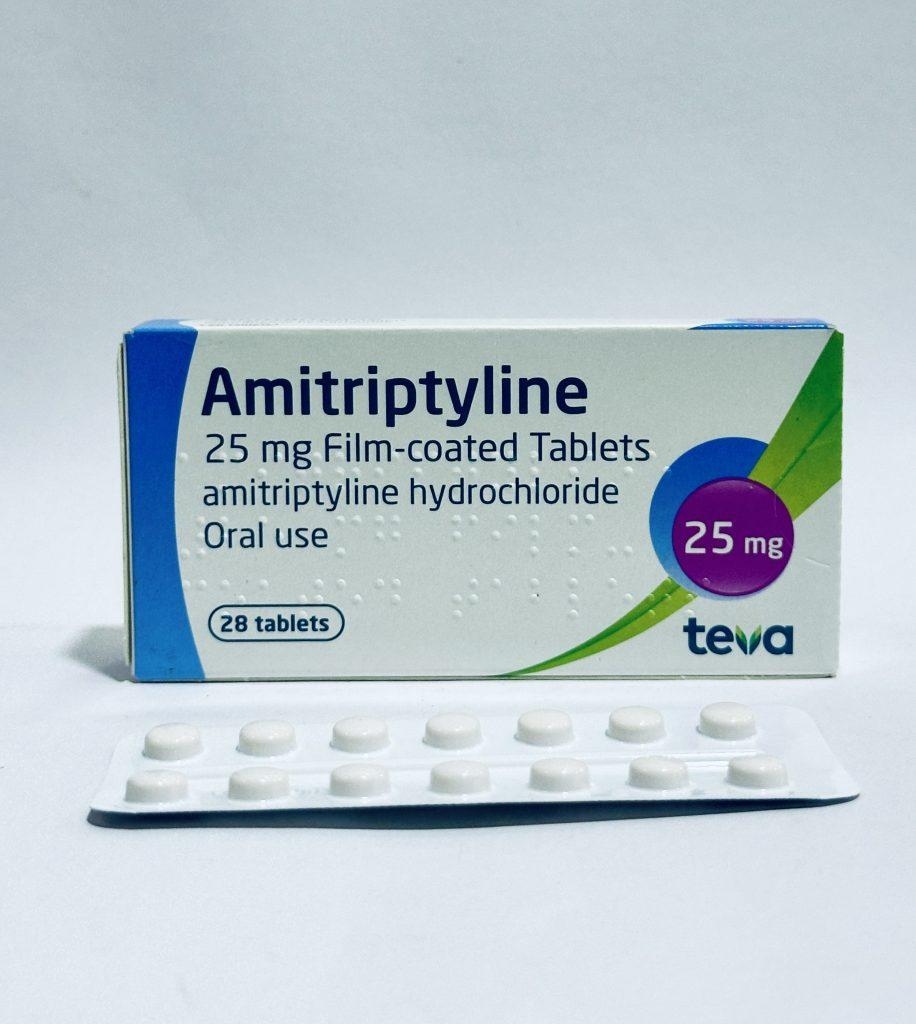
Amitriptyline is an antidepressant that is also prescribed at different doses for migraine prevention.
It may be particularly useful when migraines occur alongside sleep difficulties or certain types of persistent pain.
It works by affecting chemical messengers involved in pain regulation.
Possible side effects include:
- Drowsiness.
- Dry mouth.
- Constipation.
- Dizziness.
- Increased appetite.
- Weight gain.
Your GP will consider your existing medication and health conditions before recommending it.
Which preventative medicine is best?
There is no single best medicine for everyone. Your GP will consider the potential benefits and risks of each option.
| Treatment | Main consideration |
|---|---|
| Propranolol | May suit people who can safely take beta-blockers |
| Topiramate | Requires careful pregnancy safety assessment |
| Amitriptyline | May be useful when sleep difficulties or other pain conditions coexist |
NICE recommends discussing another suitable option if the first medicine does not work or causes unacceptable side effects. The remaining options should also be considered unless they are unsuitable for safety reasons. NICE+2
3. Newer NHS migraine preventative treatments: CGRP medicines
One of the important developments in migraine care is the availability of treatments that target calcitonin gene-related peptide (CGRP).
CGRP is involved in the biological processes associated with migraine attacks.
These treatments are designed to interrupt CGRP activity and reduce migraine frequency.
They are generally considered when established preventative medicines have not provided sufficient relief.
What are CGRP inhibitors?
CGRP-targeting treatments available through NHS pathways include:
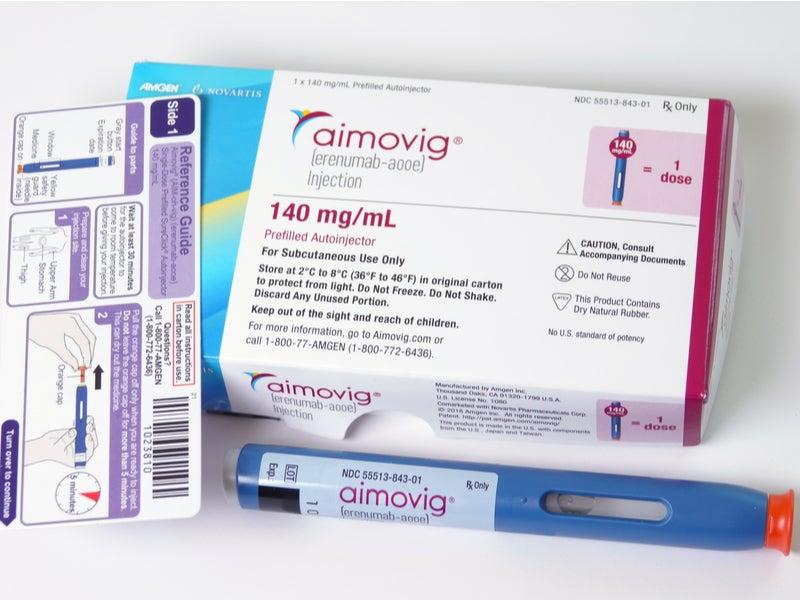
- Erenumab.
- Fremanezumab.
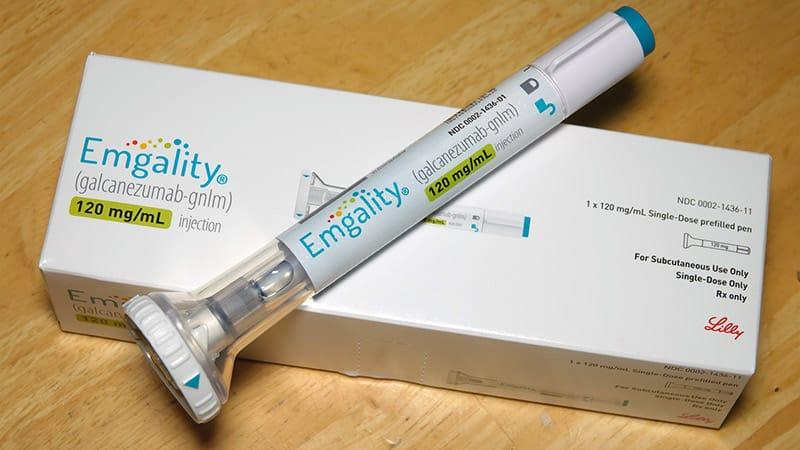
- Galcanezumab.
- Eptinezumab.
- Atogepant.
- Rimegepant, where its preventative use is covered by the relevant NICE recommendation.
Some are administered by injection, while others are taken orally.

Who qualifies for CGRP treatment on the NHS?
NICE recommendations generally require:
- A diagnosis of migraine.
- At least four migraine days per month.
- At least three preventative medicines that have not worked, were not tolerated or were unsuitable because of safety concerns.
- Assessment against the specific medicine’s NICE technology appraisal and local NHS prescribing pathway.
The exact eligibility criteria depend on the individual medicine.
For example, NICE recommends atogepant for eligible adults with at least four migraine days monthly after at least three preventative medicines have failed.
Treatment response is assessed after 12 weeks. Treatment should be stopped if migraine frequency has not reduced by at least 50% for episodic migraine or 30% for chronic migraine.
These thresholds are important when considering advanced NHS migraine preventative treatments. NCBI Bookshelf+2
Are CGRP treatments better than traditional medicines?
They may provide an important alternative for people who have not benefited from conventional preventative medicines.
Potential advantages include:
- Targeted migraine prevention.
- Different administration options.
- Reduced migraine frequency in suitable patients.
- An alternative when other preventative medicines cause troublesome side effects.
However, they are not automatically more suitable for everyone. Cost-effectiveness, clinical eligibility, safety and individual response influence NHS prescribing decisions.
4. Botox injections for chronic migraine
Botulinum toxin type A, commonly known as Botox, is another preventative treatment available through NHS specialist pathways.
It is specifically recommended for certain adults with chronic migraine.
Chronic migraine generally means:
- Headaches on at least 15 days each month.
- Migraine features on at least eight of those days.
- This pattern continues for more than three months.
Botox treatment involves multiple small injections around specific areas of the head and neck.
Who can get Botox for migraines on the NHS?
Under NICE guidance, Botox may be considered when:
- At least three preventative medicines have failed, were not tolerated or were unsuitable.
- The person has chronic migraine.
- Medication overuse has been appropriately managed.
Treatment is usually repeated at intervals determined by the specialist.
NICE recommends stopping Botox if headache days have not reduced by at least 30% after two treatment cycles, or if the condition changes to episodic migraine for three consecutive months. NICE+1
5. Candesartan and other preventative options
Candesartan is a medicine primarily used to treat high blood pressure. It is also used by clinicians for migraine prevention.
Although it is not one of the three medicines specifically listed in NICE’s principal recommendation 1.3.18, it is recognised in specialist migraine practice.
The British Association for the Study of Headache’s 2026 advanced preventative treatment guidance includes candesartan among established oral preventative options.
It may be considered according to individual clinical circumstances.
Other options include:
- Acupuncture: NICE advises considering up to 10 sessions over five to eight weeks when propranolol, topiramate and amitriptyline have not worked, are unsuitable or are not tolerated.
- Riboflavin (vitamin B2): NICE advises that 400mg once daily may help reduce migraine frequency and intensity in some people.
These options should be discussed with a healthcare professional rather than started as a substitute for an appropriate treatment plan. NICE+1
6. Lifestyle changes that can help prevent migraines
Medication is only one part of migraine management. Daily habits can also influence how frequently attacks occur.
A consistent routine may complement NHS migraine preventative treatments and help you identify individual triggers.
Maintain regular sleeping habits
Poor sleep and irregular sleeping patterns can contribute to migraine attacks.
Try to:
- Go to bed at a similar time each night.
- Wake up at a consistent time.
- Avoid excessive screen use before bedtime.
- Create a comfortable, quiet sleeping environment.
- Avoid regularly missing sleep.
Stay hydrated
Dehydration may trigger headaches in some people.
Drink water regularly throughout the day, particularly during hot weather or physical activity.
There is no universal amount that prevents migraines, so consider your activity level, climate and individual needs.
Avoid skipping meals
Long gaps between meals may trigger migraine symptoms in some individuals.
Consider:
- Eating meals at regular times.
- Avoiding prolonged fasting if it triggers headaches.
- Including balanced meals.
- Keeping healthy snacks available when needed.
Our guide on how stress affects the body also explains how stress can influence physical symptoms.
Identify individual food triggers
Certain foods and drinks may trigger migraines in some people, although triggers differ considerably.
Potential triggers include:
- Alcohol.
- Excessive caffeine.
- Processed meats containing nitrates.
- Foods containing certain additives.
- Skipping meals.
Avoid unnecessarily restrictive diets. Keeping a migraine diary can help identify patterns before removing foods from your diet.
Manage stress
Stress is a commonly reported migraine trigger.
Relaxation techniques may help some people manage their symptoms.
Try:
- Gentle exercise.
- Breathing exercises.
- Mindfulness.
- Yoga.
- Regular breaks from work.
- Relaxation before bedtime.
If stress is affecting your emotional wellbeing, read our guide to managing stress and its effects on the body.
Exercise regularly
Regular physical activity may support general health and migraine management.
Suitable activities include:
- Walking.
- Swimming.
- Cycling.
- Gentle stretching.
- Yoga.
Start gradually, particularly if strenuous exercise has previously triggered your migraines.
7. Understanding migraine triggers and keeping a headache diary
Identifying your triggers can make preventative treatment more effective.
A headache diary allows you and your GP to understand how frequently attacks happen and whether treatment is working.
Record the following information:
| What to record | Why it matters |
|---|---|
| Date and time | Identifies attack patterns |
| Duration | Measures how long attacks last |
| Pain severity | Shows how disabling symptoms are |
| Possible triggers | Helps identify recurring patterns |
| Medication taken | Tracks treatment use |
| Menstrual cycle | Helps identify hormonal associations |
| Sleep and meals | Highlights lifestyle patterns |
For women, hormonal changes can influence migraine patterns, particularly around menstruation and menopause.
Our guides on PMDD versus PMS and menopause symptoms in the UK provide additional information about hormonal health.
How long should you keep a migraine diary?
Try recording symptoms daily for at least eight weeks before a routine review, if possible. This gives your GP more information about attack frequency and potential triggers.
8. How to get migraine preventative treatment on the NHS
If migraines are affecting your daily life, your GP is usually the first point of contact.
You do not need to wait until migraines become unbearable before asking for help.
Step 1: Book a GP appointment
Explain how frequently you experience migraines and how they affect your everyday activities.
Mention:
- How many headache days you experience monthly.
- Whether you experience visual aura.
- How long attacks last.
- Whether you experience nausea or vomiting.
- Which medications you have already tried.
- Whether migraines affect your ability to work or study.
Step 2: Discuss preventative medicines
Your GP may discuss propranolol, topiramate or amitriptyline, depending on your medical history.
If one option is unsuitable, ask whether another preventative medicine could be considered.
Step 3: Monitor treatment effectiveness
Preventative medication may take several weeks to show a meaningful benefit.
Your GP may gradually adjust the dose depending on how well you tolerate the medicine and whether your migraines improve.
NICE recommends reviewing the need for continued preventative treatment three to six months after starting it.
Step 4: Ask about specialist referral
If your migraines remain difficult to control, your GP may consider referring you to a neurologist or headache specialist.
Specialist assessment may help determine whether advanced treatments, including CGRP medicines or Botox, are appropriate.
Step 5: Understand NHS waiting times
There is no single national waiting time specifically for every migraine specialist appointment.
Waiting times depend on your location, clinical urgency, local referral pathways and specialist availability.
If your symptoms worsen while waiting, contact your GP again.
For further information about navigating NHS services, read our guides:
9. Can migraines be linked to hormonal changes?
Yes. Hormonal fluctuations can influence migraine patterns, particularly in women.
Some women experience menstrual migraines shortly before or during their periods, when oestrogen levels change.
Other hormonal factors include:
- Pregnancy.
- Perimenopause.
- Menopause.
- Starting or stopping hormonal contraception.
If you notice that migraines occur around the same stage of your menstrual cycle, record the dates in your headache diary.
Your GP may discuss treatment options based on your symptoms and reproductive health.
Read our related guides:
10. Medication overuse headaches: an important warning
Taking painkillers or migraine medication too frequently can sometimes make headaches worse.
This is known as medication-overuse headache.
It may develop when someone regularly uses acute headache medication beyond recommended limits.
Examples include:
- Triptans.
- Opioids.
- Combination painkillers.
- Paracetamol.
- Non-steroidal anti-inflammatory drugs (NSAIDs).
NICE advises clinicians to consider medication overuse when assessing people with frequent headaches.
If you regularly need pain relief, speak to your GP about a safer treatment strategy.
Preventative medication may help reduce reliance on medicines taken during individual attacks.
Do not suddenly stop prescribed medication without discussing the appropriate approach with your healthcare professional.
11. When should you seek urgent medical attention?
Most migraines are not medical emergencies, but some headache symptoms require urgent assessment.
Seek emergency medical help if you experience:
- A sudden, extremely severe headache that reaches maximum intensity within minutes.
- A new headache accompanied by weakness or paralysis.
- Difficulty speaking or understanding speech.
- New loss of vision.
- Confusion, seizures or reduced consciousness.
- A severe headache following a significant head injury.
Call 999 for suspected stroke, a seizure or other life-threatening symptoms.
Contact NHS 111 or seek urgent medical advice for a severe or unusual headache that needs prompt assessment but is not immediately life-threatening.
Do not automatically assume new neurological symptoms are migraine aura, particularly if they are sudden, different from your usual symptoms or accompanied by weakness.
For more information, read our guide to NHS 111 vs A&E vs GP.
12. How much do NHS migraine preventative treatments cost?
For eligible patients, NHS-prescribed migraine prevention is generally provided through the usual NHS prescription system.
In England, standard prescription charges may apply unless you qualify for free prescriptions or another exemption.
Prescription arrangements differ across the UK:
- England: Standard prescription charges generally apply, subject to exemptions and the Prescription Prepayment Certificate scheme.
- Scotland: NHS prescriptions are free.
- Wales: NHS prescriptions are free.
- Northern Ireland: NHS prescriptions are free.
Some newer migraine treatments are funded through specialist NHS pathways when patients meet the relevant NICE eligibility criteria.
Private treatment costs can vary considerably depending on the medicine, provider and number of treatment sessions.
You can read our guide to free NHS prescriptions in England for more information.
13. How long does migraine preventative treatment take to work?
The time needed to see improvement depends on the medicine and individual response.
Some people notice changes within a few weeks, while others need longer or a dose adjustment.
Generally:
- Oral preventative medicines require gradual assessment and dose adjustment.
- Botox response is assessed over treatment cycles.
- CGRP treatments are assessed against NICE response criteria after 12 weeks.
Do not stop a preventative medicine simply because you have not noticed an immediate improvement.
Discuss any concerns or side effects with your GP or specialist.
NICE recommends reviewing ongoing preventative treatment three to six months after starting it. NICE+1
Frequently asked questions about NHS migraine preventative treatments
1. What is the best migraine preventative medicine available on the NHS?
There is no single best option for everyone. NICE recommends considering propranolol, topiramate or amitriptyline after discussing their benefits, risks and suitability. Advanced treatments may be considered if standard options are unsuccessful or unsuitable.
2. Can I get migraine injections on the NHS?
Yes. Eligible patients may receive CGRP-targeting injections or Botox through NHS treatment pathways. Eligibility depends on migraine frequency, previous preventative treatments and the specific NICE recommendations.
3. How many migraines do I need to qualify for CGRP treatment?
NICE recommends several CGRP-targeting preventative treatments for eligible adults experiencing at least four migraine days per month, provided at least three preventative medicines have failed, were not tolerated or were unsuitable.
4. Can my GP prescribe migraine preventative medication?
Yes. GPs can assess migraines and prescribe suitable preventative medicines, including propranolol, topiramate and amitriptyline. Some advanced treatments require specialist assessment or specific prescribing arrangements.
5. Is topiramate safe for migraine prevention?
Topiramate can be effective for migraine prevention, but it has important safety restrictions. It must not be used for migraine prevention during pregnancy, and women who can become pregnant must meet the requirements of the MHRA Pregnancy Prevention Programme.
6. Can Botox stop chronic migraines?
Botox can reduce headache frequency in some people with chronic migraine. NICE recommends it for eligible adults after at least three preventative medicines have failed, been unsuitable or not been tolerated, with medication overuse appropriately managed.
7. How long should I take migraine preventative medication?
Treatment duration depends on how well it works, side effects and your medical circumstances. NICE recommends reviewing the need for continued preventative treatment three to six months after starting it.
8. Can lifestyle changes prevent migraines without medication?
Lifestyle changes may reduce migraine triggers and support prevention. Regular sleep, hydration, balanced meals, stress management and exercise can help, but people with frequent or disabling migraines may also need medical treatment.
9. Can stress cause migraines?
Stress is a commonly reported migraine trigger. Changes in stress levels, poor sleep and disrupted routines may contribute to attacks. Managing stress can form part of a wider prevention strategy.
10. What should I do if my migraine treatment is not working?
Contact your GP to review your diagnosis, medication, dosage and possible triggers. Your doctor may recommend another preventative medicine or consider referral to a headache specialist for advanced treatments.
Conclusion: Managing migraines with the right NHS treatment
Living with frequent migraines can affect work, relationships, sleep and everyday activities. However, effective prevention can make a meaningful difference.
In 2026, NHS migraine preventative treatments include established medicines such as propranolol, topiramate and amitriptyline, alongside advanced options such as CGRP-targeting treatments and Botox for eligible patients.
The most appropriate treatment depends on your symptoms, medical history, previous medication experiences and individual risk factors.
If migraines are becoming frequent or affecting your quality of life, speak to your GP rather than relying on painkillers alone. Keeping a headache diary and discussing your treatment options can help you develop a practical, personalised prevention plan.