
A brighter smile can improve your confidence, but knowing how to whiten teeth safely without damaging enamel is essential for protecting your long-term oral health. From whitening toothpaste and professional treatments to popular home remedies, there are several options available. However, not every method is effective or safe for your teeth.
The good news is that you can improve the appearance of stained or yellow teeth without resorting to harsh ingredients or unproven DIY treatments. The key is understanding what causes tooth discolouration, choosing appropriate whitening methods and getting dental advice when necessary.
In this guide, HealthCresto explains how to whiten teeth safely, whether whitening toothpaste damages enamel, which home remedies to avoid and when to speak to a dentist in the UK.
Quick answer: What is the safest way to whiten teeth?
The safest approach is to have your teeth and gums checked by a registered dental professional before using a bleaching treatment. A dentist can recommend suitable whitening products or professionally supervised treatment. Brushing twice daily with fluoride toothpaste, cleaning between your teeth and reducing frequent exposure to staining foods and drinks can also help maintain a cleaner, brighter smile.
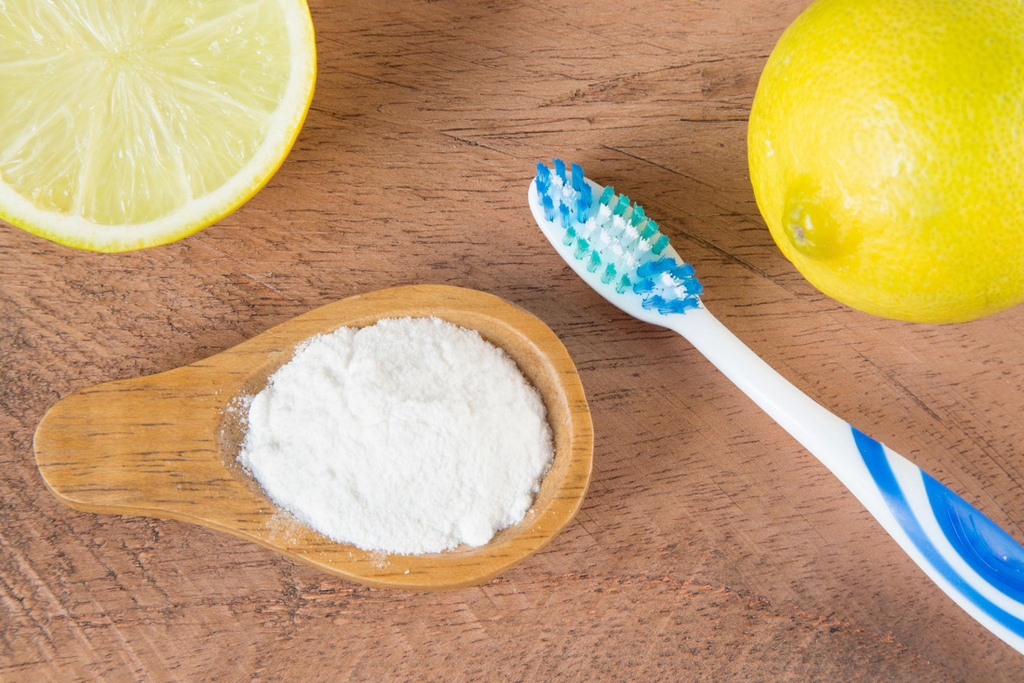
Avoid using lemon juice, household bleach, abrasive powders or other harsh DIY methods to whiten teeth.
What is tooth enamel, and why does it matter?
Tooth enamel is the hard, protective outer layer of your teeth. It helps protect the sensitive inner structures from everyday chewing, temperature changes, acids and bacteria.
Although enamel is the hardest substance in the human body, it cannot regenerate in the same way as living tissue. Once it is significantly lost through erosion or wear, the damage cannot simply be reversed.
Enamel also affects the appearance of your teeth. It is naturally translucent, allowing some of the yellowish dentine underneath to influence tooth colour. This means that not all yellow teeth are dirty, and not every colour change can be corrected through whitening.
Some whitening treatments use bleaching ingredients to change the colour of teeth, while whitening toothpastes primarily help remove surface stains. Understanding this difference is important when choosing a safe option.
What causes yellow or stained teeth?
Before choosing a whitening treatment, it helps to identify why your teeth have changed colour.

Common causes include:
- Tea and coffee: Frequent consumption can leave brown or yellow surface stains.
- Red wine and other strongly coloured drinks: Pigments may gradually discolour the tooth surface.
- Smoking and tobacco: Tobacco use can contribute to persistent yellow or brown staining and increases oral health risks.
- Ageing: Enamel gradually wears down over time, making the underlying dentine more visible.
- Poor oral hygiene: Plaque and tartar accumulation can make teeth appear darker or less clean.
- Certain medicines or dental conditions: Some medications, injuries and developmental conditions can cause deeper discolouration.
- Dental restorations: Crowns, veneers and fillings do not respond to bleaching in the same way as natural teeth.
If one tooth suddenly becomes darker than the others, or the discolouration appears alongside pain or swelling, arrange a dental assessment rather than attempting to whiten it yourself.
7 how to whiten teeth safely without damaging enamel
1. Visit a dentist before using bleaching products
A dental examination is the best starting point if you want to whiten your teeth safely.
Your dentist can assess your enamel, check for cavities or gum disease, identify the likely cause of staining and discuss whether whitening is suitable. Existing sensitivity, exposed roots, cracked teeth and untreated dental problems may affect your options.
Professional advice is particularly important if your teeth are already sensitive or you have dental restorations that you want to match to your natural teeth.
If you need treatment for an underlying problem first, read our guide to root canal treatment, NHS costs and what to expect.
2. Brush twice daily with fluoride toothpaste
Everyday oral hygiene is one of the simplest ways to maintain clean-looking teeth.
Brush twice a day for approximately two minutes using fluoride toothpaste and a soft-bristled toothbrush. Clean all tooth surfaces gently, including the gumline, without scrubbing aggressively.
Fluoride helps strengthen enamel and supports protection against tooth decay. It does not bleach teeth, but keeping your enamel healthy is an important part of any long-term whitening routine.
After brushing, spit out the toothpaste rather than immediately rinsing your mouth with water, so that fluoride can remain on your teeth for longer.
3. Choose a suitable whitening toothpaste
Whitening toothpaste can help remove certain surface stains caused by food, drinks and tobacco.
Most whitening toothpastes work through polishing ingredients, and some contain additional ingredients intended to help reduce staining. They generally do not produce the same colour change as bleaching treatments.
When choosing one:
- Look for fluoride in the formulation.
- Follow the manufacturer’s directions.
- Avoid products that promise instant or dramatic bleaching.
- Stop using the product if it causes persistent sensitivity or gum irritation.
- Ask your dentist for advice if you have enamel erosion, exposed roots or sensitive teeth.
Does whitening toothpaste damage enamel? Not necessarily. A suitable product used as directed can help remove surface stains, but highly abrasive products or aggressive brushing may contribute to tooth wear. The specific formulation and how you use it matter.
4. Consider dentist-supervised teeth whitening
If you want to change the natural colour of your teeth rather than simply remove surface stains, dentist-supervised whitening may be an option.
In the UK, a registered dentist should assess your teeth and gums before prescribing a suitable treatment. Options may include a professionally supplied home whitening kit with custom-fitted trays or treatment carried out at a dental practice.
Your dentist will explain how to use the product, how long treatment should continue and what side effects to watch for.
Whitening products containing hydrogen peroxide can cause temporary tooth sensitivity or gum irritation. Correct product selection and application help reduce the risk of problems.
For more information, read HealthCresto’s guide to whether teeth whitening is safe.
5. Reduce the frequency of staining foods and drinks
You do not necessarily need to stop drinking tea or coffee to maintain a brighter smile. Instead, consider reducing frequent exposure and maintaining good oral hygiene.
Helpful habits include:
- Drinking water regularly throughout the day.
- Having tea, coffee and other strongly coloured drinks with meals rather than sipping them continuously.
- Rinsing your mouth with water after consuming staining drinks.
- Avoiding tobacco.
- Waiting around 30–60 minutes before brushing after acidic foods or drinks, because acid can temporarily soften the tooth surface.
These steps may help limit new surface staining, but they will not bleach the underlying tooth colour.
6. Clean between your teeth every day
Plaque and debris can accumulate between teeth and around the gumline, making your smile appear less clean.
Use dental floss or appropriately sized interdental brushes to clean between your teeth daily. If plaque hardens into tartar, brushing alone cannot remove it; a dental professional may need to provide a scale and polish.
Professional cleaning can improve the appearance of surface staining and support gum health, although it is not the same as bleaching your teeth.
Explore our guide to gum disease treatment: NHS versus private costs if you are concerned about bleeding gums, inflammation or other signs of gum disease.
7. Manage tooth sensitivity carefully
Some people experience sensitivity during or after whitening treatment. This may feel like a brief sharp sensation when consuming cold drinks or breathing in cold air.
If you have sensitive teeth:
- Speak to your dentist before starting a bleaching treatment.
- Consider a fluoride toothpaste formulated for sensitivity.
- Follow the recommended whitening schedule exactly.
- Do not apply extra gel or leave whitening products on longer than directed.
- Stop treatment and seek advice if discomfort becomes significant or persists.
Persistent sensitivity may indicate an underlying issue, such as tooth decay, gum recession or enamel wear, that needs attention before whitening can continue.
Which teeth whitening methods are safe?
The right choice depends on whether you want to remove surface stains or change the natural colour of your teeth.
Fluoride toothpaste and good brushing
Good for daily care
Helps remove plaque and some surface stains while supporting enamel protection. It does not significantly bleach natural tooth colour.
Dentist-prescribed whitening kit
Supervised option
Uses a whitening gel and a fitted tray according to the dentist’s instructions. It can lighten natural teeth while allowing the dentist to monitor suitability and side effects.
Professional cleaning
Best for certain surface stains
A scale and polish can remove deposits and some external staining. It does not change the underlying colour of natural teeth in the same way as bleaching.
In the UK, tooth whitening is regulated. The General Dental Council states that whitening treatment should only be provided by appropriately registered dental professionals, with the required dentist assessment and prescription. A beauty salon or unregistered provider is not a safe alternative. General Dental Council+1
Home teeth whitening remedies you should avoid
Natural or homemade does not automatically mean safe. Some popular remedies can wear away enamel, irritate gums or increase sensitivity.
| DIY method | Why to be cautious |
|---|---|
| Lemon juice or vinegar | Acid can erode enamel and increase sensitivity. |
| Household bleach | Can cause serious chemical injury and must never be used in the mouth. |
| Abrasive charcoal powders | Some products may be abrasive and can wear tooth surfaces; evidence for safe, effective whitening is limited. |
| Baking soda used aggressively | Abrasive scrubbing or unsuitable mixtures may damage oral tissues and contribute to wear. |
| Undiluted hydrogen peroxide | Can irritate or burn oral tissues and may damage them if misused. |
| Unregulated online whitening kits | Ingredients, concentration, fit and instructions may be unsuitable or unsafe. |
The safest rule is to avoid experimenting with household chemicals or abrasive mixtures. If you are considering a bleaching product, ask a dentist whether it is suitable for you.
Does teeth whitening permanently damage enamel?
Teeth whitening does not inevitably cause permanent enamel damage, but inappropriate products or misuse can harm your teeth and gums.
Dental bleaching works by using active ingredients to alter the molecules responsible for discolouration. This is different from physically scrubbing stains off the surface.
However, bleaching may cause temporary sensitivity or gum irritation. Excessive or inappropriate use, particularly without a proper assessment, can increase the risk of oral tissue injury and other complications.
There are also situations where whitening may be unsuitable, including untreated decay, unhealthy gums or certain types of existing dental damage.
The General Dental Council warns that tooth whitening is a dental treatment that can affect the structure of teeth and should follow an appropriate assessment. General Dental Council+1
For that reason, avoid excessive treatment, follow professional instructions and do not assume that a product is safe simply because it is marketed as natural or enamel-friendly.
How long does it take to whiten teeth safely?
The time required depends on the type of treatment, the cause of discolouration and your starting tooth shade.
| Method | What to expect |
|---|---|
| Improved brushing and flossing | Surface cleanliness may improve over days to weeks. |
| Whitening toothpaste | Surface stains may gradually become less noticeable over several weeks. |
| Professional cleaning | Some external stains may improve during or after the appointment. |
| Dentist-prescribed home whitening | Usually takes days to a few weeks, depending on the treatment plan. |
| In-practice whitening | May produce a visible change during one appointment, although results vary. |
These are general expectations, not guaranteed results. Deep staining, age-related colour changes, medication-related discolouration and dental restorations may respond differently.
Do not speed up the process by using more product, increasing application time or combining multiple whitening treatments.
How can you keep your teeth white after treatment?
Once you achieve your desired shade, maintaining it is usually easier than repeatedly trying to whiten your teeth.
Follow these practical habits:
- Brush twice daily with fluoride toothpaste.
- Clean between your teeth every day.
- Drink water regularly, particularly after staining or acidic drinks.
- Avoid smoking and tobacco products.
- Attend routine dental check-ups.
- Follow your dentist’s advice before repeating a whitening course.
- Avoid DIY bleaching and abrasive whitening hacks.
Remember that natural teeth are not always pure white. A healthy, natural shade is normal, and repeatedly bleaching teeth to achieve an unrealistic colour may expose you to unnecessary risks.
When should you see a dentist about discoloured teeth?
Arrange a dental appointment if you notice:
- Sudden or unexplained changes in tooth colour.
- One tooth becoming grey, brown or significantly darker than the others.
- Persistent tooth sensitivity or pain.
- Bleeding, swollen or painful gums.
- Visible cavities, cracks or damaged fillings.
- Discolouration that does not improve with routine cleaning.
Seek urgent dental advice if you have severe toothache, significant swelling or signs of a dental infection. If swelling affects your breathing or swallowing, seek emergency medical help.
If you need help finding care, read our guide to how to find an NHS dentist in 2026. For urgent problems, see how to get emergency dental treatment in the UK.
Is teeth whitening available on the NHS?
In England, teeth whitening is generally considered a cosmetic treatment and is not routinely available on the NHS.
If your teeth are discoloured, an NHS dentist may assess whether there is an underlying dental problem that needs treatment. That is different from providing cosmetic bleaching.
Private whitening may be available if a dentist considers you suitable. Costs vary by practice, treatment type and location, so ask for a written treatment plan and price before proceeding.
You can also read our guide to NHS dental charges in England: the 2026 price guide to understand how NHS dental charges work.
Note: NHS dental charging arrangements differ across the UK. Check the relevant service for your nation, including Scotland, Wales or Northern Ireland.
Frequently asked questions about safe teeth whitening
1. What is the safest way to whiten teeth at home?
The safest approach is to maintain good oral hygiene and use only suitable whitening products in accordance with professional advice and product instructions. If you want to bleach your natural tooth colour, consult a registered dentist before starting treatment.
2. Can I whiten my teeth without damaging enamel?
It is possible to whiten teeth while minimising risks, but no bleaching treatment is entirely risk-free. A dental assessment, appropriate products and correct use help reduce the risk of sensitivity, gum irritation and other complications.
3. Does baking soda whiten teeth safely?
Baking soda may help remove some surface stains in certain toothpaste formulations. However, aggressively scrubbing your teeth with homemade mixtures is not a reliable way to achieve predictable whitening. Choose a suitable oral-care product and follow your dentist’s advice.
4. Is lemon juice safe for whitening teeth?
No. Lemon juice is acidic and can erode enamel. Using it repeatedly to whiten teeth may make teeth more sensitive and potentially more yellow-looking as the underlying dentine becomes more visible.
5. Does whitening toothpaste damage enamel?
Not necessarily. A suitable whitening toothpaste used as directed may help remove surface stains. However, abrasive formulations and aggressive brushing can contribute to wear, particularly if enamel is already weakened.
6. How can I remove yellow stains from teeth naturally?
Brushing twice daily with fluoride toothpaste, cleaning between your teeth, drinking water and reducing tobacco use can help control plaque and surface staining. These habits cannot reliably change the natural colour of your teeth. Avoid acidic fruit remedies and harsh DIY bleaching mixtures.
7. How long does professional teeth whitening last?
Results vary depending on the original tooth shade, diet, tobacco use, oral hygiene and the treatment used. Staining can gradually return, so follow your dentist’s maintenance advice rather than repeatedly bleaching your teeth without guidance.
8. Can I whiten sensitive teeth?
You may still have options, but you should consult a dentist first. Sensitivity can be a sign of exposed dentine, gum recession, tooth decay or enamel wear. Your dentist can investigate the cause and advise whether whitening is appropriate.
9. Is laser teeth whitening better than home whitening?
In-practice whitening may produce a visible change more quickly, while dentist-prescribed home treatment usually takes longer. Neither option is automatically best for everyone. Suitability, expected results, side effects and cost should guide the decision.
10. Can I whiten crowns, veneers or fillings?
Bleaching products do not whiten crowns, veneers and fillings in the same way as natural teeth. If you have visible restorations, ask your dentist about colour matching before treatment because your natural teeth may lighten while the restorations remain unchanged.
Conclusion: Protect your enamel while improving your smile
Learning how to whiten teeth safely without damaging enamel starts with understanding the cause of staining and choosing an appropriate treatment.
Good oral hygiene, fluoride toothpaste and regular dental care can help maintain a clean, healthy smile. If you want a more noticeable change in tooth colour, dentist-supervised whitening offers a way to assess suitability, discuss potential side effects and select an appropriate treatment.
Avoid household chemicals, acidic DIY remedies and unregulated whitening services. Most importantly, prioritise the health of your teeth and gums over achieving an artificially bright shade.