


Dry skin in winter is a common problem in the UK, particularly when cold outdoor temperatures, harsh winds and indoor central heating weaken the skin’s natural protective barrier. These seasonal changes can cause tightness, itching, flaking, redness and uncomfortable patches, especially on the hands, face, lips and legs.
Although winter dryness often improves with the right skincare routine, ignoring persistent symptoms can lead to cracked skin, irritation and eczema flare-ups. Fortunately, dermatologists recommend several practical ways to restore moisture, protect the skin barrier and prevent further dryness.
In this guide, HealthCresto explains the most effective dermatologist-recommended winter skincare remedies, which moisturisers and ingredients to look for, common mistakes to avoid and when to seek medical advice in the UK.
What Causes Dry Skin in Winter?
Your skin naturally contains oils and moisture that help maintain its protective barrier. During winter, environmental changes can disrupt this barrier, allowing moisture to escape more easily.
Several factors contribute to dry skin during colder months.
1. Cold Weather and Low Humidity
Cold outdoor air generally contains less moisture than warm air. This can increase water loss from the skin, leaving it rough, tight and flaky.
2. Indoor Central Heating
Central heating makes homes and workplaces comfortable during winter, but it can reduce indoor humidity. Spending long periods in heated environments may worsen skin dryness.
3. Hot Showers and Baths
Hot showers may feel relaxing in cold weather, but prolonged exposure to hot water can remove natural oils from the skin.
This makes the skin more vulnerable to irritation and moisture loss.
4. Harsh Soaps and Cleansers
Some soaps, fragranced shower gels and strong cleansing products can damage the skin’s protective barrier.
People with sensitive skin may notice increased itching, redness and dryness after using these products.
5. Existing Skin Conditions
Certain skin conditions can become more noticeable during winter, including:
- Eczema: Can cause dry, itchy, inflamed and cracked skin.
- Psoriasis: May produce thick, scaly patches that become uncomfortable.
- Rosacea: Cold weather and sudden temperature changes may trigger facial redness.
- Contact dermatitis: Exposure to irritating skincare products or detergents can cause dry, inflamed skin.
If you experience recurring symptoms, read our guides to eczema flare-ups and psoriasis treatment in the UK.
6 Best Dermatologist-Approved Remedies for Dry Skin in Winter
The most effective approach to winter skincare is to restore the skin barrier, reduce moisture loss and avoid products that cause irritation.
Here are six practical remedies recommended in established dermatology and NHS skincare guidance.
1. Use a Rich, Fragrance-Free Moisturiser
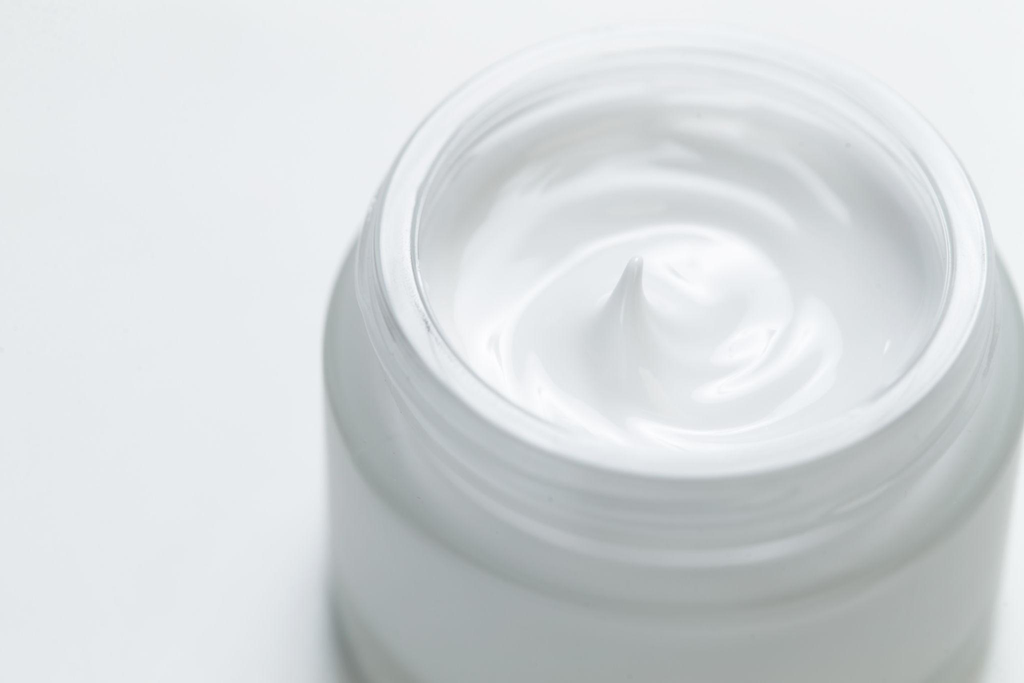
Using a suitable moisturiser is one of the most effective ways to manage dry skin in winter.
Dermatologists commonly recommend emollients because they soften the skin, reduce moisture loss and help protect its natural barrier.
Look for moisturisers containing:
- Ceramides: Help support and restore the skin’s protective barrier.
- Hyaluronic acid: Helps attract and retain water in the skin.
- Glycerin: Acts as a humectant, drawing moisture into the outer skin layer.
- Petrolatum: Creates a protective layer that reduces water loss.
- Shea butter: Helps soften rough and dry skin.
Choose a fragrance-free cream or ointment if your skin is particularly sensitive.
Creams are generally convenient for everyday use, while thicker ointments can be useful for very dry or rough areas.
The NHS recommends applying emollients regularly and choosing a suitable formulation according to your skin’s needs. NHS+1
2. Avoid Long, Hot Showers

A long, hot shower can remove natural oils from the skin, making winter dryness worse.
Instead:
- Use lukewarm rather than very hot water.
- Keep showers relatively short.
- Avoid harsh soaps and heavily fragranced shower gels.
- Choose gentle, fragrance-free cleansers.
- Pat your skin dry with a soft towel instead of rubbing.
Apply moisturiser immediately after showering while your skin is still slightly damp.
This helps reduce moisture loss and keeps the skin feeling softer.
3. Apply Moisturiser Several Times a Day
Applying moisturiser once in the morning may not be enough when the weather is particularly cold or dry.
For better protection:
- Moisturise your face after washing.
- Apply hand cream after washing your hands.
- Use body moisturiser after bathing.
- Reapply whenever your skin feels tight or dry.
- Keep a small moisturiser with you when travelling.
The NHS advises applying emollients frequently, ideally at least three or four times daily when needed. NHS+1
Consistency is more important than purchasing expensive skincare products.
4. Protect Your Hands and Lips

Your hands and lips are particularly vulnerable to winter dryness because they are frequently exposed to cold air and environmental irritants.
For dry hands:
- Apply a thick hand cream after washing.
- Wear gloves outdoors.
- Use protective gloves when washing dishes or handling cleaning products.
- Apply a thicker moisturiser before bedtime.
For dry lips:
- Use a fragrance-free lip balm.
- Choose products containing petrolatum or similar protective ingredients.
- Avoid repeatedly licking your lips.
- Reapply balm throughout the day.
If your lips become persistently cracked, painful or inflamed, speak to a pharmacist or GP.
5. Use a Humidifier if Indoor Air Is Very Dry
Central heating can make indoor air uncomfortable for people with dry or sensitive skin.
A humidifier may help increase indoor humidity and reduce excessive dryness.
Consider these precautions:
- Clean the humidifier regularly.
- Follow the manufacturer’s maintenance instructions.
- Avoid excessive humidity that encourages mould growth.
- Keep your room comfortably ventilated.
A humidifier is an optional supportive measure rather than a replacement for regular moisturising.
6. Continue Using Sunscreen During Winter

Many people associate sunscreen with summer, but UV exposure can still affect skin during winter.
Use a broad-spectrum sunscreen with at least SPF 30 when your skin is exposed to daylight, particularly during outdoor activities.
If you have dry skin, choose a moisturising sunscreen that feels comfortable and does not irritate your skin.
For more detailed advice, explore our guide to the best sunscreens for UK skin types.
Best Skincare Ingredients for Dry Skin in Winter
Choosing skincare ingredients that support the skin barrier can make a noticeable difference.
The following ingredients have different benefits depending on your skin’s needs.
| Ingredient | Main benefit |
|---|---|
| Ceramides | Support the skin barrier |
| Glycerin | Attracts moisture |
| Hyaluronic acid | Helps retain water |
| Petrolatum | Reduces moisture loss |
| Shea butter | Softens rough skin |
| Colloidal oatmeal | Can soothe irritated skin |
| Urea | Helps soften rough, dry skin |
Which ingredient is best?
For very dry skin, a thick moisturiser containing petrolatum or ceramides may be useful. For everyday hydration, glycerin and hyaluronic acid can be helpful.
If your skin is cracked, inflamed or unusually sensitive, ask a pharmacist or dermatologist before introducing several new products.
Winter Skincare Routine for Dry Skin
A simple daily routine can help protect your skin throughout the colder months.
Morning skincare routine
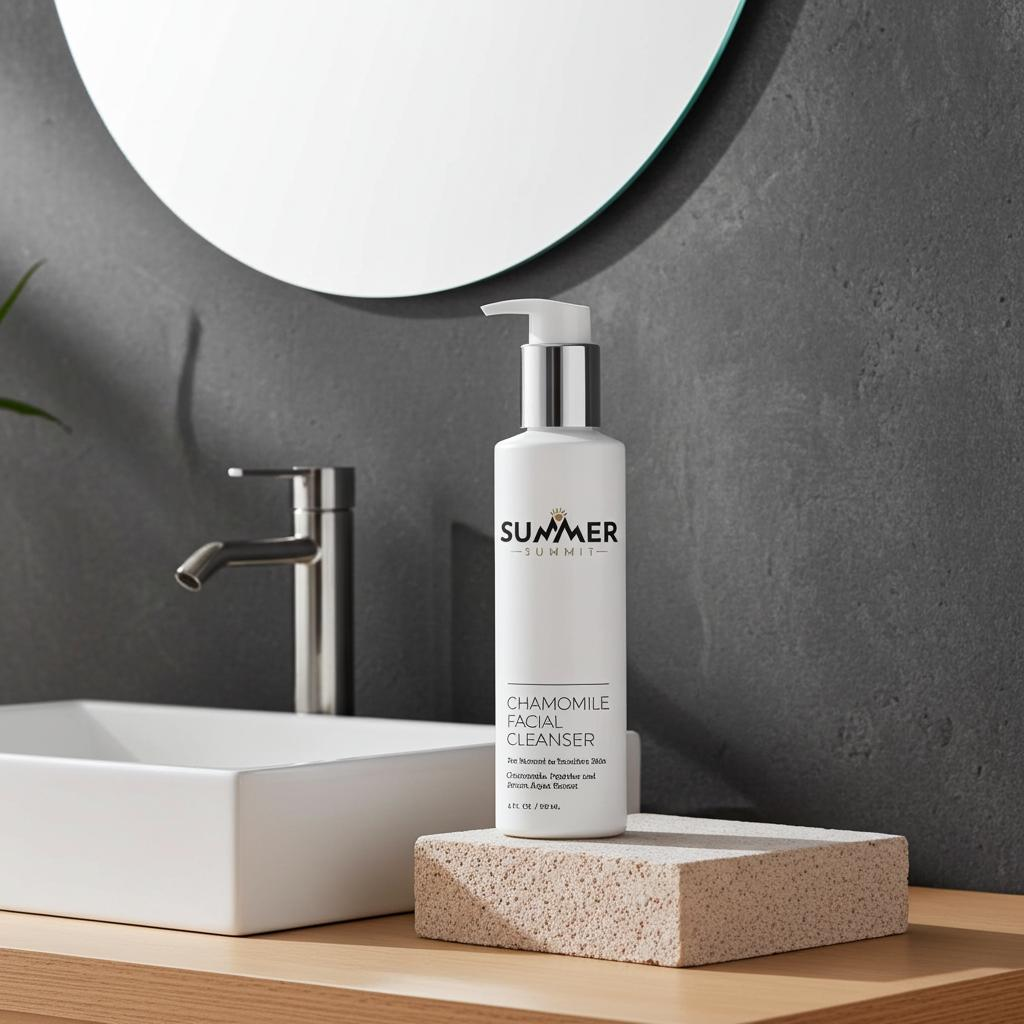
Step 1: Gentle cleansing
Wash your face using lukewarm water and a gentle cleanser.
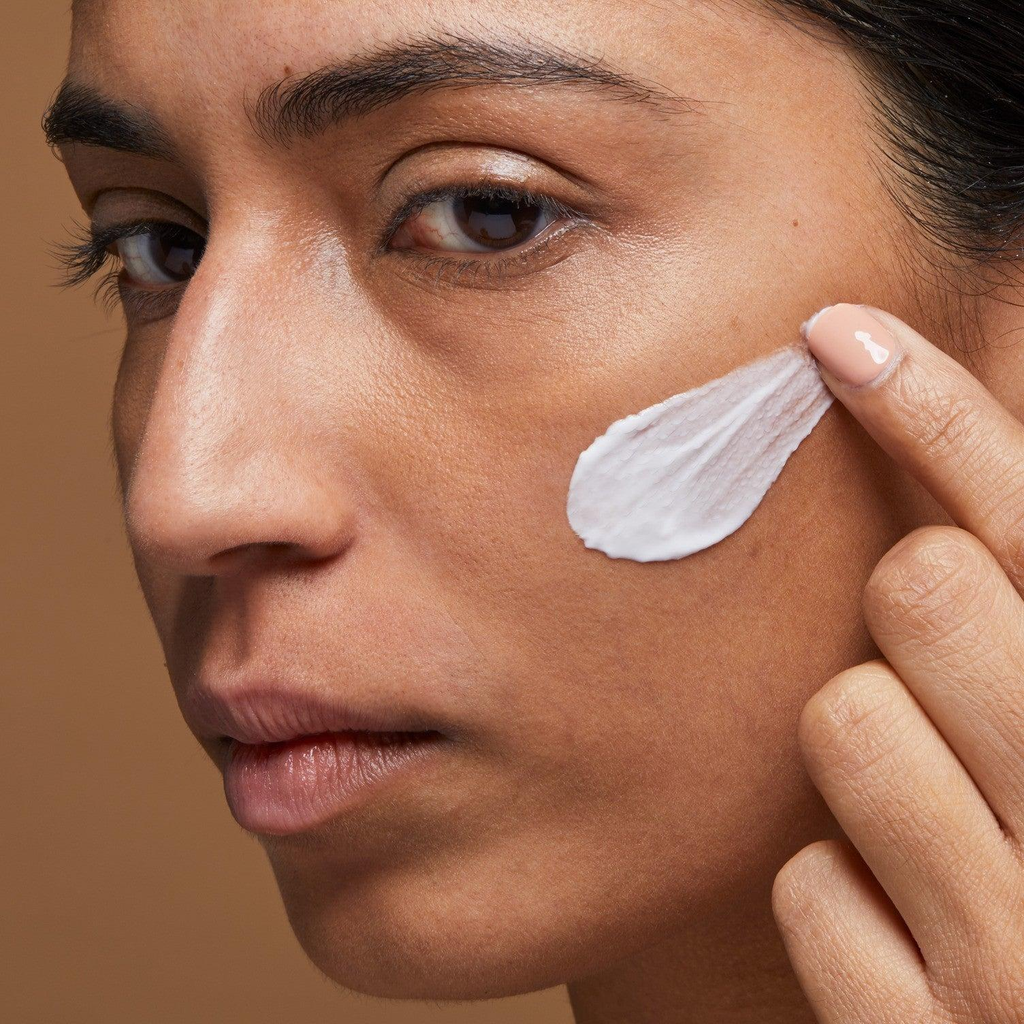
Step 2: Moisturising
Apply a fragrance-free moisturiser to slightly damp skin.
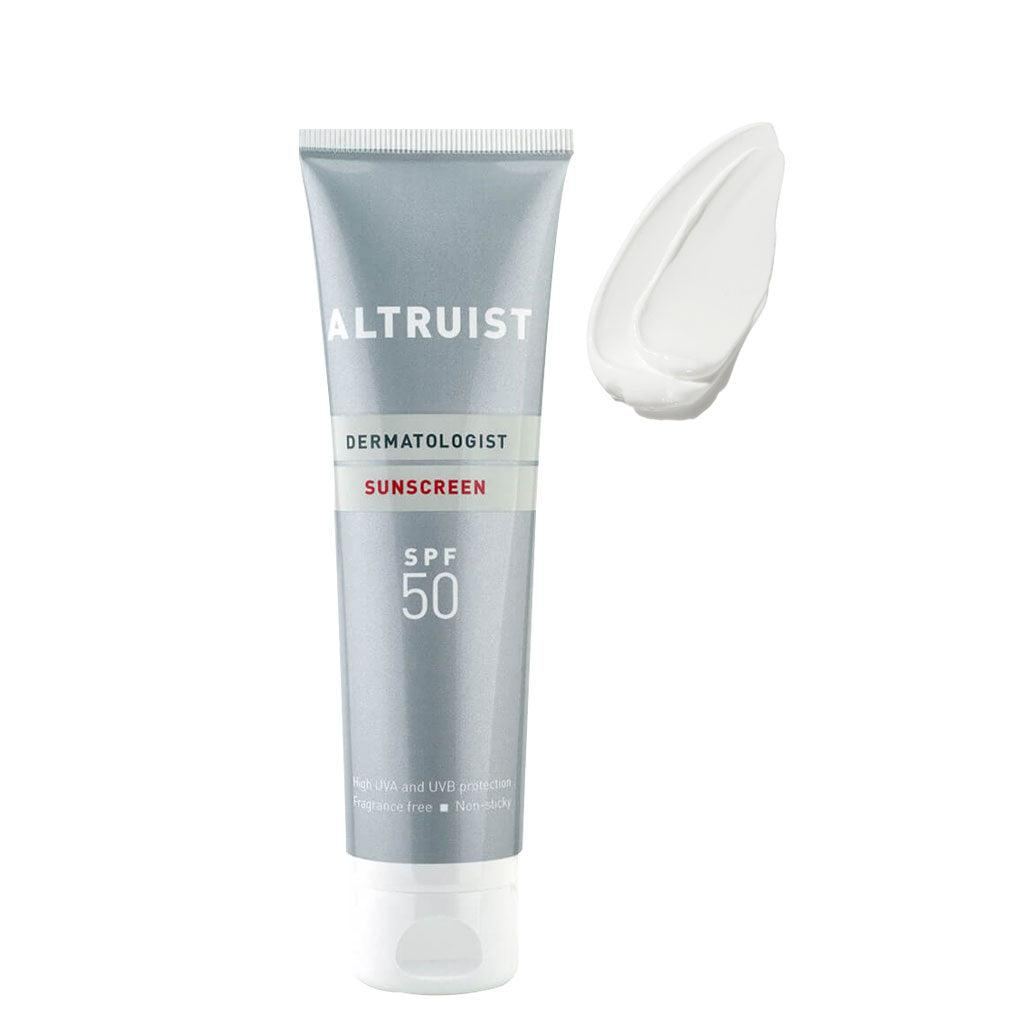
Step 3: Sun protection
Finish with broad-spectrum SPF 30 or higher when exposed to daylight.
Evening skincare routine
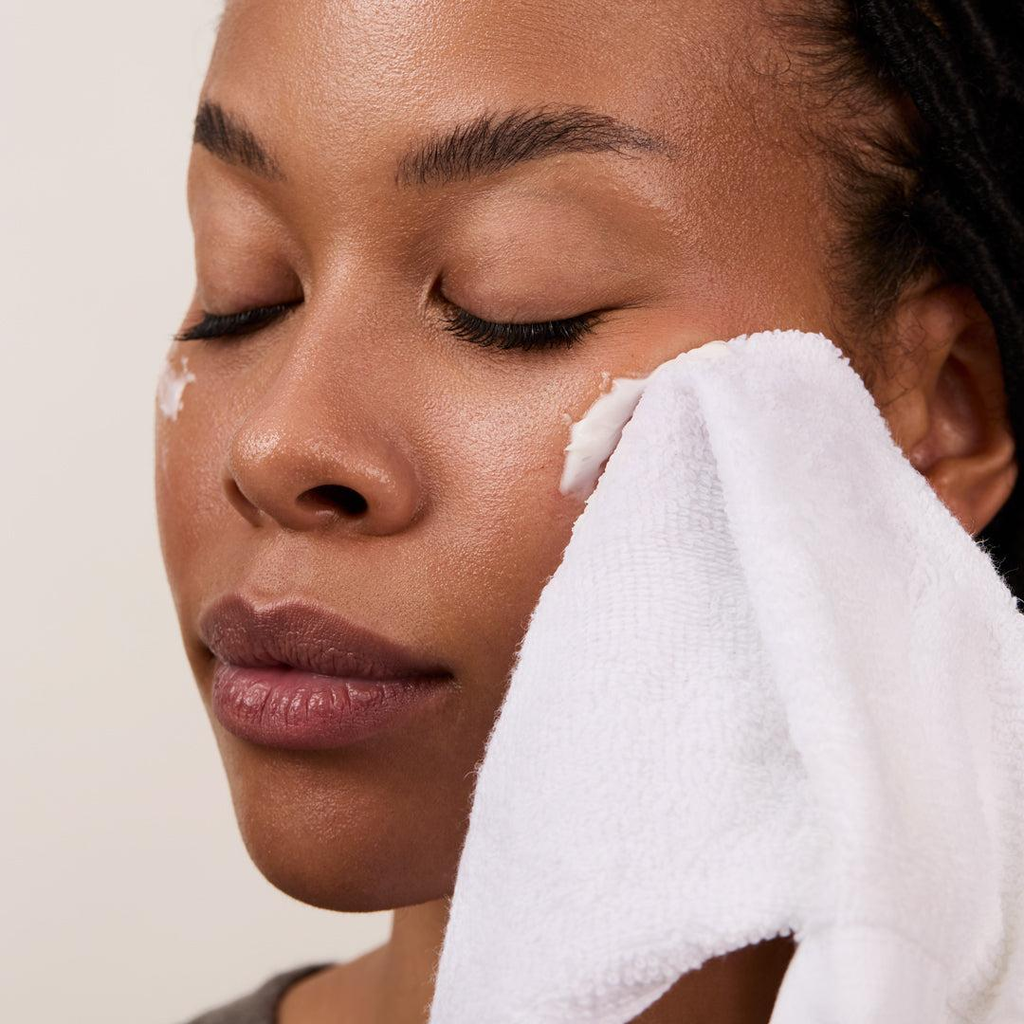
Step 1: Remove dirt and sunscreen
Use a gentle cleanser without harsh exfoliating ingredients.
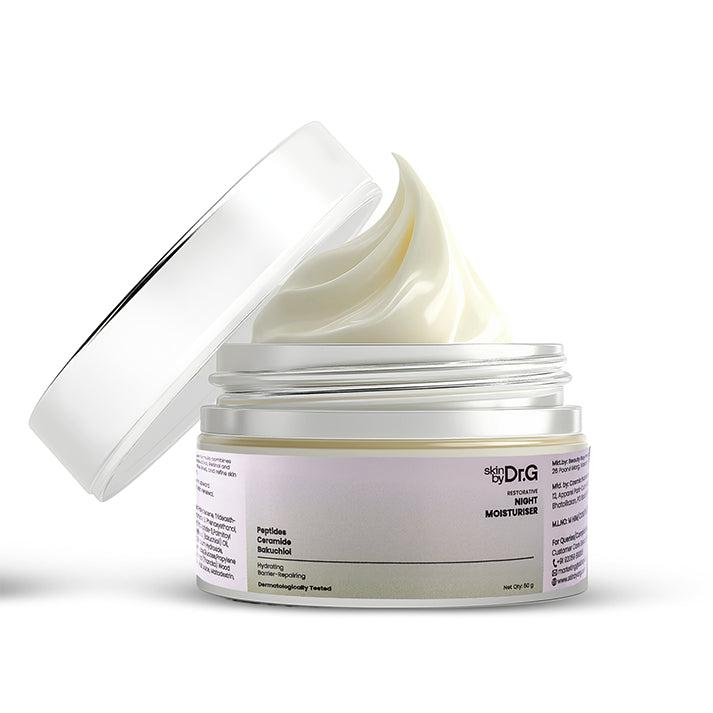
Step 2: Apply a richer moisturiser
Use a thicker cream or ointment on particularly dry areas.
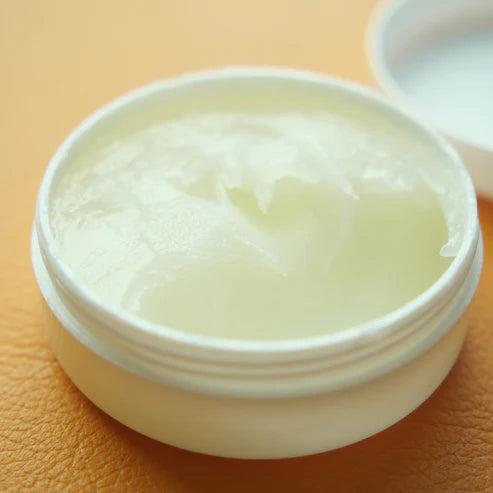
Petroleum Jelly | Skin Protectant & Moisturizer – EZ Elements
Step 3: Protect very dry patches
Consider a thin layer of petrolatum on suitable dry areas to reduce moisture loss.
You do not need an expensive 10-step skincare routine. A gentle cleanser, appropriate moisturiser and sunscreen are a sensible starting point.
Common Winter Skincare Mistakes to Avoid
Some everyday habits can make dry skin worse, even when you use moisturiser regularly.
| Common mistake | What to do instead |
|---|---|
| Taking very hot showers | Use lukewarm water |
| Using harsh soaps | Choose gentle cleansers |
| Skipping moisturiser | Moisturise consistently |
| Over-exfoliating | Reduce exfoliation |
| Using heavily fragranced products | Choose fragrance-free alternatives |
| Scratching itchy skin | Apply moisturiser and seek advice if itching persists |
| Ignoring cracked skin | Protect the area and seek medical advice if it worsens |
Avoid introducing multiple active skincare ingredients at the same time. Retinoids, strong exfoliating acids and some acne treatments can cause additional dryness or irritation.
If you already use these products, consider discussing your routine with a pharmacist or dermatologist.
Is Winter Dry Skin a Sign of Eczema or Another Skin Condition?
Most mild winter dryness can be managed with moisturisers and changes to daily skincare habits.
However, persistent or severe dryness may sometimes indicate an underlying skin condition.
Dry Skin vs Eczema
Ordinary dry skin often causes roughness, tightness and mild flaking.
Eczema can cause additional symptoms, including:
- Persistent itching.
- Red or inflamed patches.
- Cracked or broken skin.
- Thickened areas caused by repeated scratching.
- Flare-ups that come and go.
Learn more in our guide to eczema flare-ups.
Dry Skin vs Psoriasis
Psoriasis is a long-term inflammatory skin condition that can cause raised patches covered with silvery scales.
These patches commonly appear on the elbows, knees, scalp and lower back.
Read our article about psoriasis treatment in the UK to understand available treatment options.
Dry Skin vs Rosacea
Rosacea mainly affects the face and can cause redness, visible blood vessels, burning sensations and sensitive skin.
Cold weather, wind and sudden temperature changes can aggravate symptoms in some people.
Our guide to rosacea causes and treatment in the UK explains how to recognise and manage this condition.
When Should You See a GP or Dermatologist?
You should consider speaking to a GP or pharmacist if your dry skin:
- Does not improve despite regular moisturising.
- Becomes increasingly itchy or painful.
- Develops deep cracks or bleeding.
- Shows signs of infection, such as pus, increasing warmth or swelling.
- Spreads or develops unexplained inflammation.
- Interferes with sleep or everyday activities.
Seek prompt medical advice if you develop rapidly worsening redness, significant pain, spreading warmth or fever.
A GP can assess your symptoms and determine whether you have ordinary dry skin, eczema, contact dermatitis or another condition.
Depending on the cause, treatment may include prescription emollients, topical corticosteroids or other dermatological treatments.
If you notice a new or changing skin lesion alongside your dryness, do not assume it is simply a winter skin problem. Read our guide on how to check for skin cancer.
Frequently Asked Questions (FAQs)
1. Why does my skin become so dry in winter?
Cold temperatures, low humidity, harsh winds and indoor central heating can increase moisture loss from your skin. Hot showers and harsh cleansing products can also weaken the skin barrier.
2. What is the best moisturiser for dry skin in winter?
A fragrance-free moisturising cream or ointment containing ceramides, glycerin or petrolatum can help protect dry skin. Ointments are particularly useful for very dry areas.
3. How often should I moisturise during winter?
Apply moisturiser at least two to four times daily, or whenever your skin feels dry. Apply it immediately after bathing or washing while your skin is slightly damp.
4. Is Vaseline good for dry skin?
Yes. Vaseline, which contains petrolatum, forms a protective layer that reduces moisture loss. It can be useful on dry lips, hands and small patches of rough skin.
5. Can cold weather make eczema worse?
Yes. Cold air, low humidity, indoor heating and frequent exposure to irritating products can aggravate eczema symptoms. Regular emollient use can help protect the skin barrier.
6. Should I exfoliate dry skin during winter?
Exfoliation is not essential for managing dry skin. Avoid harsh scrubs and excessive exfoliation, particularly if your skin is irritated, cracked or inflamed.
7. Is sunscreen necessary during winter in the UK?
Yes. UV exposure does not disappear during winter. Broad-spectrum sunscreen with at least SPF 30 is useful when your skin is exposed to daylight.
8. When should I see a dermatologist for dry skin?
Seek medical advice if dryness persists despite regular moisturising, becomes painful, causes bleeding or develops signs of infection. A dermatologist may be needed if an underlying skin condition is suspected.
Conclusion
Dry skin in winter is common across the UK, but the right skincare routine can make a significant difference. Using fragrance-free moisturisers, avoiding hot showers, protecting your hands and lips and maintaining regular sun protection can help keep your skin comfortable throughout colder months.
The most important step is to maintain a healthy skin barrier through consistent moisturising and gentle skincare habits.
If your symptoms persist, become painful or develop signs of inflammation, consult a GP or dermatologist rather than relying on moisturisers alone.