

Braces for adults in the UK are available in several forms, including traditional metal braces, discreet ceramic braces, lingual braces and removable clear aligners. Whether you want to close gaps, straighten crowded teeth or improve your bite, the right treatment depends on your dental health, orthodontic needs, budget and lifestyle.
Adult teeth can be moved safely with professionally planned orthodontic treatment, provided your teeth and gums are healthy enough. However, prices vary considerably, and most adults should expect to pay privately because NHS orthodontic treatment is generally limited to eligible younger patients and exceptional adult cases.
In this guide, HealthCresto explains the main types of adult braces, typical UK private treatment costs for 2026, NHS eligibility, treatment duration and how to choose a suitable orthodontist.
Quick answer: How much do adult braces cost in the UK?
Private adult braces in the UK can cost approximately £1,800 to £10,000 or more, depending on the appliance, complexity of treatment and dental practice. Clear aligners can fall within a similar broad range to other orthodontic options.
These are indicative planning estimates, not regulated national prices or guaranteed quotations. Actual fees vary between providers. Dentists Closeby+2
| Type of adult braces | Indicative private cost | Main advantage |
|---|---|---|
| Traditional metal braces | £1,800–£5,000 | Effective for many types of tooth movement |
| Ceramic braces | £2,500–£6,500 | Less noticeable tooth-coloured brackets |
| Lingual braces | £4,000–£10,000+ | Fitted behind the teeth |
| Clear aligners | £1,500–£5,500 | Removable and relatively discreet |
| Limited or short-course treatment | Varies by case | May suit selected minor alignment problems |
Prices are broad estimates for UK private treatment in 2026. Limited treatment may cost less than comprehensive orthodontics, but it is not suitable for everyone. Confirm whether your quotation covers both arches, appointments, refinements and retainers.
What are adult braces?
Adult braces are orthodontic appliances that gradually move teeth into improved positions. They can help correct crowded teeth, gaps, certain bite problems and tooth misalignment.
Unlike children and teenagers, adults have fully developed jaws. This does not prevent tooth movement, but it means treatment planning must account for existing dental work, gum health, bone support and any previous tooth loss.
An orthodontist may recommend treatment to improve:
- Crowded or overlapping teeth.
- Gaps between teeth.
- Overbites, underbites and crossbites.
- Teeth that make biting or chewing difficult.
- Certain alignment problems that make oral hygiene harder.
- The appearance and balance of your smile.
Orthodontic treatment is not purely cosmetic in every case. Correcting a bite or improving tooth alignment may help with function and cleaning, although braces do not guarantee that future dental problems will be prevented. nhs.uk+1
If you are considering other dental treatments alongside orthodontics, read HealthCresto’s guide to how to whiten teeth safely. Whitening is usually best discussed with your dentist after alignment treatment, when appropriate.
Types of braces for adults in the UK
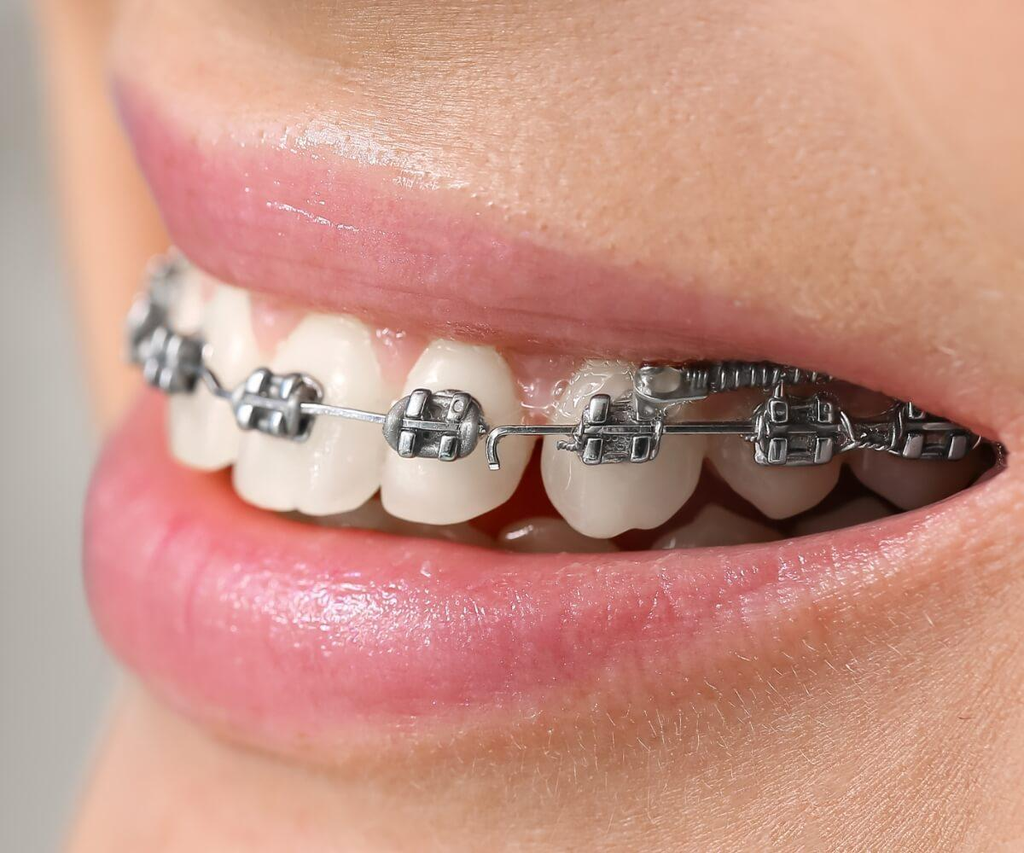
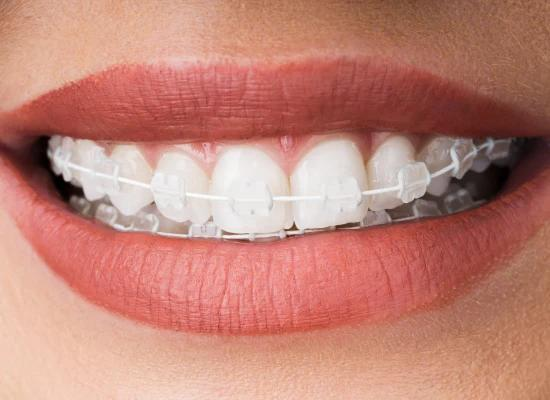
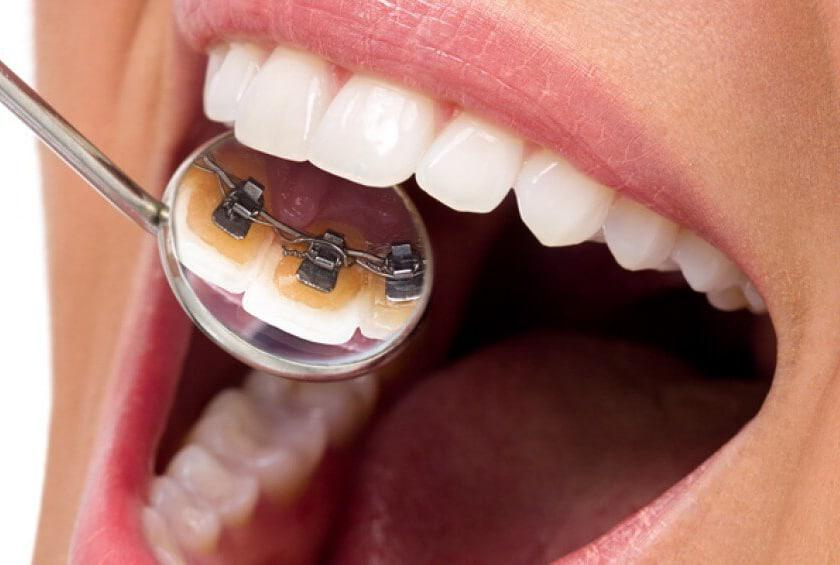
There is no single best option for every adult. The most suitable braces depend on the movements required, how visible you want the appliance to be, your willingness to follow instructions and the overall treatment budget.
1. Traditional metal braces
Metal braces use small brackets attached to the teeth and connected by orthodontic wires. The orthodontist adjusts the system over time to guide teeth into their planned positions.
Advantages
- Suitable for many straightforward and complex alignment problems.
- Fixed to the teeth, so treatment does not depend on remembering to wear removable trays.
- Often among the more affordable comprehensive orthodontic options.
Disadvantages
- More visible than clear alternatives.
- Can cause temporary soreness, rubbing or irritation.
- Food can become trapped around brackets and wires, requiring careful cleaning.
Typical UK cost: £1,800–£5,000.
Metal braces may be worth considering if your priority is comprehensive treatment and you are less concerned about visibility.
2. Ceramic braces
Ceramic braces work similarly to metal braces but use tooth-coloured or translucent brackets. They are designed to blend in with natural teeth.
Advantages
- Less conspicuous than conventional metal brackets.
- Fixed in place throughout treatment.
- Can treat many alignment problems that require fixed braces.
Disadvantages
- Generally more expensive than metal braces.
- Brackets may chip or break.
- Some components can stain or become discoloured, depending on their material and your habits.
Typical UK cost: £2,500–£6,500.
Ceramic braces may suit adults who want a less noticeable fixed appliance for work, meetings or social occasions.
3. Lingual braces
Lingual braces are fitted to the inner surfaces of the teeth, facing the tongue. This makes them difficult to see from the front.
Advantages
- Largely hidden when you smile.
- Fixed rather than removable.
- Can be suitable for selected complex alignment requirements.
Disadvantages
- Often among the most expensive options.
- May initially affect speech or irritate the tongue.
- Cleaning and adjustments can be more challenging.
Typical UK cost: £4,000–£10,000 or more.
Lingual braces are worth discussing if discretion is a high priority and your budget allows for specialist treatment.
4. Clear aligners
Clear aligners are custom-made, transparent trays that gradually move teeth. You usually change to a new set according to your clinician’s instructions.
Advantages
- Less noticeable than most fixed braces.
- Removable for meals, brushing and flossing.
- No fixed brackets or wires to clean around.
Disadvantages
- Must usually be worn for around 20–22 hours a day, or as directed by your provider.
- Can be misplaced or damaged.
- Some cases require additional aligners or attachments.
- Not suitable for every complex bite or tooth movement.
Typical UK cost: £1,500–£5,500.
Clear aligners can be a convenient option for adults who can follow the prescribed wearing schedule. However, suitability should be assessed by a qualified dental professional rather than decided solely on appearance or online advertising.
5. Limited or short-course orthodontic treatment
Some adults only want to address a small amount of visible crowding or spacing. A dentist or orthodontist may offer a limited course of treatment for selected cases.
However, moving only the front teeth may not correct an underlying bite problem. A shorter treatment plan is not automatically safer, more effective or better value.
Ask whether the proposed treatment addresses your actual dental concerns and what limitations you may have after completion.
For further information about available appliances and treatment planning, consult the British Orthodontic Society’s adult orthodontics guidance. British Orthodontic Society (BOS)+1
Adult braces cost UK: What affects the price?
The price of braces for adults in the UK depends on more than the type of appliance. Two people choosing the same braces may receive different quotes because their teeth, bite and treatment goals differ.
The main factors include:
- Complexity: Severe crowding, difficult bite correction or complicated tooth movements may require more appointments and a longer course of treatment.
- Type of braces: Lingual braces and some ceramic systems typically cost more than conventional metal braces.
- Treatment length: Longer treatment can affect fees, especially if additional appointments or appliances are required.
- Location: Practices in expensive areas, particularly central London, may charge more than those elsewhere.
- Clinician expertise: Specialist orthodontic care and particular treatment systems may carry different fees.
- Additional services: X-rays, digital scans, extractions where clinically necessary, replacement appliances and retainers may affect the total.
Example treatment budget
Illustrative private orthodontic budget
Initial consultation and assessment
£0–£250
Indicative allowance; some providers charge more or include it in the treatment fee.
Comprehensive braces treatment
£2,500–£5,000
Example budget for a mid-range private treatment, not a fixed national price.
Retainers and aftercare allowance
£100–£400+
May be included in the package or charged separately.
Potential total planning budget
£2,600–£5,650+
This example illustrates how additional fees can affect the total. Obtain an itemised quote before committing to treatment.
When comparing quotes, ask whether the price includes initial scans, all adjustment visits, emergency appointments, replacement brackets, refinements, retainers and post-treatment reviews. Do not assume that every practice includes the same services.
Can adults get free braces on the NHS?
NHS braces for adults are not routinely available, particularly when the main aim is cosmetic improvement. NHS orthodontic treatment is generally provided to eligible patients under 18 who meet clinical criteria. Adults may occasionally qualify when there is a significant clinical need and the relevant NHS commissioning arrangements approve treatment. NHSBSA FAQs+1
Eligibility depends on the circumstances, not simply whether a person wants straighter teeth.
When might NHS orthodontic treatment be considered?
Adult NHS orthodontics may be considered in exceptional situations involving substantial functional or clinical problems. Severe bite abnormalities and cases requiring coordinated hospital treatment may warrant specialist assessment.
However, a referral does not guarantee NHS-funded braces. Local service availability and commissioning decisions also matter.
If you are concerned about access to NHS dental care, HealthCresto’s guides can help you understand the system:
- How to find an NHS dentist in 2026
- NHS dental charges in England: 2026 price guide
- Dental emergency: How to get same-day NHS treatment
These resources cover access to dental services and charges, but routine NHS dental treatment and orthodontic eligibility are separate matters.
How to explore NHS eligibility
- Arrange a dental assessment with your dentist.
- Explain whether you have problems with chewing, your bite, tooth positioning or oral hygiene.
- Ask whether specialist orthodontic assessment is appropriate.
- If a referral is recommended, ask whether your case could meet local NHS funding criteria.
- If NHS treatment is unavailable, request information about private alternatives and their full costs.
For further guidance, visit the NHS braces and orthodontics page.
Private braces vs NHS braces for adults
| Feature | NHS orthodontics | Private orthodontics |
|---|---|---|
| Adult eligibility | Exceptional cases; clinical need and approval matter | Available to adults who are suitable and can pay |
| Treatment choice | Depends on NHS clinical arrangements and available services | Usually a wider choice of appliances |
| Cost | Depends on eligibility and applicable NHS arrangements | Set by the provider and treatment plan |
| Waiting time | May involve referral and waiting lists | Depends on consultation availability and provider capacity |
| Cosmetic-only treatment | Generally not funded | May be offered when clinically suitable |
| Treatment planning | Based on clinical need and NHS criteria | Tailored to clinical needs, preferences and budget |
Private treatment is not automatically better clinically, and NHS treatment is not necessarily inferior. The right route depends on your dental needs, eligibility, local provision and financial circumstances.
How long do adult braces take?
Adult orthodontic treatment commonly takes around 12 months to 2.5 years, although some simpler cases may finish sooner and complex cases can take longer. The precise duration depends on the amount of tooth movement required and how well treatment progresses. nhs.uk+1
Typical planning estimates are:
| Treatment | Approximate duration |
|---|---|
| Limited alignment treatment | A few months to around 12 months in selected cases |
| Comprehensive fixed braces | Around 12–30 months |
| Clear aligners | Around 6–24 months or longer |
| Complex bite correction | May take several years |
These are general estimates rather than guaranteed treatment times.
Factors that can influence the duration include:
- The severity of crowding or bite problems.
- Whether one or both dental arches need treatment.
- Gum and tooth health before treatment begins.
- Missed adjustment appointments.
- Broken brackets or lost aligners.
- Whether aligners are worn as instructed.
- The need for refinements or additional treatment.
Your orthodontist should explain the expected timeline and what could cause delays before you start.
Are adult braces painful?
Braces can cause temporary discomfort, especially after they are first fitted or adjusted. You may experience pressure, tenderness when chewing or irritation where the appliance touches the inside of your mouth.
Symptoms often improve as you adapt to the appliance. The experience varies from person to person.
To manage routine discomfort:
- Choose softer foods when your teeth feel tender.
- Follow your orthodontist’s advice about cleaning and appliance care.
- Use orthodontic wax if recommended for rubbing brackets.
- Ask your dentist or pharmacist about suitable pain relief if needed.
- Contact your dental practice if pain is severe, persistent or associated with swelling.
A broken wire, loose bracket or damaged aligner should be assessed according to your orthodontist’s advice. Seek urgent dental care for significant swelling, uncontrolled bleeding, severe injury or other concerning symptoms.
For urgent dental guidance, see HealthCresto’s emergency dentist guide for the UK.
How to care for your teeth while wearing braces
Good oral hygiene is essential during orthodontic treatment. Plaque can collect around brackets and wires, increasing the risk of tooth decay, gum inflammation and white marks on the teeth.
A consistent daily routine helps protect your teeth and gums.

Brush thoroughly twice a day
Use fluoride toothpaste and brush carefully around every bracket, along the gumline and across all accessible tooth surfaces. Follow your dental professional’s advice about the appropriate brush and fluoride strength.
Clean between your teeth
Interdental brushes or other suitable cleaning aids can help remove food and plaque around orthodontic appliances. Your dental team can demonstrate the correct technique.
Watch what you eat
Hard, sticky and very chewy foods can damage fixed braces. Cut suitable foods into smaller pieces and follow your orthodontist’s instructions.
Attend routine dental appointments
Orthodontic reviews do not replace ordinary dental check-ups. Continue to have your teeth and gums assessed as recommended.
Discuss whitening at the right time
Whitening while wearing fixed braces can produce uneven results because areas beneath brackets may not whiten in the same way as exposed enamel.
Before using whitening products, read Is teeth whitening safe? and ask your dentist when whitening would be appropriate.
How to choose the right adult braces
The most suitable treatment balances clinical effectiveness, appearance, convenience and cost.

Choose metal braces if cost and comprehensive treatment are priorities.
They are a well-established fixed option for many types of tooth movement and may be more affordable than less visible alternatives.
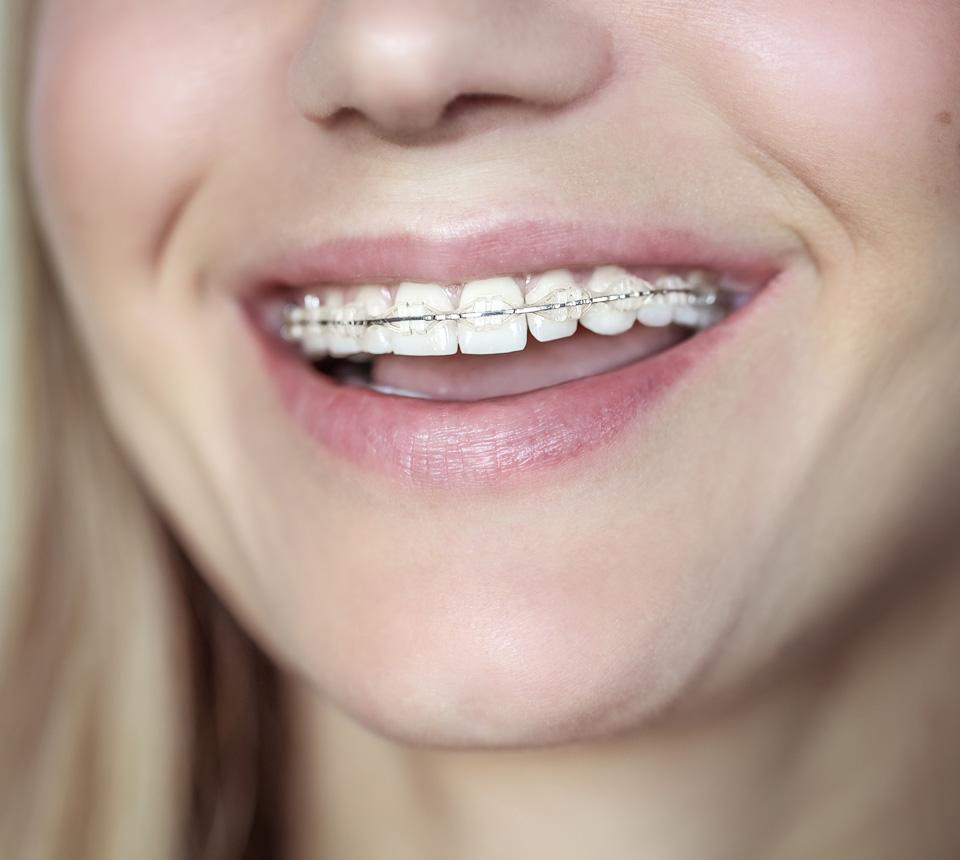
Choose ceramic braces if you prefer a less noticeable fixed appliance.
Ask about staining, breakage, maintenance and any price difference compared with metal braces.
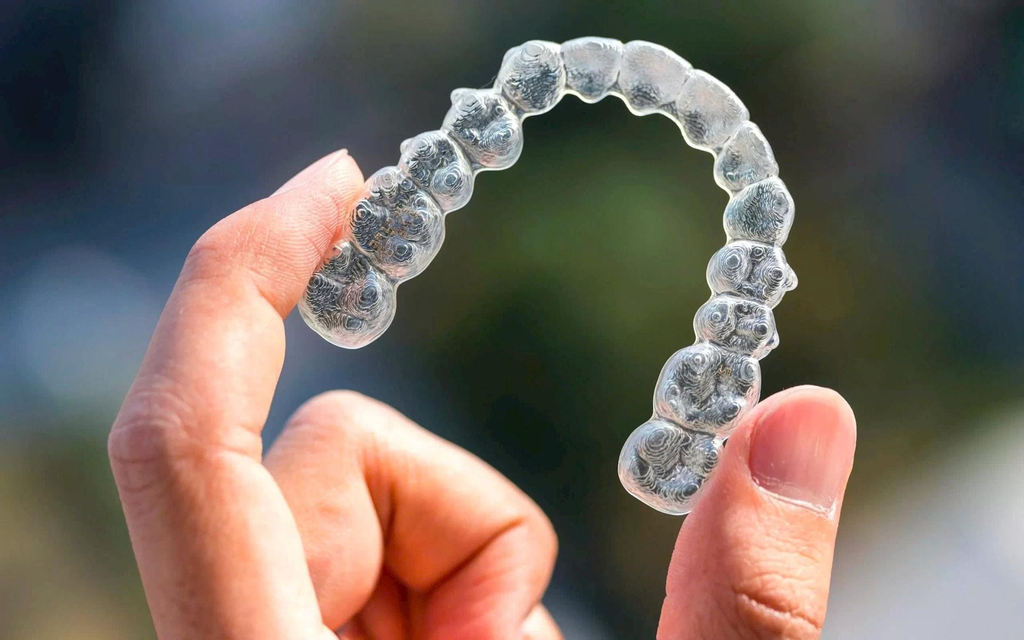
Consider clear aligners if removability and discretion matter.
They require consistent wear and are not suitable for every case. Your clinician should confirm whether they can achieve your intended result.
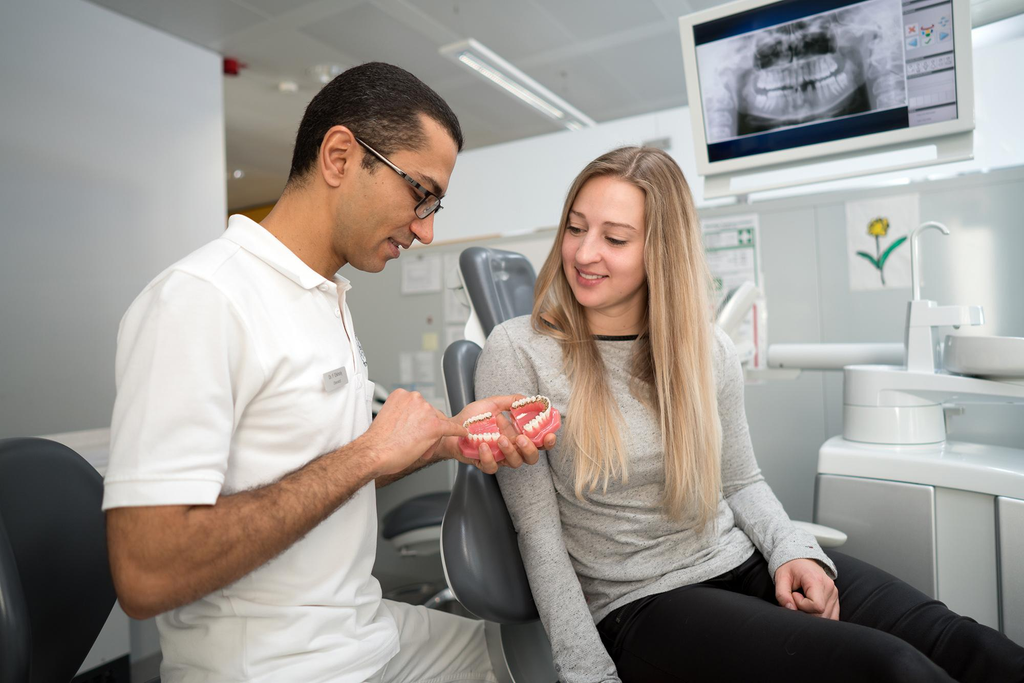
Consider lingual braces if you want a fixed appliance hidden from the front.
Discuss the higher potential cost, speech adjustment and whether this option suits your teeth.
Questions to ask before paying for treatment
Before choosing a provider, ask:
- Is the clinician a registered dentist, and do they have appropriate orthodontic training?
- What problems will the treatment correct, and what limitations remain?
- How long is treatment expected to take?
- What is the full price for the planned course?
- Are scans, adjustments, repairs and retainers included?
- What happens if treatment takes longer than expected?
- What finance terms, interest charges or cancellation fees apply?
- What aftercare will be available when the braces are removed?
You can find a suitable local provider through the British Orthodontic Society. If you are comparing private dental services, HealthCresto also has information about a private dentist in Croydon and Invisalign teeth straightening in Hanwell.
These local guides are useful starting points, but check each provider’s current services, suitability and fees directly.
What happens after adult braces are removed?
After active orthodontic treatment, you will usually need retainers to help keep your teeth in their new positions. Teeth can gradually shift after braces are removed, so retention is an important part of the overall treatment plan.
Ask how often you should wear your retainers, how to clean them and when they need replacing. Include these long-term costs in your budget rather than focusing only on the initial braces fee.
Your orthodontist may recommend removable retainers, fixed retainers or a combination, depending on your case.
Frequently asked questions about adult braces in the UK
How much do braces cost for adults in the UK in 2026?
Adult braces typically cost around £1,800–£5,000 for metal braces, £2,500–£6,500 for ceramic braces and £4,000–£10,000 or more for lingual braces. Clear aligners may cost approximately £1,500–£5,500. Actual prices depend on the treatment required and the provider.
Can adults get free braces on the NHS?
NHS orthodontic treatment is not routinely available to adults. Funding may be considered for exceptional cases involving significant clinical need, subject to the relevant eligibility criteria and NHS approval.
What is the cheapest type of braces for adults?
Traditional metal braces are often among the more affordable options for comprehensive treatment. However, the cheapest option depends on the complexity of your case, whether treatment involves one or both arches and what the quoted fee includes.
Are clear aligners better than traditional braces?
Neither option is best for everyone. Clear aligners are removable and discreet but require consistent wear. Fixed braces may be more suitable for certain complex tooth movements. A qualified clinician can recommend an appropriate option after examining your teeth and bite.
How long do adult braces take to work?
Many adult orthodontic treatments take approximately 12–30 months. Simpler cases may take less time, while complex bite problems can require longer treatment. Your orthodontist can provide an individual estimate.
Are adult braces worth the money?
Braces may be worthwhile if you want to improve tooth alignment, correct a bite problem or address certain functional concerns. The value depends on your treatment goals, clinical suitability, costs and expected benefits.
Can adults straighten their teeth without braces?
Yes. Clear aligners can straighten teeth in suitable cases without traditional fixed braces. However, not every alignment or bite problem can be treated effectively with aligners, so professional assessment remains important.
Do I need retainers after adult braces?
Usually, yes. Retainers help maintain tooth positions after active treatment. Your orthodontist will explain which type you need and how frequently to wear it.
Can I get braces if I have gum disease?
Active gum disease generally needs to be assessed and controlled before orthodontic treatment begins. Moving teeth when gum health is poor can increase the risk of complications. Your dentist should evaluate your gums and supporting tissues first.
Can I whiten my teeth while wearing braces?
Whitening during fixed-brace treatment is generally best avoided unless your dentist specifically advises otherwise. Brackets can cause uneven whitening, so discuss the appropriate timing with your dental professional.
Conclusion
Braces for adults in the UK offer several ways to improve tooth alignment, from conventional metal braces to ceramic, lingual and clear aligner systems. The right option depends on your clinical needs, preferred appearance, lifestyle and budget.
Private adult braces can cost from around £1,800 to £10,000 or more, while NHS-funded orthodontic treatment is uncommon for adults and depends on exceptional clinical circumstances and approval.