
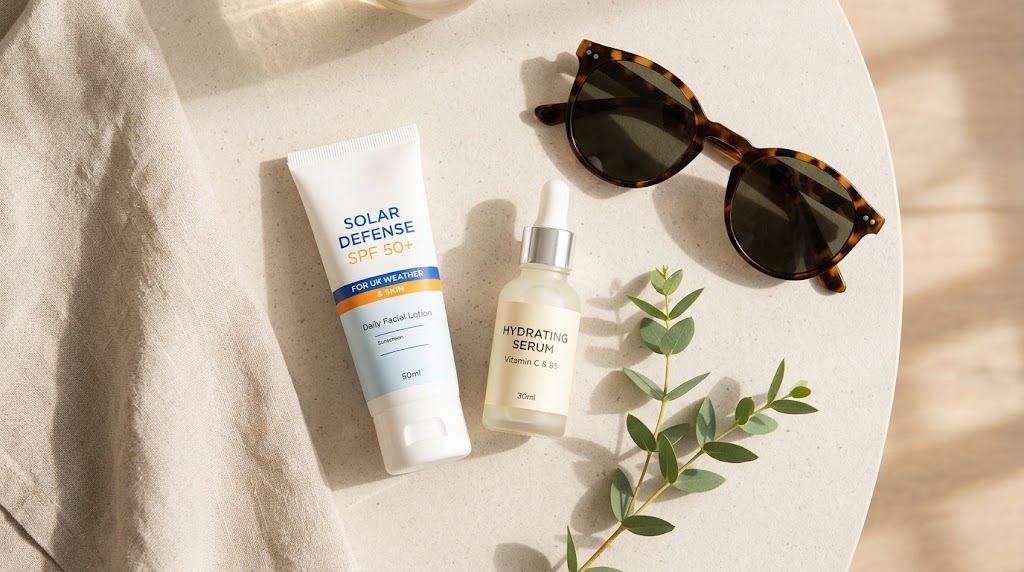
best sunscreens for UK skin types is not just about picking a high SPF. The right product should protect against UVA and UVB radiation, suit your skin type, feel comfortable enough for daily use and provide reliable protection when the weather changes.
Although the UK is known for cloudy skies and cooler temperatures, ultraviolet (UV) radiation can still damage your skin. You may need sun protection when walking to work, sitting outdoors, gardening or spending time in the park, even when the sun does not feel particularly strong. The NHS recommends sunscreen with at least SPF 30 and good UVA protection. NHS+1
The best sunscreen for you will depend on whether your skin is oily, dry, sensitive, acne-prone or affected by conditions such as rosacea or eczema. Your daily routine, outdoor activities and the UV index also matter.
In this guide, HealthCresto explains how to choose sunscreen for different UK skin types, understand SPF ratings and apply sun protection effectively throughout the year.
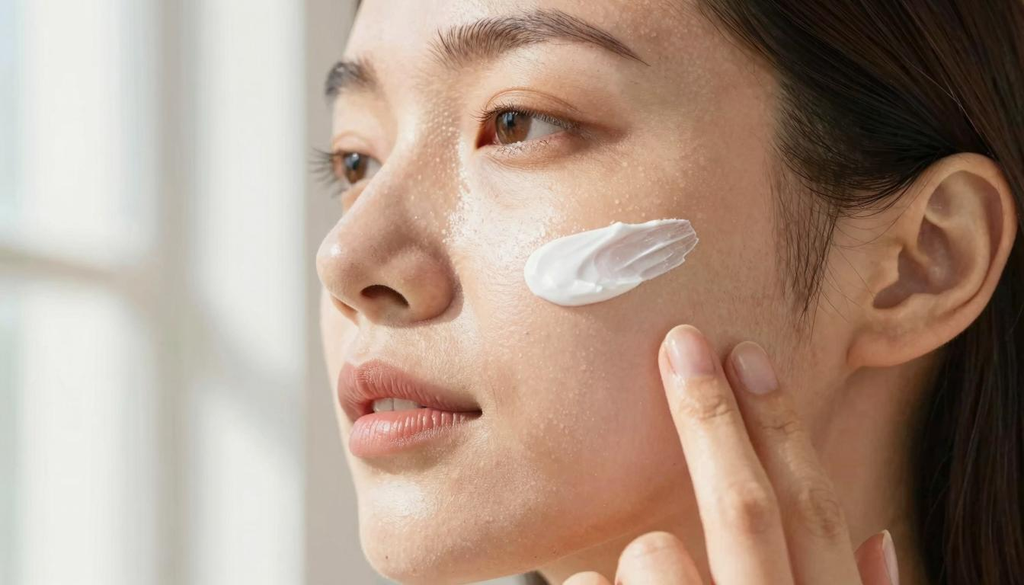
Quick answer: What is the best sunscreen for UK weather?
For most adults, a sunscreen with SPF 30 or higher, plus at least four-star UVA protection, is a sensible starting point. SPF 50 or 50+ can provide additional UVB protection and may be a useful choice for people who burn easily, spend extended periods outdoors or need extra protection.
The best formulation depends on your skin:
- Oily or acne-prone skin: Consider a lightweight, non-comedogenic gel, fluid or lotion.
- Dry skin: Choose a moisturising cream with ingredients that support the skin barrier.
- Sensitive skin: Look for fragrance-free formulations and consider mineral filters such as zinc oxide or titanium dioxide.
- Rosacea-prone skin: Choose gentle, fragrance-free sunscreen and avoid products that trigger flushing or stinging.
- Darker skin tones: Consider a tinted sunscreen if you want to minimise the white cast that some mineral products leave.
- Outdoor activities: Choose a water-resistant sunscreen when swimming or sweating, and reapply as directed.
Look for a clear UVA symbol in a circle or a UK UVA star rating of four or five stars. No single brand is best for everyone, and choosing a sunscreen you can apply generously and regularly is essential. NHS+3
1. Why is sunscreen important in the UK?
Sunscreen is often associated with summer holidays, beaches and hot weather. However, UV radiation is not determined by temperature alone. You can experience UV exposure on cool, windy or cloudy days.
The NHS identifies March to October as a period when people in the UK should take particular care, especially when the UV index is 3 or above. UV exposure varies according to the season, time of day, location and weather conditions. NHS+1
Regular sun protection helps reduce the risk of:
- Sunburn and skin inflammation.
- Premature skin ageing, including wrinkles and uneven pigmentation.
- UV-related skin damage.
- Skin cancer associated with excessive UV exposure.
People with darker skin tones can still develop sunburn and skin cancer. More melanin offers some natural protection, but it does not eliminate UV-related risks. Cancer Research UK+2
If you want to learn more about recognising suspicious skin changes, read HealthCresto’s guide to how to check for skin cancer.
2. SPF 30 vs SPF 50: Which should you choose?

SPF stands for Sun Protection Factor. It primarily measures protection against UVB radiation, which is a major cause of sunburn. UVA protection is assessed separately, so SPF alone does not tell you how well a sunscreen protects against both types of radiation.
| Feature | SPF 30 | SPF 50 or 50+ |
|---|---|---|
| UVB protection | High protection | Very high protection |
| Best suited for | Everyday use when adequately applied | People wanting additional UVB protection |
| Application | Must be applied generously | Must also be applied generously |
| Reapplication | Essential | Equally essential |
| UVA protection | Check the separate UVA rating | Check the separate UVA rating |
Both SPF 30 and SPF 50 can be appropriate when used correctly. SPF 50 does not mean you can stay outside twice as long, and neither rating makes sun exposure risk-free.
For everyday UK use, choose at least SPF 30 with four- or five-star UVA protection. Consider SPF 50+ if you burn easily, have particular photosensitivity concerns or expect prolonged outdoor exposure. Follow any specific advice from your healthcare professional. NHS+2
What does the UVA star rating mean?
The UK star system indicates the level of UVA protection relative to UVB protection. A higher rating indicates a better balance of UVA protection.
When shopping, check for:
- SPF 30 or higher.
- Four or five UVA stars, or a recognised UVA-in-circle symbol.
- Water resistance if you will be swimming or sweating.
- A suitable formulation for your skin type.
Do not confuse the SPF number with the UVA rating. Both are important when choosing sunscreen. NHS+1
3. Best sunscreen for different UK skin types
There is no single sunscreen that works best for every complexion. Start with the level of protection, then select a texture and formulation that suits your skin.
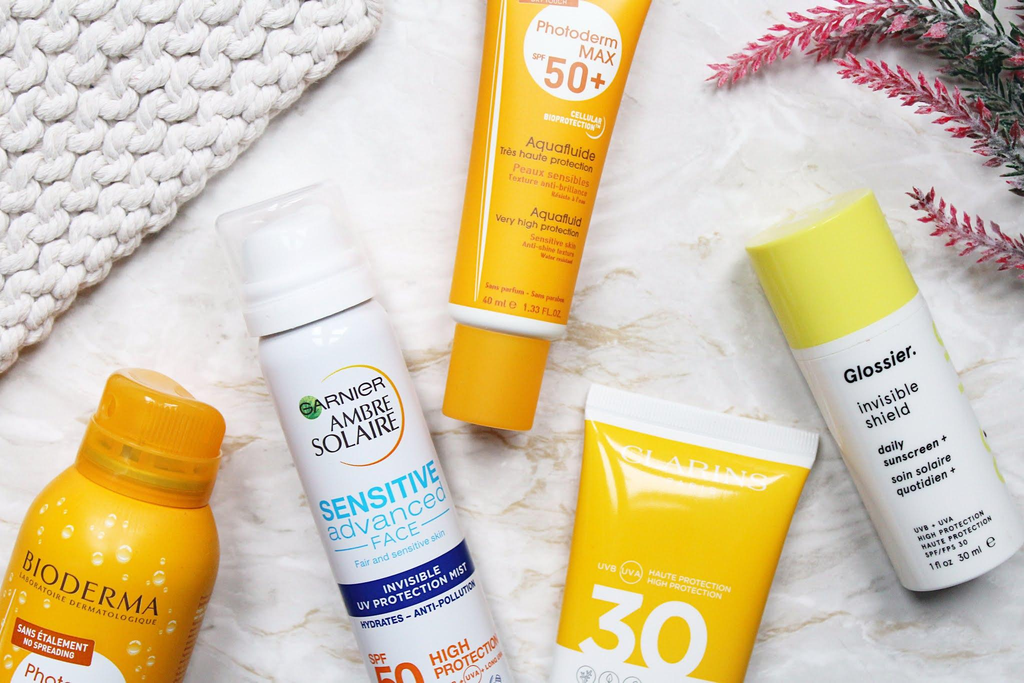
Best sunscreen for oily and acne-prone skin
If your skin becomes shiny during the day or you frequently experience blocked pores, a heavy or greasy sunscreen may feel uncomfortable.
Look for:
- Lightweight gel, fluid or lotion formulations.
- Products labelled non-comedogenic, meaning designed to minimise pore blockage.
- Fragrance-free options if your skin is easily irritated.
- A finish that works with your usual moisturiser and makeup.
Avoid assuming that every oil-free product is automatically non-comedogenic or that every mineral sunscreen is suitable for acne. Your skin’s response to the complete formulation matters.
For more skincare advice, see HealthCresto’s guide to acne in adults.
Best sunscreen for dry skin
Dry skin may feel tight, flaky or uncomfortable after cleansing. A richer sunscreen cream may be more comfortable than a very lightweight gel.
Consider a product containing moisturising ingredients such as glycerin or ceramides, provided you tolerate them well.
For a simple morning routine:
- Cleanse gently without scrubbing.
- Apply your usual moisturiser if needed.
- Apply sunscreen generously to exposed skin.
- Allow the products to settle before applying makeup.
If your skin is persistently dry, cracked or inflamed, sunscreen alone will not treat the underlying problem.
Best sunscreen for sensitive skin
Sensitive skin may sting, burn or become red after using certain skincare products. Fragrance, alcohols and some UV filters can irritate some people, although reactions vary.
Try the following:
- Choose a fragrance-free product.
- Consider mineral sunscreen containing zinc oxide, titanium dioxide or both.
- Introduce new products one at a time.
- Test a small area first if you have a history of reactions.
Mineral sunscreens can be a useful option, but they are not guaranteed to prevent irritation. Stop using a product that causes a persistent reaction and seek medical advice if symptoms continue.
Best sunscreen for rosacea
Sun exposure can trigger flushing and worsen symptoms in people with rosacea. A gentle sunscreen with SPF 30 or higher should form part of a regular sun-protection routine.
Look for fragrance-free products and consider zinc oxide or titanium dioxide if other formulations cause stinging. If your skin reacts to a product, try an alternative rather than repeatedly exposing your skin to the same trigger. British Association of Dermatologists+1
Read HealthCresto’s related guide to rosacea causes and treatment in the UK.
Best sunscreen for eczema-prone skin
People with eczema may find that some sunscreens sting, especially when the skin barrier is damaged during a flare-up.
Choose a fragrance-free sunscreen that you tolerate, and continue following your prescribed eczema treatment and moisturising routine.
Helpful tips include:
- Avoid applying a new product to severely inflamed or broken skin without professional advice.
- Try a small test area before wider use.
- Avoid fragranced products if they trigger your symptoms.
- Seek advice from a pharmacist or GP if you cannot find a suitable sunscreen.
Read more about eczema flare-ups and how to manage them.
Best sunscreen for darker skin tones
People with medium, olive, brown or deep skin tones may prefer sunscreen that does not leave a grey or white residue.
A tinted sunscreen may blend more naturally with your complexion. Some tinted formulations also contain iron oxides, which can help protect against visible light; this may be useful for people concerned about pigmentation. The level of protection depends on the product.
Remember that darker skin still needs protection against UVA and UVB radiation. Choose adequate SPF and UVA protection regardless of your complexion. American Academy of Dermatology+2
4. How UK weather affects your sunscreen choice
British weather can change quickly, but a grey sky does not automatically mean that sun protection is unnecessary.

Spring: Build a daily habit
UV levels can rise during spring, even when the air remains cool. Check the UV index before outdoor activities and apply sunscreen when protection is needed.
Summer: Prioritise consistent protection
Use sunscreen generously, seek shade during the strongest sunlight and wear protective clothing. Take extra care between 11 am and 3 pm, when the sun is generally strongest in the UK.
Autumn: Do not rely on temperature
Cooler conditions do not guarantee low UV exposure. Check the UV index and protect exposed skin when necessary.
Winter: Consider your exposure
UV levels are generally lower during a UK winter, but exposure can still matter in certain circumstances, including travel to sunny destinations or spending time at altitude. Follow the UV index and any specific medical advice.
What about cloudy or rainy days?
Clouds reduce some UV radiation, but they do not block it all. If the UV index is 3 or above, take protective measures even if the sky is overcast. For longer periods outdoors, combine sunscreen with shade and clothing. NHS+2
5. How to apply sunscreen correctly
Even a high-SPF product may offer less protection than expected if you apply too little, miss areas or fail to reapply.

Follow these steps for more reliable protection:
- Apply before exposure. Follow the product instructions. The NHS advises applying sunscreen before going outside and again just before leaving.
- Use enough. Apply a generous, even layer over all exposed skin.
- Cover commonly missed areas. Include your ears, neck, hairline, backs of hands and exposed scalp if your hair is thinning.
- Reapply regularly. As a general guide, reapply at least every two hours while outdoors.
- Reapply after swimming or sweating. Follow the product’s water-resistance instructions and reapply after towel drying.
- Do not rely on makeup SPF alone. Sunscreen in moisturiser or foundation may not be applied thickly enough to provide the labelled protection.
- Check the expiry date. Replace products that are expired or have deteriorated.
Water-resistant sunscreen can be useful during swimming or exercise, but no sunscreen should be treated as completely waterproof. NHS+2
6. Common sunscreen mistakes to avoid
Avoid these common mistakes if you want to make the most of your sun-protection routine.
- Choosing SPF without checking UVA protection: Look for SPF 30 or higher and at least four-star UVA protection.
- Using sunscreen only when it is sunny: UV exposure can occur in cloudy conditions.
- Applying too little: A thin layer reduces the protection you receive.
- Forgetting to reapply: Sunscreen can rub off, wash away or become less reliable during outdoor activities.
- Assuming dark skin does not burn: All skin tones can experience UV-related damage.
- Using sunscreen as your only protection: Combine it with shade, clothing and a suitable hat.
- Choosing a product that irritates your skin: Find an alternative formulation rather than ignoring a persistent reaction.
For further guidance, the NHS provides advice on sunscreen and sun safety. NHS+1
7. When should you seek medical advice about your skin?
Sunscreen can help protect your skin, but it does not replace medical assessment.
Speak to your GP if you notice a new or changing mole, an unusual growth, a sore that does not heal or a persistent skin change. A mole that changes in size, shape or colour deserves assessment, particularly if the change is new or unusual for you.
Seek advice if you repeatedly develop a rash, swelling or significant irritation after applying sunscreen. Sudden facial swelling or breathing difficulty following a product reaction requires emergency medical assistance.
You can learn more from HealthCresto’s guide to checking for skin cancer. NHS+1
Frequently asked questions about sunscreen in the UK
What is the best sunscreen for UK weather?
For most adults, choose SPF 30 or higher with four- or five-star UVA protection. SPF 50+ may suit people who burn easily or spend extended periods outdoors. Apply enough and reapply regularly.
Should I wear sunscreen on cloudy days in the UK?
Yes, when UV exposure warrants protection. Check the UV index and take protective measures when it is 3 or above, even if it is cloudy or cool.
Is SPF 50 better than SPF 30?
SPF 50 provides greater labelled protection against UVB when applied correctly. However, both require generous application and regular reapplication. Check UVA protection separately.
Which sunscreen is best for sensitive skin?
A fragrance-free formulation is a useful starting point. Mineral sunscreens containing zinc oxide or titanium dioxide may be better tolerated by some people with sensitive skin, although individual reactions vary.
What sunscreen is best for oily or acne-prone skin?
A lightweight, non-comedogenic gel, fluid or lotion may feel more comfortable and be less likely to contribute to blocked pores. Choose adequate SPF and UVA protection regardless of texture.
Can I use sunscreen if I have rosacea or eczema?
Usually, yes. Sun protection is important for both conditions. Choose a gentle formulation that you tolerate, avoid known triggers and seek advice if your skin is inflamed or repeatedly reacts.
Does darker skin need sunscreen?
Yes. Melanin provides some natural protection but does not eliminate the risk of sunburn, pigmentation changes or skin cancer. Use adequate SPF and UVA protection.
How often should I reapply sunscreen?
A general guide is every two hours while outdoors, and after swimming, sweating or towel drying. Follow the product instructions, even if it claims to last all day.
Is sunscreen necessary in winter?
It depends on the UV index, your activities and individual risk factors. UV levels are generally lower during a UK winter, but sun protection can still be important in particular conditions or locations.
Can I rely on sunscreen inside the house?
Most people do not need the same level of protection indoors as they do outdoors. However, prolonged exposure to direct sunlight through windows and certain medical circumstances may affect your needs. Follow individual clinical advice where relevant.
Conclusion
The best sunscreens for UK skin types and weather are products that combine reliable UVA and UVB protection with a formulation you can comfortably use every day.
Choose at least SPF 30 with four- or five-star UVA protection, consider SPF 50+ when appropriate, and tailor the texture to your skin. Remember that sunscreen works best alongside shade, protective clothing and sensible decisions about outdoor exposure.