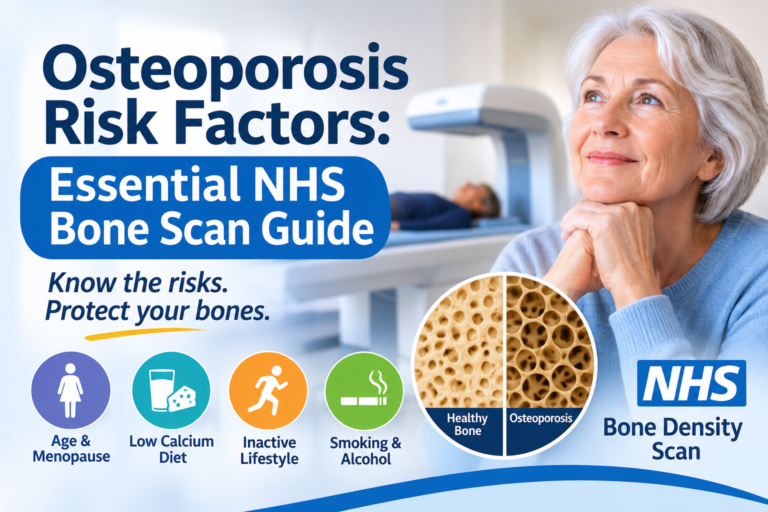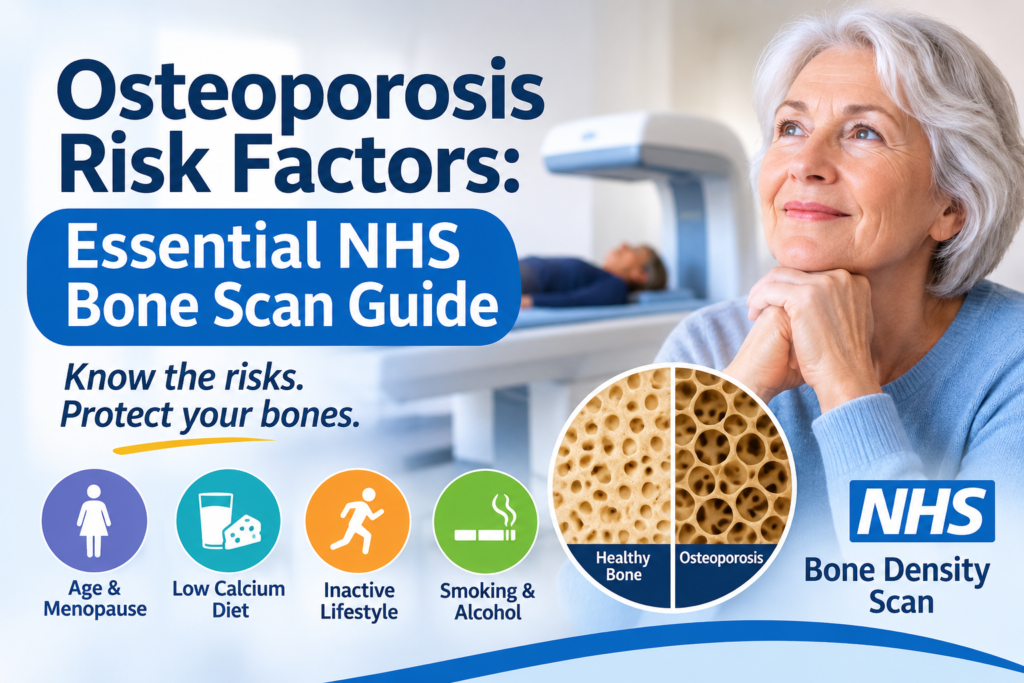

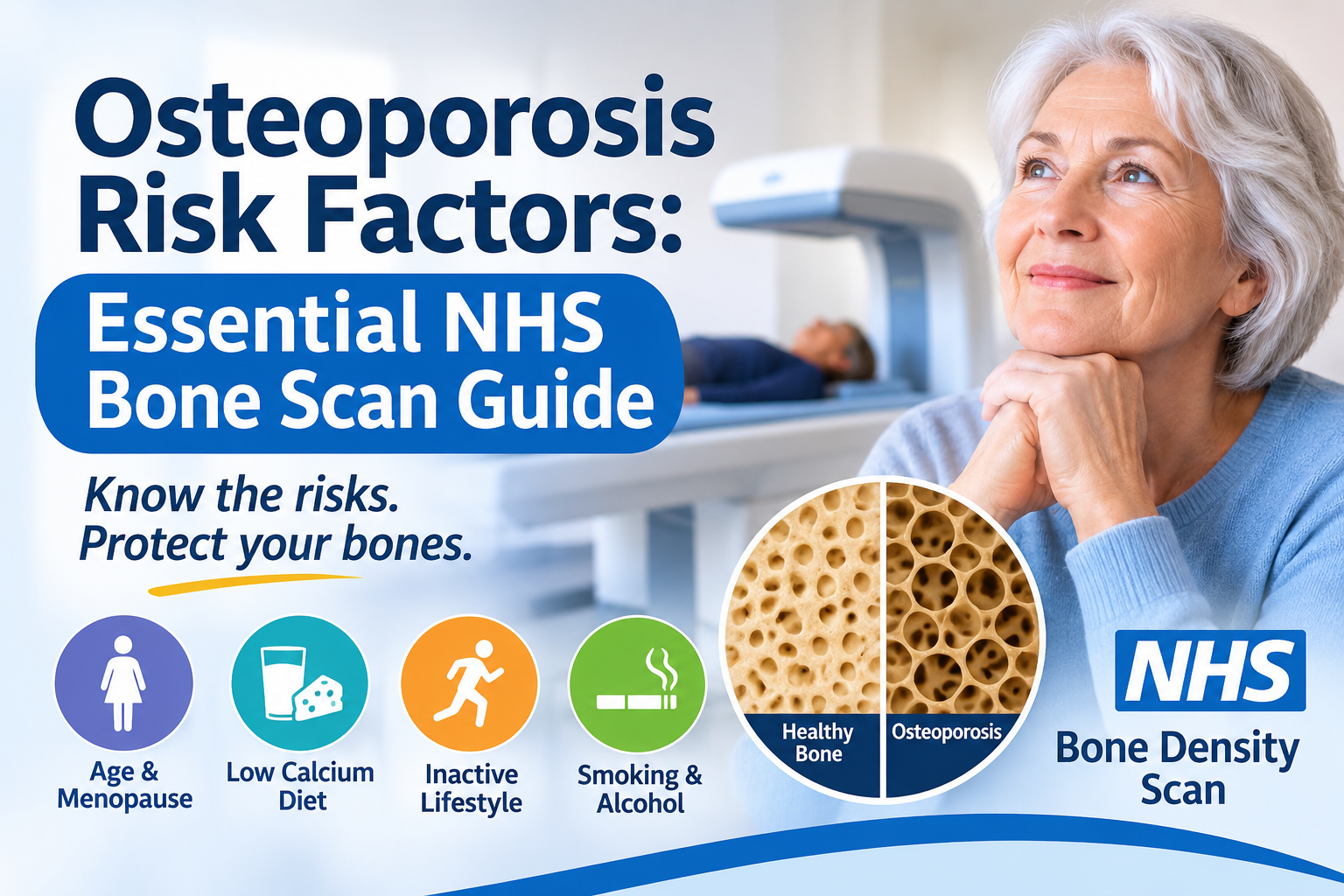
Osteoporosis risk factors and NHS bone density scans are important topics for anyone concerned about weak bones, unexpected fractures or changes in bone health as they get older. Osteoporosis is a condition that gradually weakens bones, making them more fragile and increasing the likelihood of fractures following minor falls or everyday activities.
In the UK, osteoporosis affects millions of people, particularly older adults and women after menopause. However, it can also develop in younger adults and men, especially when certain medical conditions, medications or lifestyle factors affect bone strength.
One of the biggest challenges with osteoporosis is that it usually develops without noticeable symptoms. Many people do not realise their bones have become weaker until they experience a broken wrist, hip or spine fracture. Understanding osteoporosis risk factors and NHS bone density scans can help people recognise their risk earlier and seek appropriate medical assessment.
The NHS offers bone density testing, commonly known as a DEXA scan, to help identify low bone density and assess the likelihood of fractures. Healthcare professionals may also use medical history and fracture-risk assessment tools to decide whether further investigations or treatment are necessary.
This guide explains the main osteoporosis risk factors, who may need an NHS bone density scan, how DEXA testing works, what the results mean and how you can protect your bones.
Table of Contents
- What is osteoporosis?
- Main osteoporosis risk factors
- Who is most at risk of developing osteoporosis?
- Early warning signs and symptoms
- What is an NHS bone density scan (DEXA)?
- Who qualifies for an NHS DEXA scan?
- How to get an NHS bone density scan
- What happens during a DEXA scan?
- Understanding bone density scan results
- What happens if your scan shows osteoporosis?
- How to improve bone health naturally
- Foods that help strengthen bones
- Exercises to prevent osteoporosis
- Can osteoporosis be prevented?
- When should you speak to your GP?
- Frequently asked questions
- Final thoughts
1. What Is Osteoporosis?
Osteoporosis is a long-term bone condition that develops when bones lose density and strength. Healthy bones constantly break down and rebuild themselves. However, when bone loss happens faster than new bone formation, bones gradually become weaker and more vulnerable to fractures.
People with osteoporosis may experience fractures after relatively minor injuries, such as falling from standing height, bending awkwardly or even coughing in some circumstances.
The condition can affect different parts of the skeleton, but common fracture sites include:
- Hips: Hip fractures can affect mobility, independence and quality of life.
- Spine: Vertebral fractures can cause back pain, height loss and changes in posture.
- Wrists: Wrist fractures can occur after putting your hands out to break a fall.
- Arms: Upper-arm fractures may happen following relatively minor accidents.
Osteoporosis is particularly common after menopause because declining oestrogen levels accelerate bone loss. However, men and younger adults can also develop the condition.
Osteoporosis versus osteopenia
These terms describe different levels of reduced bone density.
| Condition | Bone density T-score |
|---|---|
| Normal bone density | Above -1.0 |
| Osteopenia (low bone density) | Between -1.0 and -2.5 |
| Osteoporosis | -2.5 or lower |
Osteopenia means bone density is lower than normal but does not necessarily mean someone will develop osteoporosis.
A healthcare professional considers bone density alongside age, previous fractures, medical conditions and other osteoporosis risk factors before recommending treatment.
Understanding these differences can help you make informed decisions about NHS bone density scans and future bone health.
2. Main Osteoporosis Risk Factors
There is no single cause of osteoporosis. Instead, several factors can contribute to gradual bone loss and increase the likelihood of fractures.
Some osteoporosis risk factors cannot be changed, such as age and family history. Others, including smoking, poor nutrition and physical inactivity, may be improved through lifestyle changes.
Understanding these factors is an important first step towards protecting your bones.
2.1 Ageing
Age is one of the most significant osteoporosis risk factors.
Bone density generally reaches its peak in early adulthood. As people get older, the natural process of bone breakdown can gradually become faster than bone formation.
This increases the likelihood of developing osteoporosis, particularly after the age of 50.
Older adults may also experience reduced muscle strength, balance problems and an increased risk of falling. These factors can make fractures more likely.
2.2 Menopause and declining oestrogen levels
Menopause is an important osteoporosis risk factor for women.
Oestrogen helps maintain healthy bones by regulating bone turnover. When oestrogen levels fall during menopause, bone loss can accelerate.
Women may have a higher risk of osteoporosis if they experience:
- Early menopause before age 45.
- Premature menopause before age 40.
- Surgical removal of both ovaries.
- Long periods without menstrual periods.
- Menopause without appropriate management of certain underlying hormonal problems.
Women experiencing symptoms of hormonal changes can also read our guide to menopause symptoms in the UK.
People experiencing perimenopause may benefit from discussing long-term bone health with their GP, particularly if they have additional osteoporosis risk factors.
2.3 Family history of osteoporosis
Genetics can influence bone strength and the likelihood of developing osteoporosis.
Your risk may be higher if:
- Your mother or father had osteoporosis.
- Either parent experienced a hip fracture.
- Close family members experienced fractures following minor falls.
- Several relatives developed osteoporosis at a relatively young age.
A family history does not guarantee that you will develop osteoporosis. However, it is an important factor to mention during a medical assessment.
2.4 Low body weight and being underweight
People with a low body weight may have a higher risk of developing osteoporosis.
A low BMI, particularly below 19, is recognised as an important risk factor in clinical assessment.
Being underweight may be associated with:
- Lower bone mass.
- Inadequate calcium intake.
- Nutritional deficiencies.
- Hormonal changes.
- Reduced muscle strength.
Eating disorders and restrictive diets can also negatively affect bone health.
If you are struggling with unhealthy eating patterns, our guide to emotional eating may provide useful information about understanding eating behaviours.
2.5 Smoking
Smoking can negatively affect bone health and increase fracture risk.
Chemicals in tobacco smoke can interfere with normal bone formation and may affect calcium absorption and hormone levels.
Long-term smoking is associated with an increased likelihood of:
- Reduced bone density.
- Fragility fractures.
- Slower fracture healing.
- Other health complications that affect mobility.
Stopping smoking is an important lifestyle step towards improving overall health.
2.6 Excessive alcohol consumption
Regularly drinking too much alcohol can increase osteoporosis risk factors and contribute to weaker bones.
Excessive alcohol consumption may:
- Interfere with bone formation.
- Affect calcium and vitamin D intake.
- Increase the likelihood of falls.
- Affect hormone production.
- Reduce muscle strength and coordination.
Reducing alcohol intake can help protect bone health and lower other health risks.
2.7 Calcium and vitamin D deficiency
Calcium and vitamin D are essential for maintaining strong bones.
Calcium provides the main mineral structure of bones, while vitamin D helps the body absorb calcium effectively.
Not getting enough of these nutrients over time may contribute to poor bone health.
People at greater risk of deficiency may include those who:
- Have limited dietary calcium.
- Spend very little time outdoors.
- Have conditions affecting nutrient absorption.
- Follow highly restrictive diets.
- Have limited exposure to sunlight.
Vitamin D deficiency can be particularly relevant during winter in the UK.
2.8 Long-term steroid medication
Long-term use of corticosteroids, particularly oral steroid tablets, is an important medical osteoporosis risk factor.
Medicines such as prednisolone may interfere with bone formation and increase bone breakdown.
The risk can increase with:
- Higher medication doses.
- Longer treatment periods.
- Repeated courses of steroid tablets.
- Existing osteoporosis risk factors.
People taking oral glucocorticoids for three months or longer should discuss bone health with their healthcare professional.
Important: Never stop prescribed steroid medication suddenly because of concerns about osteoporosis. Speak to your GP or specialist about protecting your bones.
2.9 Medical conditions associated with osteoporosis
Certain health conditions can increase the likelihood of reduced bone density.
These include:
| Medical condition | Potential effect on bone health |
|---|---|
| Rheumatoid arthritis | Chronic inflammation can contribute to bone loss. |
| Coeliac disease | Reduced nutrient absorption may affect bone strength. |
| Crohn’s disease | Inflammation, nutritional problems and some treatments can affect bones. |
| Hyperthyroidism | Excess thyroid hormone can accelerate bone turnover. |
| Hyperparathyroidism | Excess parathyroid hormone can affect calcium regulation and bone strength. |
| Chronic kidney disease | Can interfere with normal mineral and bone metabolism. |
| Type 1 diabetes | Associated with increased fracture risk. |
| Chronic liver disease | May affect vitamin D metabolism and bone health. |
People living with digestive conditions should pay particular attention to nutritional health. Our article on living with Crohn’s disease explains some of the challenges associated with long-term inflammatory bowel disease.
2.10 Physical inactivity
Bones respond to physical activity.
Weight-bearing and resistance exercises help stimulate bone maintenance and support muscle strength.
People who spend extended periods sitting or lying down may experience reduced bone strength over time.
Long-term immobility, prolonged bed rest and some neurological conditions can increase osteoporosis risk.
Regular physical activity, adapted to individual ability, can help maintain stronger bones and reduce the likelihood of falls.
2.11 Certain medications
Some medicines can affect bone density, particularly when used for extended periods.
Examples include:
- Corticosteroids.
- Certain anti-seizure medicines.
- Some breast cancer treatments, including aromatase inhibitors.
- Some prostate cancer hormone treatments.
- Certain medications affecting hormone production.
- Some other medicines associated with altered bone metabolism.
This does not mean that people should stop taking prescribed medicines.
Instead, discuss your individual osteoporosis risk factors with your prescribing clinician. They can decide whether bone health monitoring or preventive treatment is appropriate.
3. Who Is Most at Risk of Developing Osteoporosis?
Although osteoporosis can affect anyone, certain groups have a higher likelihood of developing the condition.
The following groups may benefit from discussing fracture risk with their GP.
| Group | Why risk may be increased |
|---|---|
| Women after menopause | Lower oestrogen levels accelerate bone loss. |
| Adults over 65 | Bone density generally decreases with age. |
| Men over 75 | Age-related bone loss increases fracture risk. |
| People with a previous fragility fracture | An earlier fracture may indicate underlying bone weakness. |
| People taking long-term steroids | Steroids can accelerate bone loss. |
| People with a family history | Genetics can influence bone strength. |
| People with low BMI | Low body weight is associated with reduced bone mass. |
| People with rheumatoid arthritis | Inflammation and certain treatments affect bones. |
Can younger people develop osteoporosis?
Yes. Although osteoporosis is more common in older adults, younger people can develop it.
Possible causes include:
- Long-term steroid treatment.
- Premature menopause.
- Hormonal disorders.
- Eating disorders.
- Chronic digestive conditions.
- Certain genetic conditions.
- Previous fragility fractures.
People under 50 with major osteoporosis risk factors should not ignore unexplained fractures or concerns about bone health.
A GP can assess whether further investigations are appropriate.
4. Early Warning Signs and Symptoms of Osteoporosis
One of the biggest difficulties with osteoporosis is that it usually develops silently.
You cannot normally feel your bones becoming weaker, and early osteoporosis does not usually cause pain.
Many people only discover the condition after experiencing a fracture.
However, certain symptoms may indicate an existing fracture or changes in spinal structure.
Common signs to recognise
1. Broken bones after minor injuries
A fracture following a minor fall or relatively small impact may indicate weakened bones.
2. Persistent or sudden back pain
Spinal compression fractures can cause sudden back pain or ongoing discomfort.
3. Loss of height
Losing approximately 4 cm or more in height can be a warning sign of vertebral fractures.
4. Changes in posture
Some people develop a curved upper back or a forward-bending posture following spinal fractures.
5. Reduced mobility
Fractures can make everyday activities such as walking, dressing and climbing stairs more difficult.
These symptoms do not automatically confirm osteoporosis. Other medical conditions can cause similar problems.
If you experience sudden severe back pain, especially after a minor fall or with a history of osteoporosis risk factors, seek prompt medical assessment.
5. What Is an NHS Bone Density Scan (DEXA)?
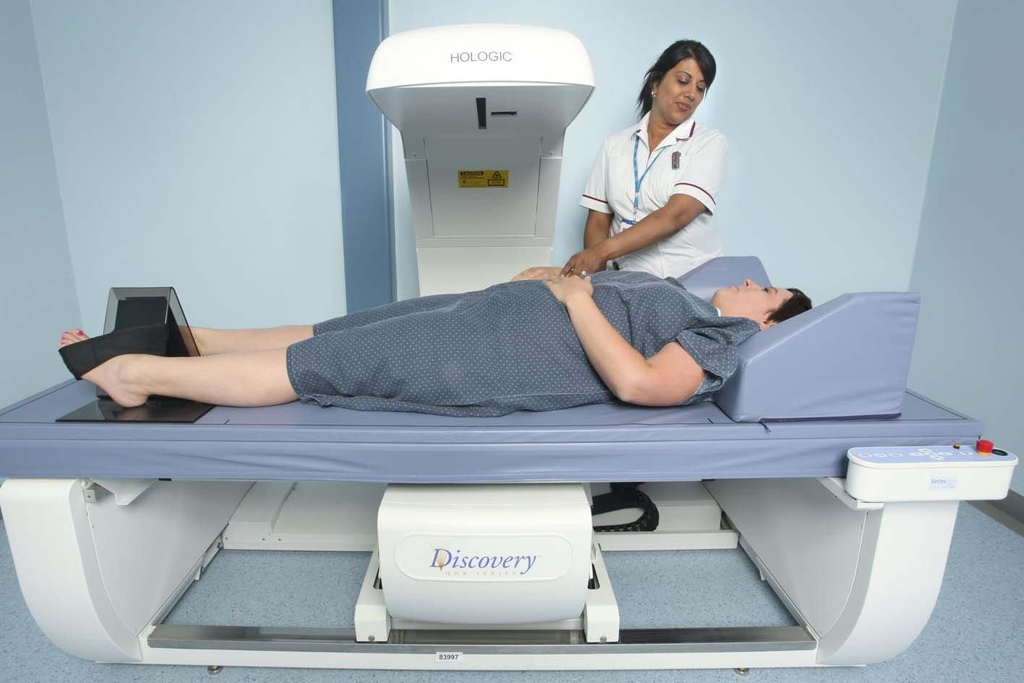
An NHS bone density scan is a medical test used to measure how much mineral is present in your bones.
It is commonly called a DEXA scan or DXA scan, meaning dual-energy X-ray absorptiometry.
The test uses low-dose X-rays to measure bone mineral density (BMD), usually around the hip and lower spine.
The results help healthcare professionals identify low bone density and assess whether someone may have osteoporosis.
Why are NHS bone density scans important?
An NHS bone density scan can help:
- Identify reduced bone mineral density.
- Support an osteoporosis diagnosis.
- Assess fracture risk.
- Guide decisions about osteoporosis medication.
- Monitor bone density in selected patients receiving treatment.
A DEXA scan is more effective than an ordinary X-ray for identifying low bone density.
However, bone density is only one part of fracture-risk assessment. Age, previous fractures, medication use and other osteoporosis risk factors also matter.
Is a DEXA scan painful?
No. A DEXA scan is generally painless and non-invasive.
You simply lie on a scanning table while a machine measures bone density.
The test usually takes approximately 10–20 minutes.
Is a DEXA scan safe?
DEXA scans use a very low dose of radiation, substantially lower than many conventional X-ray examinations.
They are generally considered safe for eligible patients.
However, X-ray scans are not recommended during pregnancy unless specifically advised following appropriate medical assessment.
For additional information, see the NHS guide to DEXA scans.
6. Who Qualifies for an NHS Bone Density Scan?
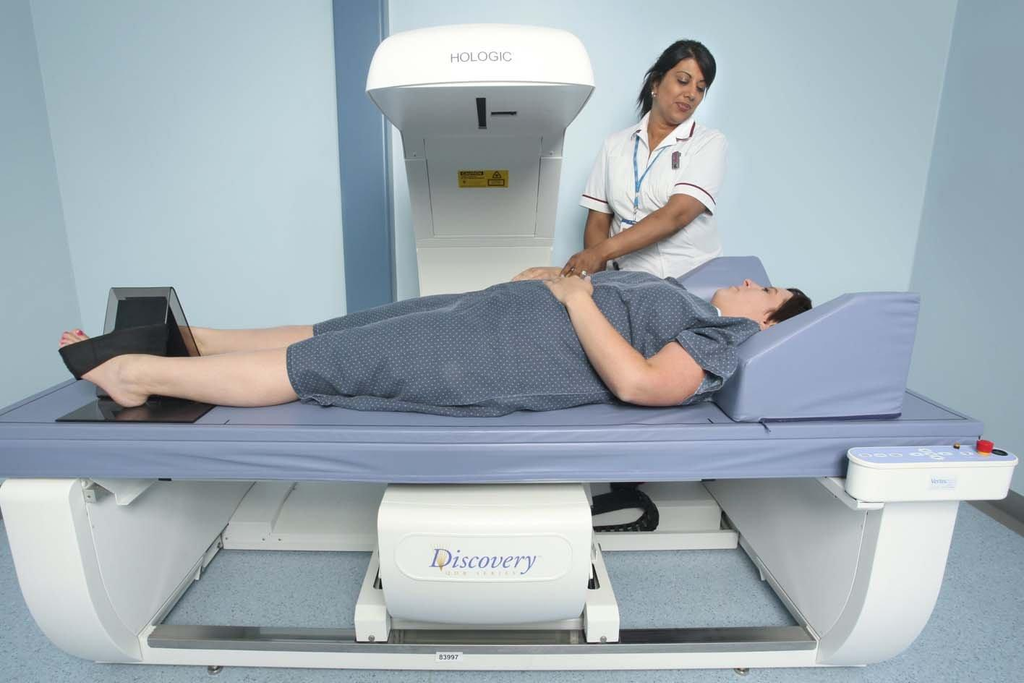
Not everyone needs an NHS bone density scan. Your GP or healthcare professional will consider your medical history, age, previous fractures and other osteoporosis risk factors before deciding whether a referral is appropriate.
The NHS may recommend a DEXA scan if you:
- Are over 50 and have risk factors for osteoporosis.
- Have experienced a broken bone following a minor fall.
- Have a medical condition associated with reduced bone density.
- Have taken steroid tablets for an extended period.
- Have experienced early or premature menopause.
- Have a strong family history of hip fractures.
- Have symptoms suggesting an undiagnosed spinal fracture.
Important NHS and NICE guidance update for 2026
NICE published updated osteoporosis guidance on 29 July 2026.
The revised recommendations aim to identify people at risk earlier and improve access to appropriate assessment.
Important changes include:
1. Direct DEXA referrals for certain people
People aged 30 and over who have experienced a hip fracture, spinal fracture or two or more fragility fractures can be referred directly for a DEXA scan without first completing a FRAX or QFracture assessment.
2. More targeted fracture-risk assessments
Healthcare professionals are encouraged to identify people with increased osteoporosis risk factors, including previous fractures, regular steroid use, low body weight and family history.
3. Additional spinal fracture checks
Vertebral fracture assessment (VFA) may be considered alongside DEXA testing for women aged 60 and over, men aged 70 and over, and younger people with additional risk factors.
4. Fewer unnecessary repeat scans
Most people will not need another DEXA scan within two years unless their circumstances or treatment requirements justify earlier reassessment.
5. Better follow-up support
People who do not immediately require medication should still receive appropriate advice and follow-up based on their individual fracture risk.
These recommendations provide a clearer approach to osteoporosis risk factors and NHS bone density scans. However, implementation can take time and local NHS referral arrangements may differ.
Does everyone over 50 qualify for a DEXA scan?
No. Being over 50 does not automatically mean you qualify for an NHS bone density scan.
Your healthcare professional will consider your overall risk of fractures.
Some people may need a fracture-risk assessment rather than an immediate DEXA scan. Others, particularly those with previous major fragility fractures, may benefit from direct scanning or treatment decisions without waiting for a scan.
The aim is to identify people who are most likely to benefit from investigation and treatment.
7. How to Get an NHS Bone Density Scan in the UK
If you are concerned about osteoporosis, your first step should generally be to contact your GP.
You do not usually need to arrange a DEXA scan independently through the NHS.
Here is how the process generally works.
NHS bone density scan referral process
- Book a GP appointmentExplain your concerns about bone health, previous fractures, family history or other osteoporosis risk factors.
- Complete a medical assessmentYour GP may review your age, weight, medical conditions, medications, menopause history and previous fractures.
- Fracture-risk assessmentYour healthcare professional may use FRAX or QFracture to estimate your likelihood of experiencing a fracture.
- Referral for a DEXA scanIf appropriate, you may be referred to an NHS hospital or imaging department for bone density testing.
- Receive your resultsYour results will be considered alongside your medical history and fracture risk.
- Discuss treatment or follow-upYour clinician may recommend lifestyle changes, medication, additional investigations or future monitoring.
What is FRAX?
FRAX is an online fracture-risk assessment tool developed to estimate a person’s likelihood of experiencing certain fractures over the next 10 years.
It considers factors such as:
- Age.
- Sex.
- Weight and height.
- Previous fractures.
- Family history of hip fractures.
- Smoking.
- Alcohol consumption.
- Rheumatoid arthritis.
- Certain medical conditions.
- Glucocorticoid use.
A bone density measurement can also be included when available.
FRAX helps healthcare professionals decide whether further investigation or treatment may be appropriate.
What is QFracture?
QFracture is another clinical tool used to estimate fracture risk.
It considers a wider range of medical and lifestyle factors and can help identify people who may need further assessment.
Your clinician will choose an appropriate assessment method based on the relevant guidance and your circumstances.
Can I request a DEXA scan from my GP?
Yes, you can discuss and request consideration for an NHS bone density scan.
However, a referral is not guaranteed simply because you ask for one.
Explain your osteoporosis risk factors clearly, especially if you have experienced a fracture after a minor fall, take long-term steroids or have a family history of hip fractures.
If you have concerns about your NHS assessment or referral, our guide to how to get a second opinion on the NHS explains your options.
8. What Happens During an NHS DEXA Scan?
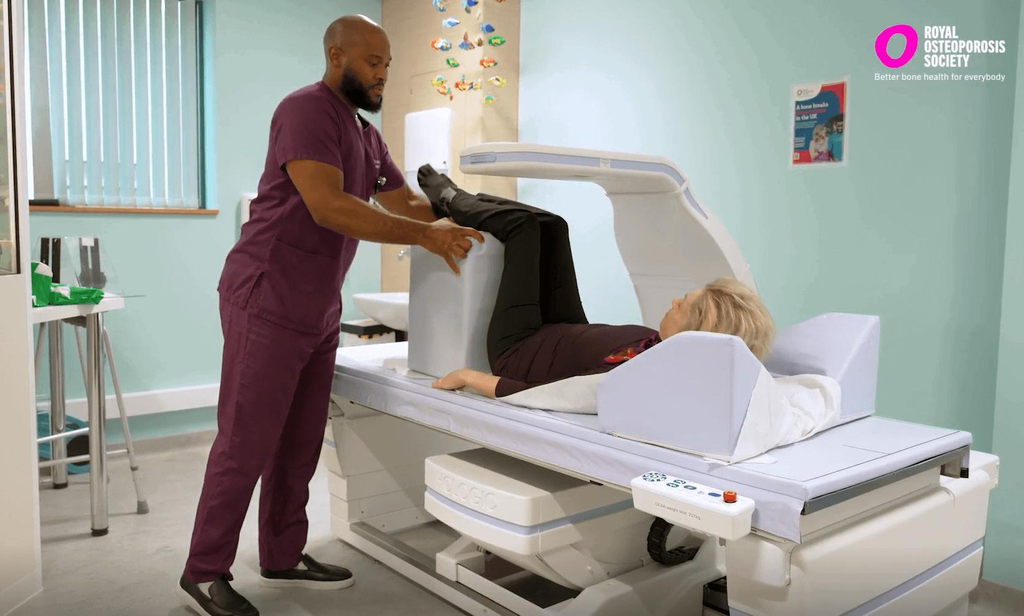
An NHS bone density scan is a straightforward procedure that normally takes around 10–20 minutes.
You do not usually need an injection, anaesthetic or complicated preparation.
Before your appointment
Your hospital may provide instructions before the scan.
Generally, you should:
- Wear comfortable clothing without metal fasteners.
- Avoid belts, heavy buttons and clothing with zips.
- Bring a list of your current medicines.
- Tell the imaging department if you are pregnant or might be pregnant.
- Inform staff if you have recently had a medical investigation involving contrast material.
You can usually eat and drink normally, and you do not need to stop prescribed medication unless your healthcare team gives you specific instructions.
During the scan
The procedure usually involves the following steps:
- You will lie on your back on a scanning table.
- A radiographer will position your body correctly.
- A scanning arm will move slowly over the area being examined.
- Low-dose X-rays will measure bone density.
- Images will usually focus on your hip and lower spine.
You will need to remain still while the machine collects measurements.
The scan does not normally cause pain or discomfort.
After the scan
You can usually return to normal activities immediately.
Your results may be sent to your GP or the healthcare professional who referred you.
The time required to receive results varies between NHS departments.
If you have not received your results within the expected period, contact the referring healthcare professional or imaging department.
9. Understanding NHS Bone Density Scan Results
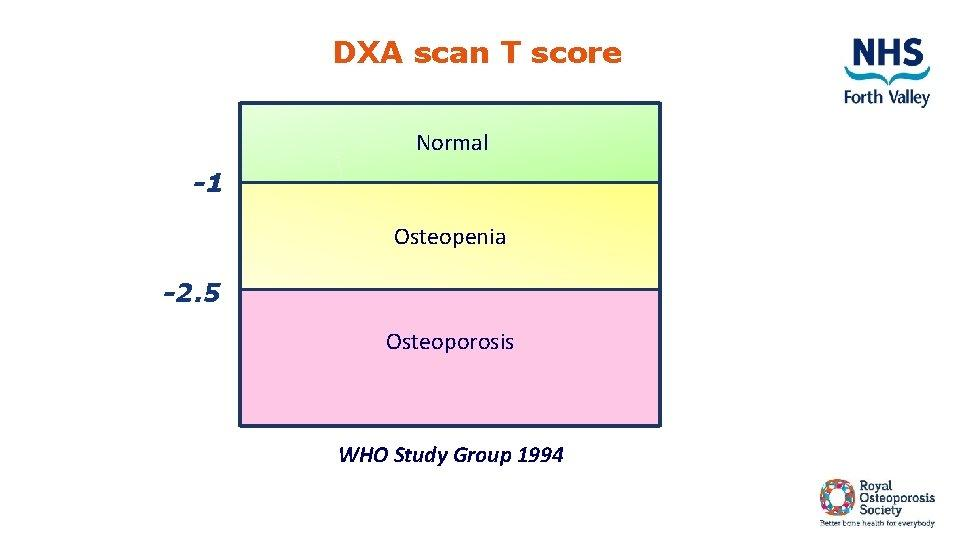
DEXA scan results are commonly presented as a T-score.
A T-score compares your bone mineral density with the average bone density of a healthy young adult.
Understanding the result can help you discuss osteoporosis risk factors and possible treatment with your healthcare professional.
What do DEXA T-scores mean?
| T-score | Interpretation |
|---|---|
| Above -1.0 | Normal bone density |
| Between -1.0 and -2.5 | Low bone density (osteopenia range) |
| -2.5 or below | Osteoporosis range |
Normal bone density
A T-score above -1.0 generally indicates bone density within the normal range.
However, a normal result does not mean your fracture risk is zero.
Other factors, including previous fractures, falls and medical conditions, can still influence your overall risk.
Osteopenia
Osteopenia describes bone density that is lower than the normal range but does not reach the diagnostic threshold for osteoporosis.
People with osteopenia do not necessarily need medication.
Your clinician may recommend:
- Adequate calcium intake.
- Vitamin D supplementation when appropriate.
- Weight-bearing physical activity.
- Smoking cessation.
- Reduced alcohol consumption.
- Further fracture-risk assessment.
Some people with osteopenia may still benefit from osteoporosis medication if their overall fracture risk is sufficiently high.
Osteoporosis
A T-score of -2.5 or below is within the osteoporosis range.
This indicates significantly reduced bone density and may increase the likelihood of fractures.
Your healthcare professional will consider your age, medical history, previous fractures and other osteoporosis risk factors when deciding whether treatment is necessary.
What is a Z-score?
A Z-score compares your bone density with that expected for someone of similar age and sex.
It is particularly useful when assessing children, younger adults and certain people who are not yet postmenopausal.
A low Z-score may suggest that another medical condition is contributing to reduced bone density.
Important: A DEXA result should never be interpreted in isolation. Your overall fracture risk matters just as much as the bone density measurement.
10. What Happens If Your Scan Shows Osteoporosis?
If your NHS bone density scan identifies osteoporosis, your GP or specialist will discuss appropriate management.
The treatment plan depends on your fracture risk, age, medical conditions and individual circumstances.
10.1 Bisphosphonates
Bisphosphonates are commonly prescribed medicines for osteoporosis.
Examples include:
- Alendronic acid.
- Risedronate.
- Zoledronic acid.
These medicines help slow the breakdown of bone and reduce the risk of certain fractures.
Some are taken as tablets, while others are administered through an intravenous infusion.
10.2 Denosumab
Denosumab is an osteoporosis medicine administered as an injection, usually every six months.
It reduces bone breakdown and can help lower fracture risk in eligible patients.
It is important not to delay or stop denosumab without an agreed medical plan because stopping can cause rapid bone loss and increase the risk of spinal fractures.
10.3 Specialist osteoporosis treatments
Some people with very high fracture risk may be considered for specialist treatments that stimulate bone formation.
Examples include teriparatide and romosozumab.
These treatments are prescribed according to clinical eligibility and specialist recommendations.
10.4 Calcium and vitamin D
Your healthcare professional may recommend calcium and vitamin D supplements if your dietary intake or vitamin D levels are insufficient.
However, supplements are not a replacement for osteoporosis medication when medication is clinically indicated.
10.5 Regular monitoring
Your healthcare team may monitor your treatment through:
- Medication reviews.
- Assessment of new fractures.
- Blood tests when appropriate.
- Repeat bone density scans.
- Evaluation of side effects and treatment response.
Not everyone needs repeat scans at the same interval. The timing depends on your individual circumstances.
11. How to Improve Bone Health Naturally
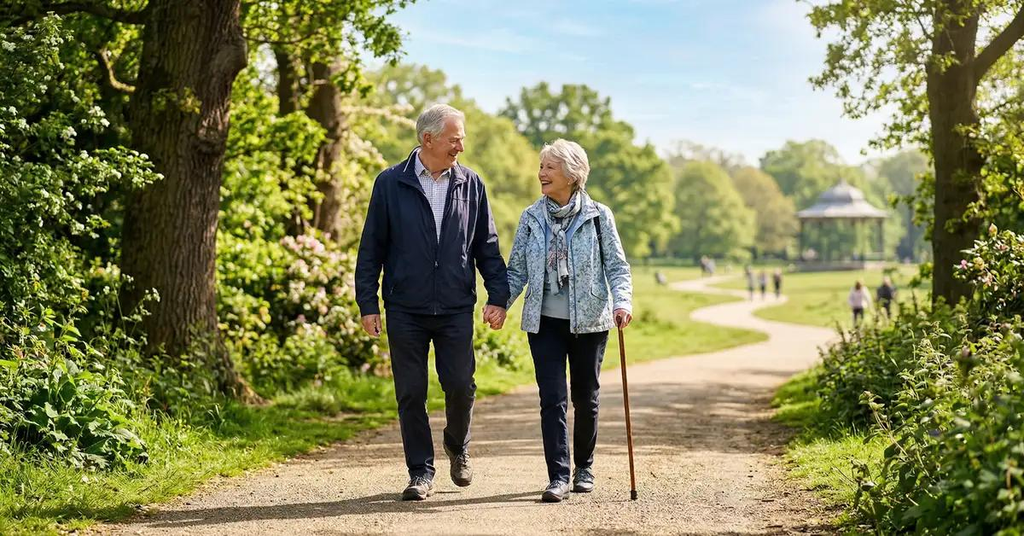
Lifestyle changes can help maintain bone strength and reduce some osteoporosis risk factors.
Although lifestyle measures cannot reverse every case of osteoporosis, they play an important role in prevention and long-term management.
Eat a balanced diet
A balanced diet supports bone formation, muscle strength and general health.
Include:
- Calcium-rich foods.
- Vitamin D sources.
- Protein-rich foods.
- Fresh vegetables.
- Whole grains.
- Fruits and healthy fats.
Avoid highly restrictive diets that may leave you without essential nutrients.
Maintain a healthy body weight
Being significantly underweight can increase osteoporosis risk factors.
Maintaining a healthy weight through balanced nutrition and appropriate exercise can support bone and muscle health.
If you are managing your weight, our guide to protein intake for weight loss explains why protein is important for maintaining muscle.
Stop smoking
Stopping smoking can benefit your bones as well as your heart, lungs and circulation.
Speak to your GP or pharmacist about NHS smoking cessation support if you need help.
Limit alcohol
Avoid excessive alcohol consumption and follow current UK lower-risk drinking guidance.
Reducing alcohol can also help improve balance and lower the likelihood of falls.
Spend time outdoors safely
Vitamin D is important for calcium absorption.
During spring and summer, safe exposure to sunlight helps the body produce vitamin D.
However, avoid sunburn and follow appropriate sun protection advice.
12. Foods That Help Strengthen Bones
Nutrition is one of the most practical ways to support bone health.
A healthy diet should provide adequate calcium, vitamin D, protein and other nutrients involved in maintaining normal bones.
Calcium-rich foods

Calcium is essential for maintaining strong bones and teeth.
Good dietary sources include:
| Food | Bone-health benefit |
|---|---|
| Milk | Provides calcium and protein. |
| Yoghurt | Contains calcium and protein. |
| Cheese | Provides concentrated calcium. |
| Sardines with edible bones | Supply calcium and protein. |
| Kale | Provides calcium and other nutrients. |
| Broccoli | Contributes calcium to a balanced diet. |
| Calcium-fortified plant milk | Can provide calcium for people avoiding dairy. |
Adults generally need around 700 mg of calcium daily in the UK, although individual requirements can vary.
Vitamin D sources
Vitamin D helps your body absorb calcium.
Food sources include:
- Oily fish.
- Egg yolks.
- Fortified breakfast cereals.
- Fortified spreads.
- Some fortified plant-based drinks.
The NHS advises adults to consider taking a daily 10 microgram vitamin D supplement during autumn and winter.
People with particular risk factors may need supplementation throughout the year. Ask your GP or pharmacist for advice.
Protein-rich foods
Protein supports muscle maintenance and contributes to normal bone health.
Include foods such as:
- Eggs.
- Fish.
- Chicken.
- Beans.
- Lentils.
- Milk.
- Yoghurt.
- Tofu.
Adequate protein is particularly important for older adults because muscle weakness can increase the likelihood of falls.
13. Best Exercises to Prevent Osteoporosis
Physical activity helps maintain muscle strength, balance and bone health.
The best exercise programme depends on your age, fitness level, existing fractures and medical history.
Weight-bearing exercises
Weight-bearing activities encourage bones to support your body weight.
Examples include:
- Walking.
- Dancing.
- Hiking.
- Stair climbing.
- Certain forms of aerobics.
People with established osteoporosis or previous spinal fractures should seek advice before starting high-impact activities.
Strength training
Resistance exercises help maintain muscle mass and support the skeleton.
Examples include:
- Resistance-band exercises.
- Light weightlifting.
- Sit-to-stand movements.
- Squats adapted to ability.
- Supervised gym exercises.
Balance exercises
Balance training is especially important for older adults because falls can cause serious fractures.
Suitable activities may include:
- Tai chi.
- Supported standing exercises.
- Heel-to-toe walking.
- Single-leg balance exercises with support.
If you already have osteoporosis, ask your GP or physiotherapist about an appropriate exercise programme.
Avoid exercises involving repeated forceful forward bending or twisting of the spine if you have vertebral fractures or significant osteoporosis unless a qualified professional has advised that they are suitable.
14. Can Osteoporosis Be Prevented?
Osteoporosis cannot always be prevented because certain risk factors, such as age, genetics and menopause, cannot be changed.
However, you can take practical steps to reduce avoidable bone loss and protect your long-term health.
A bone-health prevention checklist:
- Eat a balanced diet containing adequate calcium.
- Get enough vitamin D.
- Include regular weight-bearing exercise.
- Perform appropriate muscle-strengthening activities.
- Maintain a healthy body weight.
- Avoid smoking.
- Limit alcohol consumption.
- Discuss long-term steroid use with your doctor.
- Seek assessment after a fragility fracture.
- Review your osteoporosis risk factors as you get older.
Taking these steps early may help maintain stronger bones throughout adulthood.
15. When Should You Speak to Your GP?
You should consider booking a GP appointment if you have concerns about osteoporosis or notice symptoms that could indicate a fracture.
Speak to your GP if:
- You have broken a bone following a minor fall.
- You have a family history of hip fractures.
- You have experienced early or premature menopause.
- You take long-term steroid medication.
- You have unexplained height loss.
- You experience persistent or sudden back pain.
- You have a medical condition that affects bone health.
- You have several osteoporosis risk factors.
Your GP can review your medical history, assess your fracture risk and decide whether an NHS bone density scan is appropriate.
If you experience severe pain after a fall, inability to bear weight, or suspected hip or spinal fracture, seek urgent medical attention rather than waiting for a routine appointment.
For urgent medical advice in England, you can use NHS 111. Call 999 for a serious emergency.
16. Frequently Asked Questions About Osteoporosis Risk Factors and NHS Bone Density Scans
1. What are the biggest risk factors for osteoporosis?
The biggest osteoporosis risk factors include ageing, menopause, family history, low body weight, smoking, excessive alcohol consumption, calcium and vitamin D deficiency, long-term steroid use and certain medical conditions.
Having multiple risk factors may increase your likelihood of developing osteoporosis and experiencing fractures.
2. At what age should you have an NHS bone density scan?
There is no single age at which everyone needs a DEXA scan.
The NHS may recommend a scan for people over 50 with relevant osteoporosis risk factors. Younger people may also need testing if they have significant medical risk factors or previous fragility fractures.
3. Can I get a free NHS DEXA scan?
Yes. If you meet the clinical criteria and your healthcare professional refers you, an NHS bone density scan is generally provided without charge.
You do not normally need to pay for an NHS diagnostic scan.
4. How long does an NHS bone density scan take?
Most DEXA scans take approximately 10–20 minutes.
The procedure is painless, does not normally require an injection and allows you to return to your usual activities immediately afterwards.
5. What T-score indicates osteoporosis?
A T-score of -2.5 or below is within the osteoporosis range.
A score between -1.0 and -2.5 indicates low bone density, commonly called osteopenia.
Your doctor will consider the result alongside your other osteoporosis risk factors before recommending treatment.
6. Can osteoporosis develop without symptoms?
Yes. Osteoporosis usually develops without noticeable symptoms.
Many people discover they have the condition only after breaking a bone following a minor injury.
This is why understanding osteoporosis risk factors and NHS bone density scans is important for early assessment.
7. Can younger women develop osteoporosis?
Yes. Younger women can develop osteoporosis, particularly if they experience premature menopause, have eating disorders, take long-term steroid medication or have certain hormonal or digestive conditions.
Women experiencing menopause before 40 should discuss their long-term bone health with their healthcare professional.
8. Does menopause increase osteoporosis risk?
Yes. Falling oestrogen levels during menopause can accelerate bone loss.
Women who experience early menopause may have a higher risk because their bones are exposed to lower oestrogen levels for longer.
9. Can vitamin D deficiency cause osteoporosis?
Vitamin D deficiency can contribute to poor bone health because vitamin D helps the body absorb calcium.
Severe or prolonged deficiency can cause osteomalacia, a condition that softens bones. This is different from osteoporosis, although both conditions can affect bone strength.
10. Can exercise reverse osteoporosis?
Exercise cannot reliably reverse established osteoporosis, but appropriate physical activity can help maintain bone strength, improve muscle function and reduce falls.
Weight-bearing, resistance and balance exercises are particularly useful.
People with existing fractures should obtain professional advice before starting an exercise programme.
11. How often should you repeat an NHS DEXA scan?
The timing depends on your medical history, treatment and fracture risk.
Many people do not need another scan within two years. Follow-up intervals are individualised, and repeat testing should only be arranged when it is likely to influence clinical management.
12. Can men develop osteoporosis?
Yes. Although osteoporosis is more common in women, men can also develop it.
Older age, low testosterone, smoking, excessive alcohol consumption, steroid medication and certain medical conditions can increase osteoporosis risk in men.
13. Is osteoporosis hereditary?
Genetics can influence bone strength and fracture risk.
People whose parents experienced osteoporosis or hip fractures may have an increased likelihood of developing the condition.
However, family history does not guarantee that osteoporosis will develop.
14. What is the difference between a DEXA scan and an ordinary X-ray?
A DEXA scan measures bone mineral density using low-dose X-rays.
An ordinary X-ray produces images of bones and is commonly used to investigate fractures and other structural problems.
DEXA testing is more effective for identifying low bone density before a fracture occurs.
15. Can you have osteoporosis with a normal BMI?
Yes. A normal BMI does not rule out osteoporosis.
Age, genetics, menopause, previous fractures, medication use and underlying medical conditions can all influence bone health.
16. Does the NHS provide osteoporosis treatment?
Yes. The NHS provides osteoporosis assessment and treatment for eligible patients.
Treatment may include bisphosphonates, other specialist medicines, calcium and vitamin D supplementation where appropriate, exercise advice and ongoing monitoring.
17. Conclusion: Protect Your Bones Before Osteoporosis Causes a Fracture
Understanding osteoporosis risk factors and NHS bone density scans is an important part of protecting your long-term health.
Osteoporosis often develops silently, meaning people may not recognise weakened bones until a fracture occurs. However, identifying risk factors early can help healthcare professionals assess bone strength and recommend appropriate investigations.
Ageing, menopause, family history, low body weight, smoking, nutritional deficiencies, certain medical conditions and long-term steroid use can all contribute to reduced bone density.
The good news is that several lifestyle changes can help protect your bones. Eating calcium-rich foods, maintaining adequate vitamin D levels, exercising regularly, avoiding smoking and limiting alcohol can support healthier bones.
If you have experienced a fracture following a minor fall, have unexplained height loss or have several osteoporosis risk factors, speak to your GP about a fracture-risk assessment and whether an NHS DEXA scan is appropriate.