
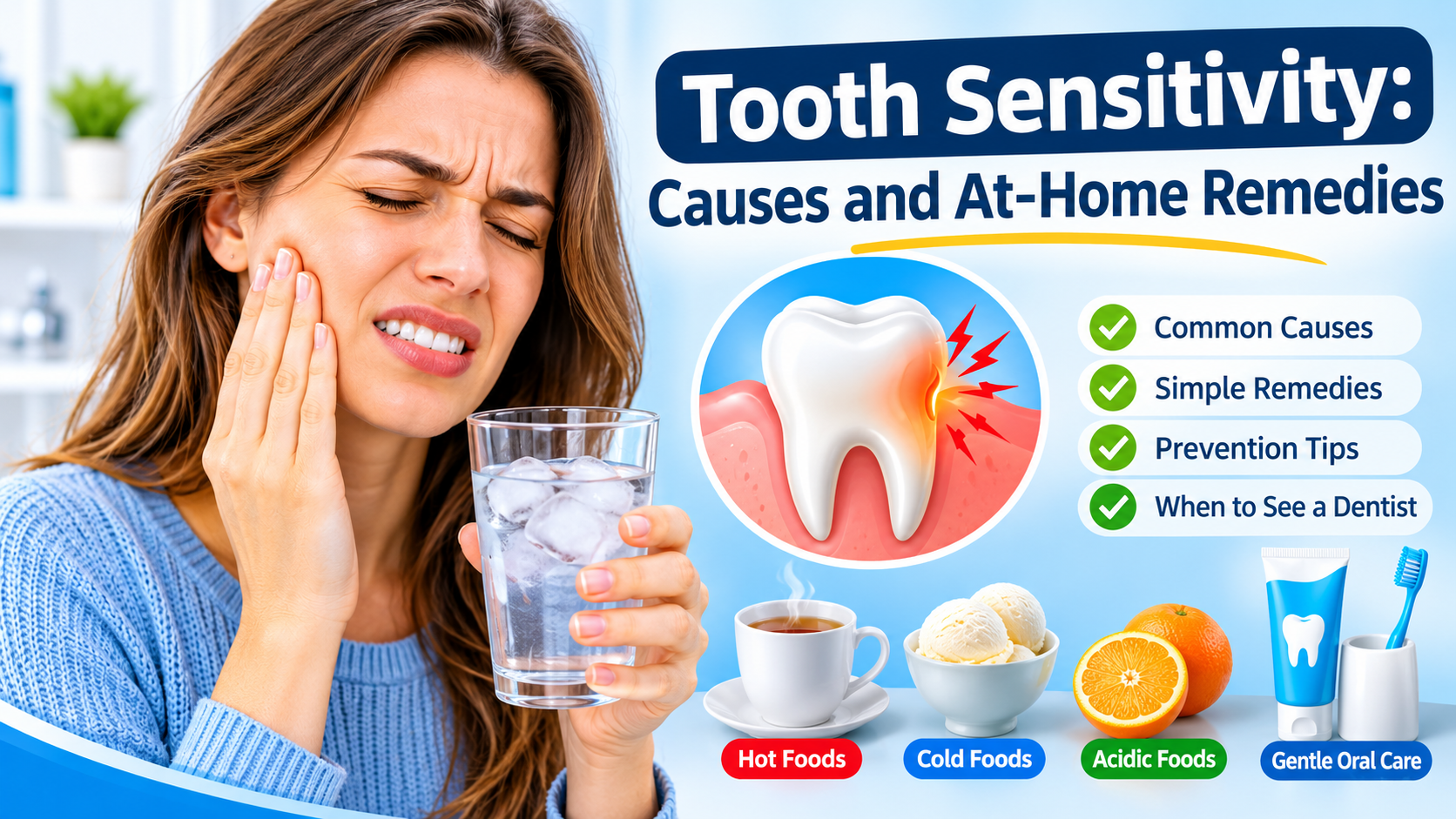
Tooth sensitivity is a common dental problem that can make everyday activities such as drinking cold water, enjoying hot tea, eating ice cream or brushing your teeth uncomfortable. If you experience a sudden sharp pain when your teeth come into contact with hot, cold, sweet or acidic foods, you may be experiencing tooth sensitivity.
For many people in the UK, tooth sensitivity develops gradually because of worn tooth enamel, gum recession, aggressive brushing or frequent consumption of acidic foods and drinks. However, sometimes sensitive teeth can indicate an underlying dental problem, such as tooth decay, a cracked tooth, damaged fillings or gum disease.
The good news is that tooth sensitivity can often be managed with appropriate oral hygiene, desensitising toothpaste and simple at-home remedies. Understanding the cause is important because the right treatment depends on what is making your teeth sensitive.
In this comprehensive guide, we explain the main causes of tooth sensitivity, 11 practical remedies you can try at home, ways to prevent recurring discomfort and when you should visit an NHS or private dentist in the UK.
Key takeaways:
- Tooth sensitivity commonly develops when dentine becomes exposed beneath the protective enamel or gum tissue.
- Cold drinks, hot beverages, sweet foods and acidic foods can trigger discomfort.
- Desensitising toothpaste can help reduce sensitive teeth symptoms.
- Brushing gently with fluoride toothpaste protects your teeth.
- Persistent, severe or localised sensitivity needs a dental examination.
- Tooth sensitivity caused by decay, cracks or infection may require professional treatment.
What Is Tooth Sensitivity?
Tooth sensitivity, medically known as dentine hypersensitivity, is discomfort or sharp pain that occurs when the inner layer of a tooth becomes exposed to external triggers.
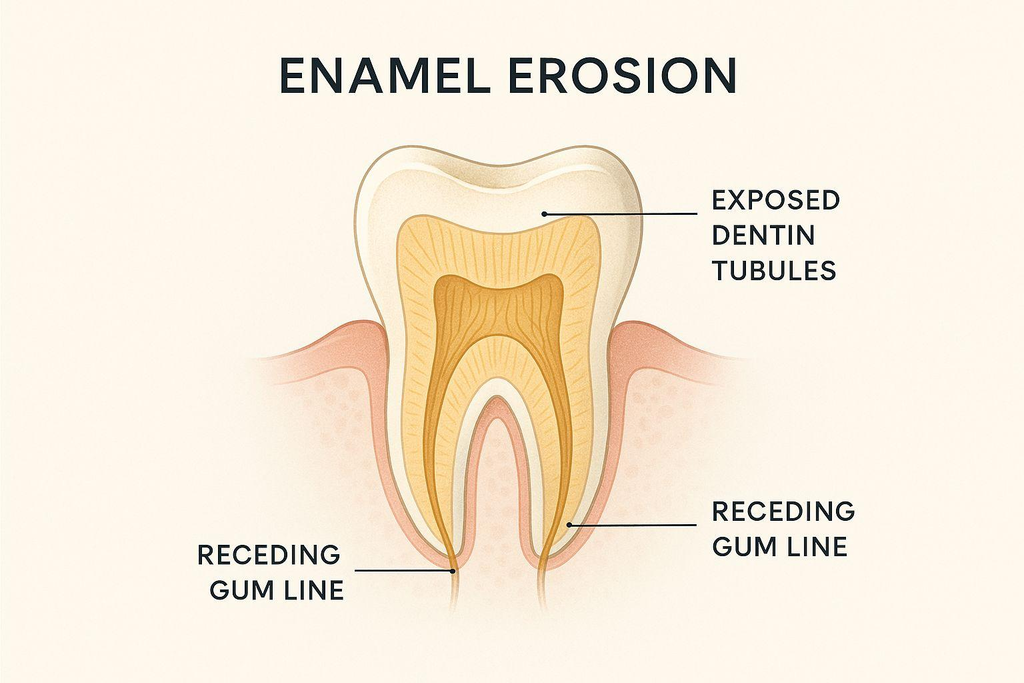
Your teeth have several protective layers. Enamel covers the visible crown, while cementum protects the roots. Underneath these protective layers is dentine, which contains tiny microscopic channels called dentinal tubules.
These channels connect towards the sensitive inner part of the tooth. When enamel becomes worn down or gums recede, dentine may become exposed. Hot, cold, sweet or acidic substances can then stimulate the exposed area and trigger a short, sharp sensation.
This explains why tooth sensitivity often occurs when:
- Drinking cold water or iced beverages.
- Eating ice cream or frozen desserts.
- Drinking hot tea or coffee.
- Eating citrus fruits or sugary foods.
- Brushing or flossing your teeth.
- Breathing cold air through your mouth.
The discomfort may affect one tooth, several teeth or larger areas of your mouth.
Although occasional sensitivity can be manageable, repeated tooth sensitivity should not be ignored because it may indicate enamel erosion, gum recession or another dental condition.
What Causes Tooth Sensitivity?
There are several possible causes of tooth sensitivity. Identifying the underlying reason can help you choose appropriate remedies and understand whether professional dental treatment is necessary.
1. Worn Tooth Enamel
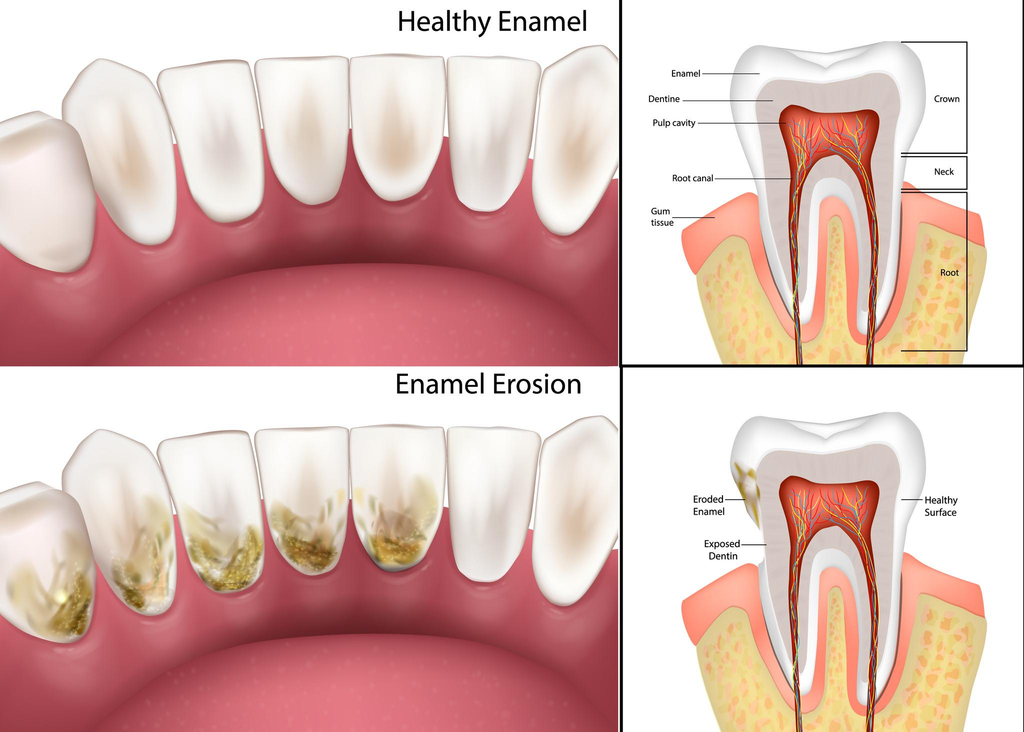
Tooth enamel is the hard outer protective covering of your teeth. It protects the sensitive dentine underneath from temperature changes, acids and everyday wear.
However, enamel can gradually become thinner because of aggressive brushing, acidic foods, frequent soft drinks and other lifestyle factors.
When enamel wears away, dentine becomes more exposed, increasing the likelihood of tooth sensitivity.
Common warning signs include:
- Discomfort when drinking cold water.
- Sensitivity after eating acidic foods.
- Increased discomfort when brushing.
- Teeth appearing more yellow than usual.
Enamel cannot naturally grow back once it has been permanently lost. However, fluoride can help strengthen remaining enamel and support remineralisation of early weakened areas.
2. Gum Recession
Gum recession occurs when gum tissue gradually moves away from the teeth, exposing their roots.
Unlike the crown, tooth roots do not have a protective enamel covering. This makes exposed roots more vulnerable to temperature changes and other external triggers.
Common causes include:
- Brushing too aggressively.
- Gum disease.
- Natural changes associated with ageing.
- Poor oral hygiene.
- Genetic factors.
If you notice that your teeth look longer than before or experience discomfort close to the gumline, gum recession could be contributing to your tooth sensitivity.
A dentist can assess your gums and recommend appropriate treatment.
3. Brushing Your Teeth Too Hard
Brushing harder does not necessarily make your teeth cleaner.
Using excessive pressure, a hard-bristled toothbrush or abrasive toothpaste can gradually damage enamel and irritate gum tissue.
Over time, this can expose dentine and increase tooth sensitivity.
To protect your teeth:
- Choose a soft-bristled toothbrush.
- Use gentle circular movements.
- Avoid scrubbing aggressively.
- Brush for approximately two minutes twice daily.
- Use fluoride toothpaste.
You can also consider a pressure-controlled electric toothbrush if you regularly brush too forcefully.
4. Tooth Decay and Cavities
Tooth decay develops when bacteria in dental plaque produce acids that damage tooth enamel.
As decay progresses, small cavities may develop and expose the sensitive layers underneath.
Tooth sensitivity caused by cavities may occur when eating sugary foods, drinking cold beverages or biting down on certain foods.
Other possible symptoms include:
- Persistent toothache.
- Visible holes or dark spots.
- Pain when chewing.
- Increased sensitivity to sweet foods.
- Discomfort that gradually becomes worse.
If you suspect tooth decay, arrange a dental appointment rather than relying exclusively on home remedies.
Read our guide to root canal treatment and NHS costs in the UK to understand one of the treatments dentists may recommend for severely damaged teeth.
5. Acidic Foods and Drinks
Regular exposure to acidic foods and beverages can gradually weaken tooth enamel.
Common examples include:
- Lemons and oranges.
- Grapefruit.
- Fizzy drinks.
- Energy drinks.
- Fruit juices.
- Vinegar-based foods.
- Sports drinks.
Acid erosion makes teeth more vulnerable to external triggers and can contribute to tooth sensitivity.
You do not necessarily need to eliminate all acidic foods. Instead, reduce frequent exposure and consume them as part of meals rather than sipping acidic drinks throughout the day.
6. Teeth Grinding (Bruxism)
Teeth grinding, also known as bruxism, involves repeatedly clenching or grinding your teeth.
Some people grind their teeth during sleep without realising it. Others clench their jaws during periods of stress or concentration.
Repeated grinding can wear down enamel, create small cracks and increase tooth sensitivity.
Possible symptoms include:
- Jaw discomfort in the morning.
- Headaches after waking.
- Flattened or worn tooth surfaces.
- Pain when biting.
- Increased sensitivity.
If you suspect teeth grinding, speak to your dentist. They may recommend a custom-made night guard to protect your teeth.
7. Cracked or Damaged Teeth
A small crack in a tooth can expose sensitive internal structures and cause discomfort when chewing or drinking.
Cracks may develop because of injuries, biting hard foods, teeth grinding or previous dental problems.
Unlike generalised tooth sensitivity, sensitivity caused by a cracked tooth may affect one particular tooth.
You may experience pain when biting down or releasing pressure.
A cracked tooth needs professional assessment because the appropriate treatment depends on the location and severity of the damage.
8. Recent Teeth Whitening Treatments
Teeth whitening products can temporarily increase tooth sensitivity, particularly when they contain bleaching ingredients.
Some people experience discomfort after professional whitening or using over-the-counter whitening products.
Symptoms may include:
- Temporary sensitivity to cold drinks.
- Short-lived sharp sensations.
- Increased discomfort during brushing.
If whitening causes significant or prolonged discomfort, stop using the product and seek dental advice.
Read our related guides:
9. Gum Disease
Gum disease develops when plaque accumulates around the teeth and irritates the gums.
Early gum disease, known as gingivitis, can cause redness, swelling and bleeding. More advanced periodontal disease can damage the supporting structures around the teeth and contribute to gum recession.
Exposed roots may increase tooth sensitivity.
Other warning signs include persistent bad breath, tender gums and loose teeth.
For further information, read our guide to gum disease treatment: NHS vs private costs.
10. Recent Dental Procedures
Some dental treatments can cause temporary sensitivity.
For example, you may notice tooth sensitivity after:
- Professional teeth cleaning.
- Dental fillings.
- Teeth whitening.
- Crown preparation.
- Root canal-related procedures.
The duration depends on the procedure and your individual dental health.
However, severe pain, worsening symptoms or sensitivity that does not improve should be assessed by your dental team.
11 Effective At-Home Remedies for Tooth Sensitivity
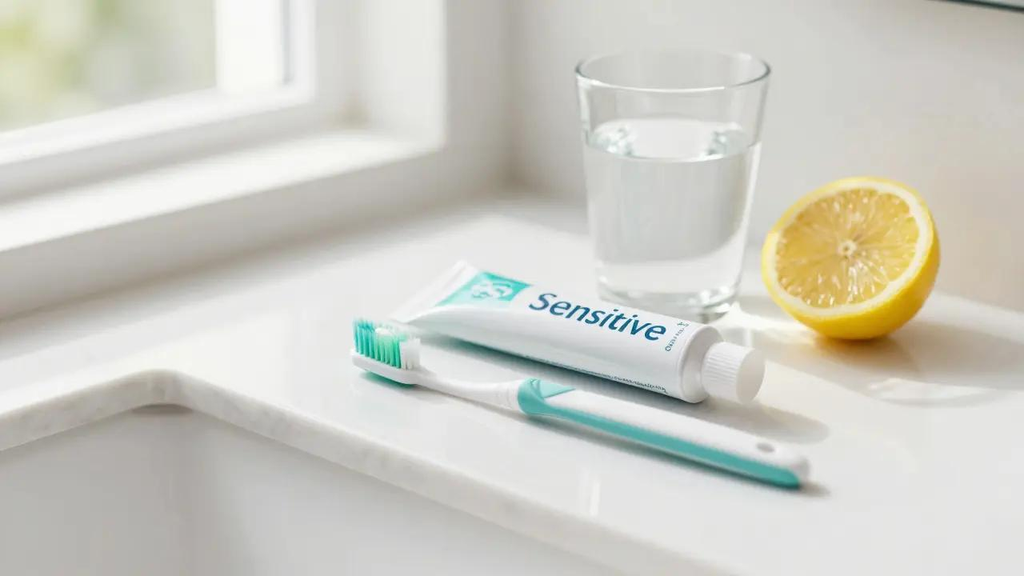
If your tooth sensitivity is mild and not caused by an underlying dental problem, several simple changes can help reduce discomfort.
Here are 11 practical remedies to consider.
1. Use Desensitising Toothpaste
One of the most effective first steps for managing tooth sensitivity is switching to toothpaste specifically formulated for sensitive teeth.
Desensitising toothpaste contains ingredients that help reduce the transmission of sensations through exposed dentine or block the tiny channels leading towards the tooth nerve.
Look for products containing ingredients such as:
- Potassium nitrate.
- Stannous fluoride.
- Arginine.
- Calcium sodium phosphosilicate.
Different formulations work in different ways, and you may need to use the product consistently before noticing an improvement.
How to use it:
- Brush twice daily using a suitable sensitive-teeth toothpaste.
- Use a soft-bristled toothbrush.
- Avoid rinsing your mouth excessively immediately after brushing.
- Apply a small amount directly to the sensitive area before bedtime if the product instructions allow it.
Desensitising toothpaste is generally a good starting point, but it will not repair a cavity or cracked tooth.
2. Brush With a Soft-Bristled Toothbrush
Changing your toothbrush can make a noticeable difference if aggressive brushing contributes to your tooth sensitivity.
A soft-bristled toothbrush helps remove plaque without unnecessary pressure on enamel and gums.
For better results:
- Brush gently for two minutes.
- Use small circular movements.
- Avoid horizontal scrubbing.
- Replace your toothbrush approximately every three months or sooner if the bristles become damaged.
- Consider a pressure-sensitive electric toothbrush.
Remember that effective cleaning depends on technique rather than brushing harder.
3. Reduce Acidic Foods and Drinks
Reducing frequent exposure to acidic foods and drinks can help prevent further enamel erosion.
Consider limiting:
- Carbonated drinks.
- Citrus fruit juices.
- Energy drinks.
- Lemon-based beverages.
- Frequent vinegar-based snacks.
If you enjoy acidic foods, try consuming them with meals instead of eating or drinking them repeatedly throughout the day.
After consuming something acidic, rinse your mouth with plain water.
Important: Wait at least 30–60 minutes before brushing after acidic foods or drinks. Brushing immediately can cause further wear while enamel is temporarily softened.
4. Rinse Your Mouth With Plain Water
Rinsing your mouth with plain water after meals can help wash away food particles and dilute acids.
This is a simple habit that may help reduce the effects of acidic foods and beverages.
For example, after drinking orange juice or eating citrus fruit, gently rinse your mouth with water.
Water does not reverse existing enamel loss, but it can support better everyday oral hygiene.
5. Avoid Extremely Hot and Cold Foods
If your teeth react strongly to temperature changes, temporarily avoiding extreme temperatures may help reduce discomfort.
Try choosing:
- Room-temperature water.
- Lukewarm tea.
- Foods that are not frozen.
- Less acidic snacks.
- Softer foods if chewing is uncomfortable.
You do not need to avoid every hot or cold food permanently. The aim is to reduce painful triggers while addressing the underlying cause of tooth sensitivity.
6. Use Fluoride Toothpaste
Fluoride helps strengthen tooth enamel and supports remineralisation of early weakened areas.
For adults in the UK, the NHS recommends using toothpaste containing at least 1,350 parts per million (ppm) fluoride.
To protect your teeth:
- Brush twice daily.
- Use an appropriate fluoride toothpaste.
- Spit out the toothpaste after brushing.
- Avoid rinsing immediately with water.
Fluoride toothpaste can help protect against decay and support oral health, although it cannot rebuild enamel that has already been permanently lost.
7. Stop Using Highly Abrasive Whitening Products
Some whitening products and abrasive toothpastes can contribute to discomfort, especially when teeth already have weakened enamel.
If you experience tooth sensitivity after whitening, consider stopping the treatment until you have spoken to a dental professional.
Avoid products that promise unusually fast whitening without appropriate dental guidance.
For further advice, explore our article on safe teeth whitening methods.
8. Try a Desensitising Mouthwash
Some mouthwashes are specifically formulated to help people with sensitive teeth.
Depending on their ingredients, these products may help reduce discomfort and support everyday oral hygiene.
When choosing a mouthwash:
- Look for products designed for sensitive teeth.
- Prefer alcohol-free formulations if alcohol irritates your mouth.
- Follow the manufacturer’s instructions.
- Ask your dentist or pharmacist if you are unsure which product is appropriate.
A mouthwash should complement brushing and interdental cleaning rather than replace them.
9. Avoid Teeth Grinding
If you grind your teeth during sleep, reducing the pressure placed on your teeth may help prevent additional enamel wear.
Helpful steps include:
- Avoiding excessive caffeine late in the day.
- Establishing a relaxing bedtime routine.
- Managing stress.
- Avoiding chewing hard objects.
- Discussing a custom night guard with your dentist.
A night guard protects your teeth from grinding damage, although it does not necessarily stop the underlying habit.
10. Maintain Good Daily Oral Hygiene
Consistent oral hygiene is essential for preventing many dental problems associated with tooth sensitivity.
Your routine should include:
- Brushing twice daily with fluoride toothpaste.
- Cleaning between teeth daily using floss or interdental brushes.
- Limiting sugary snacks and drinks.
- Drinking plenty of water.
- Attending regular dental check-ups.
Keeping plaque under control helps reduce the risk of tooth decay and gum disease.
You can also read our guide to bad breath causes and how a dentist can help for more information about maintaining good oral hygiene.
11. Choose Tooth-Friendly Foods
Your diet can influence the health of your teeth and gums.
Choosing a balanced diet and reducing frequent sugar exposure can help protect enamel and lower the risk of dental decay.
Consider including:
- Milk and plain yoghurt.
- Cheese.
- Leafy green vegetables.
- Eggs.
- Fish.
- Water.
- Fibre-rich vegetables.
Calcium-rich foods support general dental health, while drinking water helps maintain a healthy mouth.
No particular food can cure tooth sensitivity, but healthier eating habits can support your overall oral health.
Which At-Home Remedies Work Best for Tooth Sensitivity?
Not every remedy works in the same way. The most appropriate option depends on the cause of your symptoms.
| Remedy | Potential benefit | Best suited for |
|---|---|---|
| Desensitising toothpaste | Reduces sensitivity triggers | Exposed dentine |
| Soft toothbrush | Reduces brushing-related wear | Aggressive brushing |
| Fluoride toothpaste | Strengthens and protects enamel | Everyday prevention |
| Plain water rinsing | Helps dilute acids | After meals |
| Reducing acidic foods | Limits further enamel erosion | Acid-related sensitivity |
| Desensitising mouthwash | Supports sensitivity management | Everyday oral care |
| Night guard | Protects against grinding damage | Bruxism |
| Tooth-friendly diet | Supports dental health | Long-term prevention |
Important: These remedies can help manage mild symptoms, but they are not substitutes for dental treatment when tooth decay, infection, a cracked tooth or gum disease is responsible.
Foods and Drinks to Avoid When You Have Sensitive Teeth
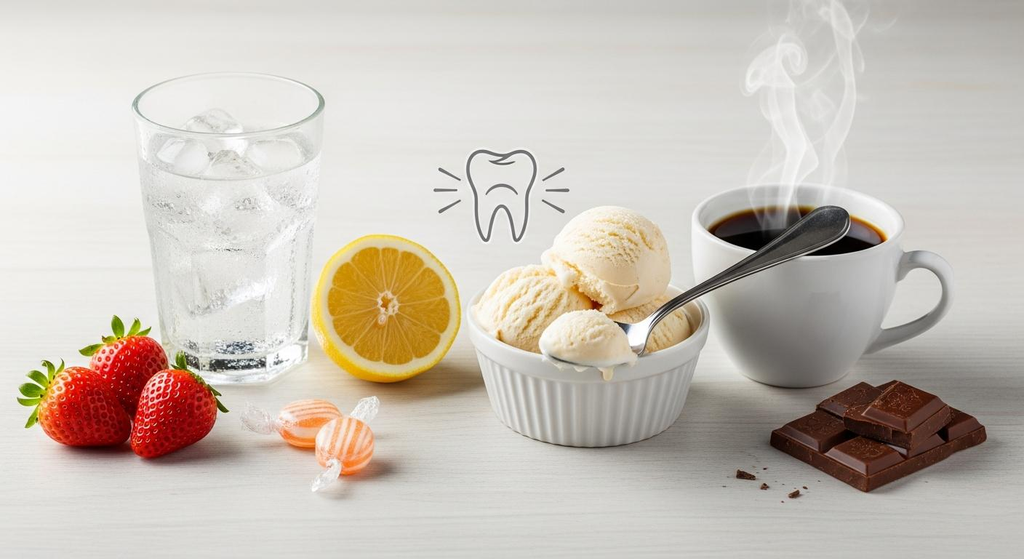
Certain foods and drinks can trigger or worsen tooth sensitivity, particularly when enamel is already weakened.
Here are some common examples.
| Food or drink | Why it may trigger sensitivity | Better approach |
|---|---|---|
| Ice cream | Very low temperature | Allow it to soften slightly |
| Fizzy drinks | Acidity and sugar | Choose plain water |
| Lemon juice | High acidity | Limit frequent exposure |
| Orange juice | Contains natural acids | Have it with meals |
| Sweets | Sugar increases decay risk | Reduce frequency |
| Energy drinks | Often highly acidic | Avoid frequent consumption |
| Very hot tea | Temperature trigger | Allow it to cool |
| Frozen desserts | Extreme cold | Choose less cold alternatives |
You do not necessarily need to eliminate every item from your diet. Focus on reducing frequent exposure and identifying which foods trigger your symptoms.
How to Prevent Tooth Sensitivity in the Future
Preventing tooth sensitivity is easier when you maintain consistent dental care and address potential problems early.
Here are some practical habits that can help.
Brush Twice Daily
Brush your teeth for two minutes in the morning and before bedtime.
Use a soft-bristled toothbrush and fluoride toothpaste containing at least 1,350 ppm fluoride if you are an adult.
Clean Between Your Teeth
Floss or use interdental brushes daily to remove plaque and food particles from areas your toothbrush cannot reach.
This helps reduce the risk of gum disease and tooth decay.
Reduce Sugary Snacks
Frequent sugar consumption increases the risk of tooth decay.
Try keeping sugary foods and drinks to mealtimes rather than consuming them throughout the day.
Avoid Excessive Brushing Pressure
Gentle brushing is more effective for protecting your gums and enamel than aggressive scrubbing.
If you regularly brush too hard, consider a pressure-controlled electric toothbrush.
Attend Regular Dental Check-Ups
Dental appointments help identify early signs of tooth decay, gum recession and enamel erosion.
Your dentist can also identify the reason for recurring tooth sensitivity and recommend appropriate treatment.
Avoid Using Your Teeth as Tools
Do not use your teeth to open packaging, bite hard objects or crack nuts.
These habits can cause small fractures that may lead to pain and sensitivity.
Address Teeth Grinding Early
If you suspect that you grind your teeth, speak to your dentist before significant enamel damage develops.
A suitable mouth guard may help protect your teeth.
When Should You See a Dentist for Tooth Sensitivity?
Although mild tooth sensitivity can sometimes improve with home care, certain symptoms require professional assessment.
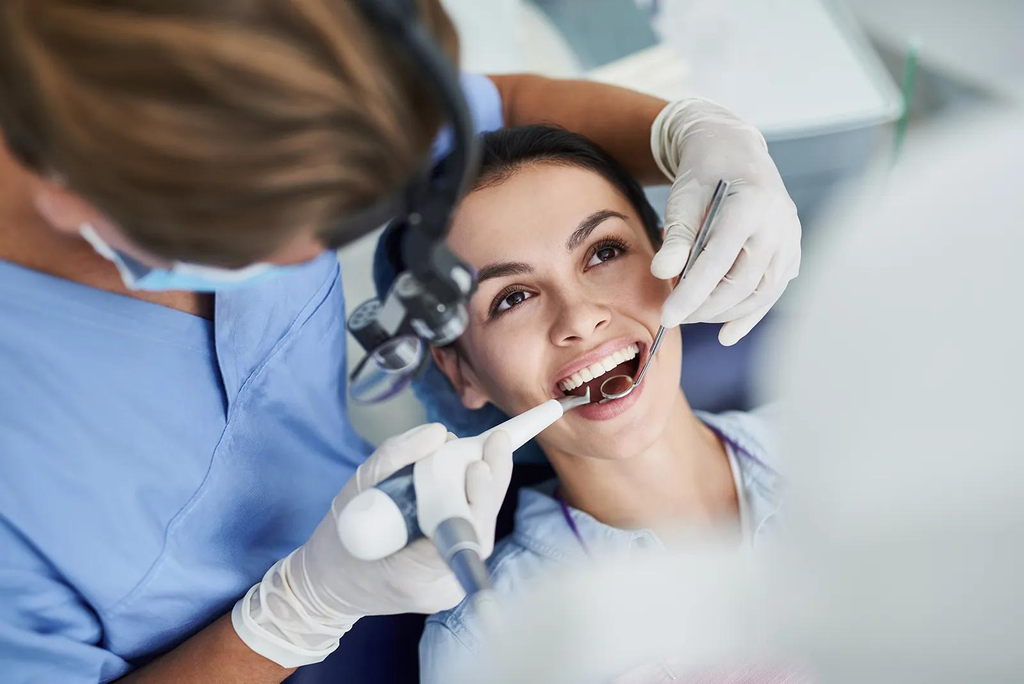
Consider booking a dental appointment if:
- Your sensitivity continues for several weeks.
- Only one tooth is affected.
- The pain suddenly develops without an obvious reason.
- You experience pain when biting.
- Your gums are swollen, painful or bleeding.
- You notice visible holes, cracks or discolouration.
- Your sensitivity is getting progressively worse.
- Hot or cold sensitivity lingers rather than disappearing quickly.
These symptoms may indicate tooth decay, a cracked tooth, gum disease or another condition that requires treatment.
When Is Tooth Sensitivity a Dental Emergency?
Seek urgent dental advice if you experience:
- Severe tooth pain affecting sleep or daily activities.
- Pain that does not improve with appropriate pain relief.
- Facial or jaw swelling.
- A suspected dental abscess.
- Fever alongside dental pain.
- A broken or knocked-out tooth.
In England, contact your dentist or NHS 111 for urgent dental advice if you cannot access your usual dental practice.
Call 999 or attend A&E if you have severe swelling affecting your breathing or swallowing, or another serious emergency.
For more information, read our guide to getting an emergency dentist in the UK.
You can also learn about same-day NHS emergency dental treatment.
How Do Dentists Treat Tooth Sensitivity?
The treatment depends on the underlying cause of tooth sensitivity.
Your dentist will usually examine your teeth and gums, ask about your symptoms and may recommend dental X-rays if necessary.
Possible treatments include:
1. Professional Fluoride Treatment
Your dentist may apply fluoride varnish or another professional fluoride treatment to help protect exposed tooth surfaces and reduce sensitivity.
2. Desensitising Dental Products
Professional desensitising agents can help reduce discomfort when ordinary toothpaste is insufficient.
3. Dental Fillings
If tooth decay or worn areas are responsible, a filling may be required to protect the affected tooth.
4. Treatment for Gum Disease
If gum disease contributes to exposed roots, your dentist may recommend professional cleaning and a suitable gum-care programme.
5. Dental Bonding
Bonding materials can cover certain exposed areas and help reduce sensitivity.
6. Dental Crowns
A crown may be recommended when a tooth is significantly damaged or weakened.
7. Root Canal Treatment
If the inner pulp of a tooth becomes irreversibly inflamed or infected, root canal treatment may be necessary.
It is important to understand that ordinary dentine sensitivity does not automatically mean you need a root canal.
Your dentist will recommend treatment based on the examination and diagnosis.
For additional information, read our guide to root canal treatment and NHS costs in the UK.
NHS Dental Treatment for Tooth Sensitivity in the UK
If you live in the UK, you can access dental care through an NHS dentist or a private dental practice.
The NHS may provide treatment for dental problems such as tooth decay, gum disease and damaged teeth when clinically necessary.
However, NHS dental availability and charges differ across the UK.
How to Find an NHS Dentist
You can search for an NHS dentist through the official NHS website in England.
If you cannot find a dentist accepting new NHS patients, consider:
- Contacting local dental practices directly.
- Asking whether they maintain a waiting list.
- Checking other practices in your local area.
- Contacting NHS 111 in England if you need urgent dental advice.
Read our related guide: How to Find an NHS Dentist in 2026.
How Much Does NHS Dental Treatment Cost?
In England, NHS dental charges depend on the treatment required and the applicable NHS dental charge bands.
You may qualify for free NHS dental treatment depending on your age, circumstances or eligibility for certain benefits.
For more details, read:
Note: Prescription-charge exemptions and NHS dental-charge exemptions have different eligibility rules.
Tooth Sensitivity vs Toothache: What’s the Difference?
Tooth sensitivity and toothache can feel similar, but they are not necessarily caused by the same problem.
| Feature | Tooth sensitivity | Toothache |
|---|---|---|
| Pain type | Usually sharp and brief | May be persistent or throbbing |
| Common triggers | Hot, cold, sweet or acidic foods | Decay, infection or damaged teeth |
| Duration | Often disappears quickly after the trigger | May continue or worsen |
| Common causes | Exposed dentine or worn enamel | Cavities, abscesses or cracked teeth |
| Treatment | Desensitising toothpaste or dental treatment | Depends on the underlying cause |
If discomfort continues after the trigger has disappeared, do not assume it is ordinary tooth sensitivity.
Persistent tooth pain may require a dental examination.
Frequently Asked Questions About Tooth Sensitivity
1. What is the main cause of tooth sensitivity?
The main cause is usually exposed dentine beneath the protective enamel or gum tissue. This can happen because of enamel erosion, gum recession, aggressive brushing or dental problems such as cavities.
2. How can I stop tooth sensitivity quickly?
Start by using desensitising toothpaste, brushing gently with a soft-bristled toothbrush and avoiding extremely hot, cold or acidic foods. However, persistent or severe discomfort needs professional dental assessment.
3. Can sensitive teeth go back to normal?
Yes, symptoms can improve considerably when the underlying cause is managed. Desensitising toothpaste and fluoride treatments can help. However, permanently lost enamel does not naturally grow back.
4. Does salt water help sensitive teeth?
A mild saltwater rinse may help soothe irritated gums, but it is not an established treatment for dentine hypersensitivity. Desensitising toothpaste is generally a more appropriate first option for ordinary tooth sensitivity.
5. Which toothpaste is best for sensitive teeth?
Look for a fluoride-containing toothpaste specifically formulated for sensitive teeth. Ingredients such as potassium nitrate, stannous fluoride and calcium sodium phosphosilicate may help reduce sensitivity.
6. Why are my teeth suddenly sensitive?
Sudden sensitivity can result from enamel damage, gum recession, tooth decay, a cracked tooth or recent dental treatment. If one tooth becomes suddenly sensitive, arrange a dental examination.
7. Can tooth sensitivity be a sign of a cavity?
Yes. Tooth decay can cause sharp discomfort when eating or drinking hot, cold or sweet foods. A dentist can examine the affected tooth and determine whether a cavity is present.
8. Does drinking cold water damage sensitive teeth?
Cold water does not usually damage healthy teeth. However, it can trigger discomfort when dentine is exposed or another dental problem is present.
9. How long does sensitive tooth pain last?
Ordinary dentine sensitivity often produces a brief, sharp sensation that disappears shortly after the trigger is removed. Pain that lingers, worsens or becomes persistent should be assessed by a dentist.
10. Can stress cause tooth sensitivity?
Stress can contribute indirectly by increasing teeth clenching or grinding. Repeated grinding can wear enamel and contribute to tooth sensitivity.
11. When should I worry about sensitive teeth?
Seek dental advice if sensitivity is severe, affects only one tooth, develops suddenly, lasts several weeks or is accompanied by swelling, fever or pain when chewing. Severe swelling affecting breathing or swallowing requires emergency medical attention.
Conclusion: Take Control of Tooth Sensitivity Before It Gets Worse
Tooth sensitivity can make simple everyday activities, from drinking morning tea to enjoying your favourite food, uncomfortable. However, it does not mean you have to live with persistent dental discomfort.
Understanding the causes of tooth sensitivity is the first step towards finding effective relief. Worn enamel, gum recession, aggressive brushing, acidic foods and dental problems can all contribute to sensitive teeth.
Fortunately, simple changes such as using desensitising toothpaste, brushing gently, maintaining good oral hygiene and reducing acidic drinks can make a difference.
However, home remedies are not a substitute for professional dental treatment. If tooth sensitivity is persistent, severe or affects a particular tooth, arrange an examination with your dentist to identify the underlying problem.