

Bad breath causes, medically known as halitosis, is a common problem that can affect confidence, social interactions and everyday life. While occasional bad breath after eating garlic, onions or drinking coffee is normal, persistent unpleasant breath may indicate an underlying dental or health problem.
The most common causes of bad breath include poor oral hygiene, bacteria on the tongue, gum disease, tooth decay and dry mouth. In some cases, sinus infections, tonsil problems, acid reflux and certain medications can also contribute.
The good news is that bad breath can often be treated successfully once the underlying cause is identified. A dentist can examine your teeth, gums and tongue, identify possible sources of odour and recommend appropriate treatment.
In this guide, HealthCresto explains the main causes of bad breath, how dentists diagnose and treat halitosis, NHS dental treatment options and practical ways to maintain fresh breath.
What Is Bad Breath (Halitosis)?
Bad breath, or halitosis, refers to an unpleasant smell coming from the mouth. It can happen occasionally or become a persistent problem that continues despite brushing your teeth.
In many cases, bad breath develops when bacteria in the mouth break down food particles and proteins, producing unpleasant-smelling gases called volatile sulphur compounds.
These bacteria commonly accumulate:
- On the back of the tongue.
- Between teeth.
- Around the gum line.
- Inside cavities and damaged teeth.
- Around poorly cleaned dentures or dental appliances.
Morning breath is particularly common because saliva production decreases during sleep, allowing bacteria to accumulate.
However, persistent bad breath should not be ignored, especially when accompanied by bleeding gums, toothache or an unpleasant taste.
What Bad Breath Causes?
Understanding the underlying cause is the first step towards finding the right treatment.
Here are some of the most common causes of bad breath.
1. Poor Oral Hygiene
Poor oral hygiene is one of the leading causes of persistent bad breath.
When teeth are not cleaned properly, food particles and plaque accumulate around the teeth and gums. Bacteria break down these particles and release unpleasant-smelling compounds.
Common contributing factors include:
- Not brushing twice daily.
- Skipping flossing or interdental cleaning.
- Allowing plaque to build up.
- Not cleaning the tongue.
- Wearing poorly cleaned dentures.
What helps?
Brush your teeth twice daily for two minutes using fluoride toothpaste. Clean between your teeth every day and gently clean your tongue to remove bacterial build-up.
2. Gum Disease
Gum disease, also called periodontal disease, occurs when plaque bacteria cause inflammation and infection around the gums.
It can contribute to persistent bad breath and an unpleasant taste in the mouth.
Common warning signs include:
- Bleeding gums when brushing.
- Red or swollen gums.
- Tenderness around the teeth.
- Persistent bad breath.
- Receding gums.
- Loose adult teeth in more advanced cases.
If you notice these symptoms, arrange a dental appointment.
Your dentist may recommend professional cleaning, improved oral hygiene or more specialised periodontal treatment depending on the severity.
You can also read our guide to gum disease treatment in the UK: NHS vs private costs.
3. Tooth Decay and Dental Infections
Tooth decay creates damaged areas in the teeth where bacteria and food debris can accumulate.
If cavities become larger, they may contribute to unpleasant breath. Infections and dental abscesses can also produce a foul smell or taste.
Possible symptoms include:
- Toothache.
- Sensitivity to hot or cold foods.
- Pain when biting.
- Swelling around the affected tooth.
- A persistent unpleasant taste.
Treatment depends on the extent of the damage and may involve fillings, root canal treatment or, in some cases, extraction.
Read our guide to root canal treatment and NHS costs in the UK to understand how infected teeth may be treated.
4. Dry Mouth
Dry mouth, medically known as xerostomia, happens when your mouth does not produce enough saliva.
Saliva helps wash away food particles and bacteria. When saliva production decreases, bacteria can accumulate more easily, contributing to bad breath.
Common causes include:
- Dehydration.
- Certain prescription medications.
- Smoking.
- Alcohol consumption.
- Sleeping with your mouth open.
- Some medical conditions.
What helps?
Drink water regularly, consider sugar-free chewing gum to stimulate saliva production and ask your dentist or GP about persistent dry mouth.
Do not stop prescribed medication without speaking to your healthcare professional.
5. Certain Foods and Drinks
Some foods and drinks can temporarily affect how your breath smells.
Common examples include:
- Garlic.
- Onions.
- Strong spices.
- Coffee.
- Alcohol.
- Foods with strong flavours.
These effects are generally temporary and improve as the substances leave your system.
Maintaining good oral hygiene and drinking enough water can help manage temporary bad breath.
6. Smoking and Tobacco Use
Smoking can cause persistent bad breath because tobacco leaves an unpleasant smell in the mouth.
It can also contribute to dry mouth, plaque accumulation and an increased risk of gum disease.
Stopping smoking can improve breath freshness and support better oral health.
7. Tonsil Stones and Throat Infections
Tonsil stones are small deposits that develop when food particles, bacteria and debris become trapped in the folds of the tonsils.
They may produce an unpleasant smell and cause:
- Persistent bad breath.
- A sensation that something is stuck in the throat.
- An unpleasant taste.
- Visible white or yellow deposits on the tonsils.
Tonsillitis and other throat infections can also contribute to unpleasant breath.
If you regularly experience these symptoms, speak to your GP or dentist for appropriate assessment.
8. Acid Reflux and Other Medical Conditions
Some health conditions can contribute to bad breath.
These include:
- Gastro-oesophageal reflux disease (GORD).
- Sinus infections.
- Respiratory infections.
- Diabetes.
- Certain liver or kidney conditions.
These causes are less common than problems originating in the mouth.
If your dentist cannot identify an oral health problem, they may recommend speaking to your GP for further assessment.
How Can a Dentist Help With Bad Breath?
A dentist can identify whether bad breath is related to your teeth, gums, tongue or another oral health issue.
Instead of simply recommending mouthwash, they will usually investigate the underlying cause.

1. Examining Your Teeth and Gums
Your dentist will examine your mouth for:
- Plaque and tartar accumulation.
- Tooth decay and cavities.
- Gum inflammation.
- Signs of periodontal disease.
- Dental infections.
- Problems with dentures or dental appliances.
This examination helps identify potential sources of unpleasant breath.
2. Professional Dental Cleaning
If plaque and tartar are contributing to bad breath, your dentist or dental hygienist may recommend professional cleaning.
This can involve scaling to remove hardened deposits and cleaning around the gum line.
Professional cleaning can improve oral hygiene and help manage gum-related bad breath.
3. Treating Gum Disease
If gum disease is responsible, treatment will depend on its severity.
Your dentist may recommend:
- Professional plaque and tartar removal.
- Improved brushing and interdental cleaning.
- More intensive cleaning below the gum line.
- Periodontal treatment.
- Follow-up appointments to monitor gum health.
Treating gum disease can reduce inflammation and help improve persistent bad breath.
4. Treating Tooth Decay and Dental Infections
If cavities or infected teeth are causing unpleasant breath, your dentist will recommend appropriate treatment.
Depending on the condition, this may include:
- Dental fillings.
- Root canal treatment.
- Dental extraction.
- Treatment of a dental abscess.
Treating the infection or damaged tooth addresses the underlying problem rather than temporarily covering up the smell.
5. Recommending Appropriate Mouthwash
Some antibacterial mouthwashes can help reduce the bacteria responsible for bad breath.
Depending on your symptoms, your dentist may recommend a suitable product containing ingredients such as chlorhexidine or other antibacterial agents.
However, mouthwash is generally an additional measure rather than a replacement for brushing, interdental cleaning and professional treatment.
Long-term use of chlorhexidine can cause tooth staining and other side effects, so follow your dentist’s instructions.
6. Identifying Possible Non-Dental Causes
If your mouth appears healthy and dental treatment does not resolve the problem, your dentist may suggest further medical assessment.
Depending on your symptoms, this could involve speaking to your GP about:
- Persistent dry mouth.
- Acid reflux.
- Sinus problems.
- Tonsil infections.
- Medication-related side effects.
This helps ensure that the underlying cause is not overlooked.
How Is Bad Breath Diagnosed?
A dentist can usually identify oral causes through a clinical examination and questions about your symptoms.
During your appointment, they may:
- Ask when the bad breath started and whether it occurs throughout the day.
- Review your brushing, flossing and tongue-cleaning routine.
- Examine your teeth for cavities and infections.
- Check your gums for bleeding, inflammation and periodontal pockets.
- Look for tongue coating, dry mouth and poorly fitting dental appliances.
- Review relevant medication and lifestyle factors.
In some cases, your dentist may recommend further investigation or refer you to another healthcare professional.
How to Get Rid of Bad Breath at Home
Good oral hygiene is essential for preventing and managing most cases of bad breath.
The NHS recommends several practical steps to maintain a clean and healthy mouth.
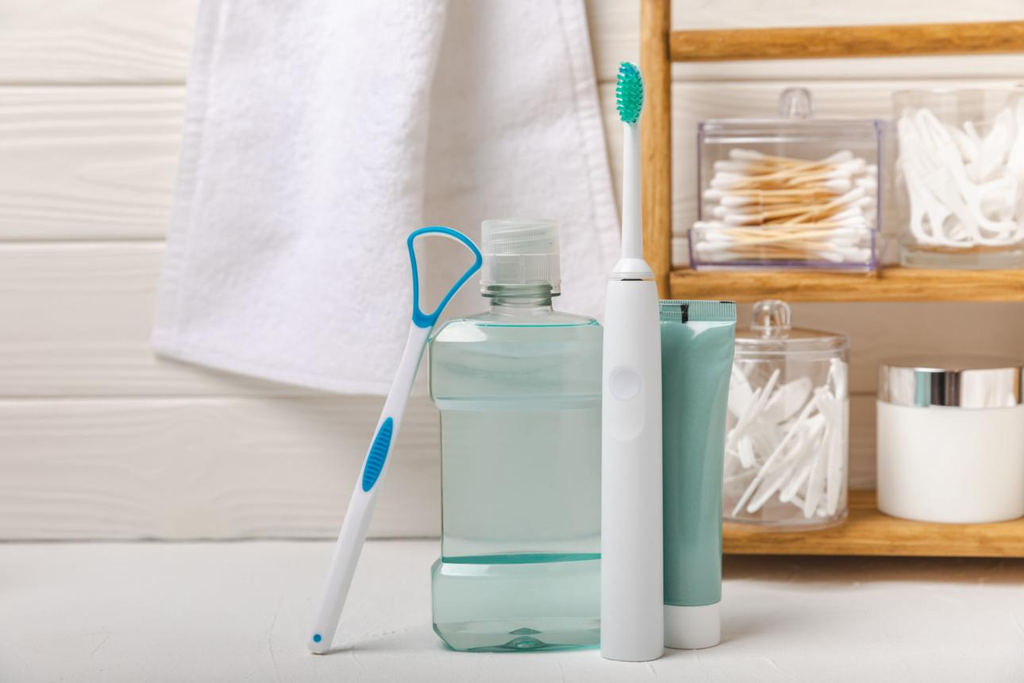
1. Brush Your Teeth Twice a Day
Brush your teeth for two minutes, last thing at night and at least once during the day.
Use fluoride toothpaste and a soft-bristled toothbrush.
Pay attention to the gum line, where plaque can accumulate.
2. Clean Your Tongue Daily
The back of your tongue can collect bacteria and debris that contribute to unpleasant breath.
Use a tongue scraper or gently brush your tongue once daily.
Avoid scraping too aggressively, as this can irritate the surface.
3. Floss or Use Interdental Brushes
Food particles can become trapped between teeth, creating an environment where bacteria multiply.
Clean between your teeth at least once daily using dental floss or appropriately sized interdental brushes.
4. Drink Enough Water
Dehydration can contribute to dry mouth and unpleasant breath.
Drink water regularly throughout the day, particularly if you exercise, consume caffeinated drinks or spend time in a warm environment.
5. Avoid Smoking
Smoking can worsen bad breath and increase the risk of gum disease.
Stopping smoking is one of the most beneficial steps you can take for your oral health.
6. Keep Dentures and Dental Appliances Clean
If you wear dentures, retainers or other removable dental appliances, clean them according to your dentist’s instructions.
Remove dentures at night unless your dental professional has advised otherwise.
7. Use Mouthwash Correctly
An appropriate mouthwash may help reduce bacteria and temporarily improve breath freshness.
However, mouthwash should not replace brushing, flossing or professional dental treatment.
If you regularly need mouthwash to cover unpleasant breath, arrange a dental check-up.
When Should You See a Dentist About Bad Breath?
Occasional bad breath is usually nothing to worry about. However, persistent symptoms may indicate an underlying dental problem.
Consider booking a dental appointment if you experience:
- Bad breath that continues for several weeks despite good oral hygiene.
- Bleeding, swollen or painful gums.
- Persistent unpleasant taste in your mouth.
- Toothache or increased tooth sensitivity.
- Loose adult teeth.
- Problems with dentures.
- Repeated gum infections.
Important health advice
Seek urgent dental assessment if you develop significant facial or mouth swelling, particularly alongside fever or worsening pain. If swelling makes it difficult to breathe, swallow or speak, seek emergency medical help immediately.
A mouth ulcer lasting longer than three weeks, an unexplained mouth lump or a red or white patch should also be assessed promptly by a dentist or doctor.
For guidance on accessing urgent dental care, read our article about how to get same-day NHS dental emergency treatment.
Can You Get NHS Treatment for Bad Breath?
Yes. If bad breath is linked to an underlying dental condition, NHS dental services may provide clinically necessary treatment.
Depending on your dental needs, treatment may include:
- Dental examinations.
- Treatment for tooth decay.
- Fillings.
- Clinically necessary extractions.
- Treatment for gum disease.
- Other appropriate restorative or preventive care.
NHS dental treatment availability and charges depend on where you live and the treatment required.
In England, NHS dental charges are organised into treatment bands, while Scotland, Wales and Northern Ireland have different charging arrangements.
You can read our guides to:
- NHS dental charges in England: 2026 price guide
- How to find an NHS dentist in 2026
- Why UK dental waiting lists are so long
If you cannot find an NHS dentist accepting new patients, contact NHS 111 for advice about accessing dental care.
Bad Breath vs Morning Breath: What’s the Difference?
Not all bad breath indicates a dental problem.
Morning breath is usually temporary because saliva production decreases while you sleep. This allows bacteria and odour-producing compounds to accumulate.
Persistent halitosis is different because the unpleasant smell continues during the day, even after brushing.
| Feature | Morning breath | Persistent bad breath |
|---|---|---|
| Duration | Usually temporary | Continues regularly |
| Main cause | Reduced saliva during sleep | Oral bacteria or underlying conditions |
| Improves after brushing | Usually yes | May not improve |
| Requires dental assessment | Not usually | Recommended if persistent |
If bad breath continues despite good oral hygiene, a dentist can help investigate the cause.
Can Bad Breath Be a Sign of Something Serious?
Most cases of bad breath are associated with oral health problems, dry mouth or lifestyle factors.
However, persistent symptoms can sometimes be associated with other medical conditions.
Examples include:
- Diabetes: Changes in breath odour can occasionally occur with poorly controlled diabetes. Fruity-smelling breath alongside vomiting, abdominal pain, deep or rapid breathing or confusion can indicate diabetic ketoacidosis, which requires emergency medical treatment.
- Sinus infections: Nasal congestion and infected mucus can contribute to unpleasant breath.
- Acid reflux: Stomach acid moving into the oesophagus can cause an unpleasant taste and contribute to breath problems.
- Tonsil problems: Tonsil stones and infections can cause persistent unpleasant smells.
- Dry mouth: Reduced saliva production can allow odour-producing bacteria to accumulate.
If dental examinations do not identify a cause, your dentist may recommend a GP appointment.
How to Prevent Bad Breath Long-Term
Maintaining a consistent oral hygiene routine can significantly reduce the risk of recurring bad breath.
Follow these simple habits:
- Brush twice daily with fluoride toothpaste.
- Clean your tongue every day.
- Floss or use interdental brushes daily.
- Drink water regularly.
- Limit sugary foods and drinks.
- Avoid smoking and tobacco products.
- Clean dentures and retainers properly.
- Attend regular dental check-ups.
- Seek treatment for bleeding gums and tooth decay.
Remember that fresh breath comes from maintaining good oral health, not simply masking unpleasant smells with mints or mouthwash.
Frequently Asked Questions About Bad Breath
1. What is the most common cause of bad breath?
Poor oral hygiene and bacterial build-up on the tongue, between teeth and around the gums are common causes. Gum disease and tooth decay can also contribute to persistent unpleasant breath.
2. Can a dentist permanently cure bad breath?
A dentist can often resolve bad breath when it is caused by dental problems such as gum disease, tooth decay or oral infections. However, the long-term outcome depends on the underlying cause and ongoing oral hygiene.
3. Why does my breath smell bad even after brushing?
Bad breath can continue after brushing if bacteria remain on the tongue, between teeth or around the gums. Dry mouth, gum disease, dental infections and certain medical conditions can also contribute.
4. Can gum disease cause bad breath?
Yes. Gum disease can cause persistent bad breath and an unpleasant taste because bacteria accumulate around infected gum tissues.
5. Does mouthwash get rid of bad breath?
Some antibacterial mouthwashes can reduce odour-producing bacteria and improve breath freshness. However, they may only provide temporary relief if an underlying dental problem remains untreated.
6. Can dehydration cause bad breath?
Yes. Dehydration can reduce saliva production, allowing bacteria and food debris to accumulate in the mouth.
7. Should I visit a dentist or GP for bad breath?
A dentist is generally the best first contact because many cases originate in the mouth. If no dental cause is identified, your dentist may recommend seeing your GP.
8. Is persistent bad breath a sign of diabetes?
Bad breath alone does not diagnose diabetes. However, unusual fruity-smelling breath accompanied by symptoms such as excessive thirst, frequent urination, vomiting or abdominal pain needs medical assessment. Suspected diabetic ketoacidosis is an emergency.
9. Can bad breath come from the stomach?
It is possible for conditions such as acid reflux to contribute to unpleasant breath. However, most persistent cases originate in the mouth rather than the stomach.
10. How long does it take to get rid of bad breath?
Temporary bad breath may improve within hours after eating or drinking something with a strong smell. Bad breath caused by gum disease, tooth decay or other dental problems may take longer and requires appropriate treatment.
Conclusion
Bad breath is common, but persistent halitosis should not be ignored. Although foods, dehydration and morning dryness can temporarily affect breath freshness, ongoing symptoms may indicate gum disease, tooth decay, dry mouth or another underlying condition.
A dentist can examine your teeth, gums and tongue, identify the possible cause and recommend appropriate treatment.
Maintaining good oral hygiene, drinking enough water and attending regular dental appointments can help prevent recurring problems.