
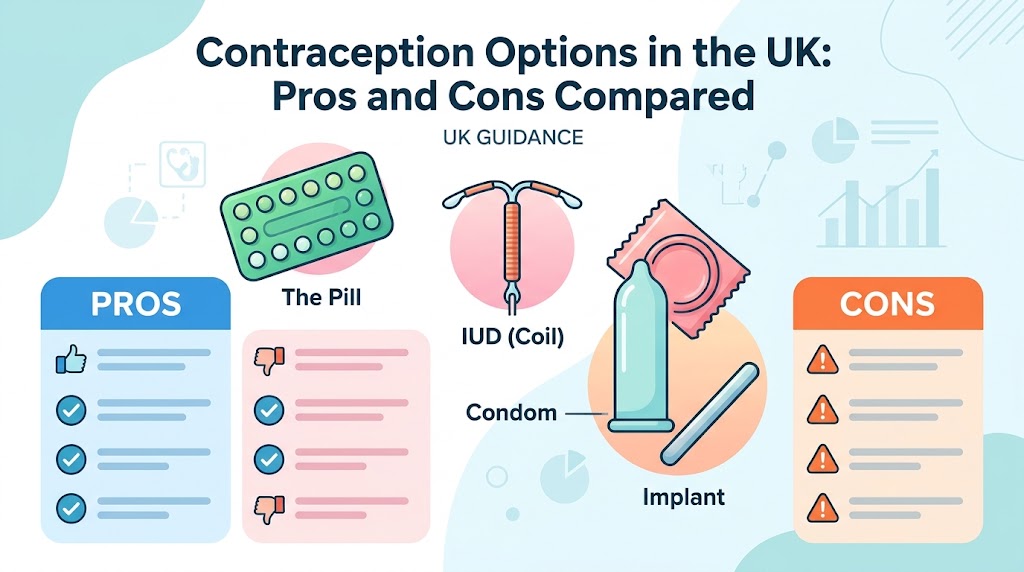
Choosing between the different contraception options in the UK can feel overwhelming, particularly when you are comparing effectiveness, possible side effects, costs and convenience. From the contraceptive pill and condoms to hormonal implants and coils, there are several methods available through NHS services to help prevent unwanted pregnancy.
The best contraception depends on your health, lifestyle, preferences and whether you want to become pregnant in the future. Some methods require daily attention, while others provide protection for several years without regular maintenance. Some contain hormones, while others are completely hormone-free.
This guide compares the most common contraceptive methods available in the UK, including their advantages, disadvantages, effectiveness and how to access them through the NHS. It also explains which options may suit different needs and when to speak to a GP, pharmacist or sexual health professional.
1. What are the different contraception options in the UK?
Contraception refers to methods used to prevent pregnancy. Different methods work in different ways, including preventing ovulation, stopping sperm from reaching an egg or preventing a fertilised egg from developing in the womb.
The NHS offers several types of contraception, including hormonal, non-hormonal, short-term, long-acting and permanent options. NHS+1
The main options include:
- Combined contraceptive pill
- Progestogen-only pill (mini pill)
- Contraceptive implant
- Hormonal coil (IUS)
- Copper coil (IUD)
- Contraceptive injection
- Contraceptive patch
- Vaginal contraceptive ring
- Male and internal condoms
- Diaphragms and caps
- Natural family planning
- Female sterilisation and vasectomy
Each option has different benefits and limitations, so understanding how they work can help you make an informed decision.
2. Contraception effectiveness compared
One of the most important factors when choosing contraception is how effectively it prevents pregnancy.
The NHS provides effectiveness figures based on typical use and perfect use. Typical use reflects real-life situations, such as forgetting a pill or using a condom incorrectly. NHS+1
| Contraception method | Effectiveness with typical use |
|---|---|
| Contraceptive implant | Over 99% |
| Hormonal coil (IUS) | Over 99% |
| Copper coil (IUD) | Over 99% |
| Contraceptive injection | 94% |
| Combined pill | 91% |
| Mini pill | 91% |
| Contraceptive patch | 91% |
| Vaginal ring | 91% |
| Male condoms | 82% |
| Internal condoms | 79% |
| Natural family planning | 76% |
Source: NHS contraception effectiveness guidance. Figures represent typical use and may vary according to individual circumstances. NHS
Important: Long-acting reversible contraception (LARC), such as implants and coils, is generally more effective in everyday use because you do not need to remember to use it every day or during every sexual encounter.
3. Hormonal contraception options: Pros and cons
Hormonal contraception uses synthetic hormones to prevent pregnancy. Depending on the method, it may stop ovulation, thicken cervical mucus or make changes to the womb lining.
A. Combined contraceptive pill

The combined pill contains two hormones: oestrogen and progestogen. It works mainly by preventing the ovaries from releasing an egg.
It is usually taken daily, following the instructions for the particular pill prescribed.
Advantages:
- Around 91% effective with typical use.
- Can make periods lighter and more regular.
- May reduce period pain.
- Can improve acne for some people.
- Fertility generally returns quickly after stopping.
Disadvantages:
- Requires regular daily use.
- May cause headaches, nausea, breast tenderness or bleeding changes.
- Can slightly increase blood pressure.
- Carries a small risk of blood clots.
- Not suitable for everyone, particularly some people with migraine with aura or certain cardiovascular risk factors.
The combined pill should be assessed by a healthcare professional before starting, particularly if you smoke, have high blood pressure or have a history of blood clots. NHS+1
B. Progestogen-only pill (mini pill)
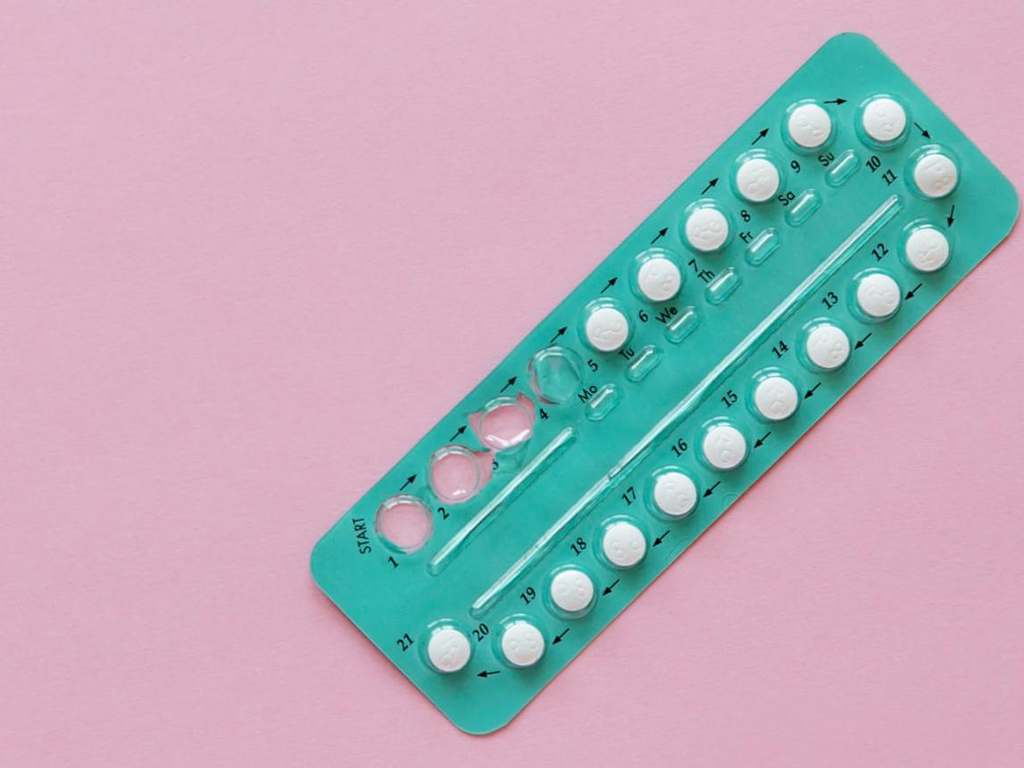
The mini pill contains progestogen but does not contain oestrogen. It is taken every day and may be suitable for people who cannot use oestrogen-containing contraception.
Advantages:
- Around 91% effective with typical use.
- Suitable for many people who cannot take oestrogen.
- Can be used while breastfeeding.
- May help reduce painful or heavy periods.
- Fertility usually returns quickly after stopping.
Disadvantages:
- Must be taken consistently according to the specific pill’s timing instructions.
- Can cause irregular periods or spotting.
- Periods may become lighter or stop completely.
- Some people report acne, mood changes or changes in sex drive.
- Not suitable for everyone.
The mini pill may be a useful alternative for people who want hormonal contraception without oestrogen. However, a pharmacist, GP or nurse should check whether it is appropriate for your medical history. NHS+2
C. Contraceptive implant

The contraceptive implant is a small flexible rod inserted under the skin of the upper arm by a trained healthcare professional. It releases progestogen to prevent pregnancy.
The NHS currently describes the implant as effective for five years. It is more than 99% effective when used correctly. NHS+1
Advantages:
- More than 99% effective.
- Provides long-term pregnancy prevention.
- No daily medication is required.
- Can be removed whenever you want.
- Fertility usually returns quickly after removal.
- Suitable for many people who cannot use oestrogen.
Disadvantages:
- Requires a minor insertion and removal procedure.
- Periods may become irregular or stop.
- Some people experience headaches, acne or breast tenderness.
- Does not protect against sexually transmitted infections (STIs).
The implant can be a convenient option if you want highly effective contraception without having to remember medication every day.
D. Hormonal coil (IUS)
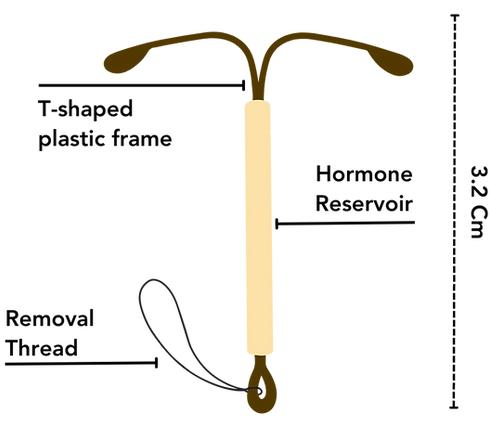
The hormonal coil, medically known as an intrauterine system (IUS), is a small T-shaped device inserted into the womb by a trained healthcare professional.
It releases progestogen and provides long-term pregnancy prevention. Depending on the type, it can last between three and eight years. NHS+1
Advantages:
- More than 99% effective.
- Provides protection for several years.
- Does not require daily attention.
- Can make periods lighter, shorter and less painful.
- May help people experiencing heavy menstrual bleeding.
- Fertility returns quickly after removal.
Disadvantages:
- Requires insertion by a trained professional.
- Some people experience discomfort during fitting.
- Irregular bleeding and spotting can occur initially.
- Hormonal side effects may occur.
- Does not protect against STIs.
The hormonal coil may be worth discussing with a healthcare professional if you experience heavy or painful periods alongside needing reliable contraception.
E. Contraceptive injection

The contraceptive injection contains progestogen and prevents pregnancy by stopping ovulation.
Depending on the type, an injection is given every eight to 13 weeks. NHS
Advantages:
- Around 94% effective with typical use.
- No daily medication is required.
- Can make periods lighter or stop them.
- Suitable for many people who cannot use oestrogen.
- Can be used while breastfeeding.
Disadvantages:
- Requires repeat injections.
- May cause irregular bleeding.
- Some people experience weight gain.
- Long-term use can temporarily weaken bones.
- Fertility may take up to a year to return after stopping.
The injection may suit people who prefer not to take daily contraception, but it may be less suitable if you are planning pregnancy in the near future. NHS+1
F. Contraceptive patch

The contraceptive patch is a small sticky patch worn on the skin. It releases oestrogen and progestogen into the bloodstream to prevent ovulation.
It is generally changed weekly according to the prescribed schedule.
Advantages:
- Around 91% effective with typical use.
- Does not require daily tablets.
- Can help regulate periods.
- May reduce period pain.
- Convenient for people who prefer not to take pills.
Disadvantages:
- Needs to be changed regularly.
- May cause skin irritation.
- Can cause headaches, nausea or breast tenderness.
- Contains oestrogen, so it is unsuitable for some people.
- Has a small increased risk of blood clots.
G. Vaginal contraceptive ring

The vaginal ring is a soft, flexible ring placed inside the vagina. It releases oestrogen and progestogen to prevent pregnancy.
Typically, it remains in place for three weeks before being removed for a scheduled break, following the instructions for the prescribed ring.
Advantages:
- Around 91% effective with typical use.
- Does not require daily tablets.
- Can make periods more predictable.
- May help reduce period pain.
- Fertility usually returns after stopping.
Disadvantages:
- Requires regular replacement.
- Some people experience vaginal irritation or discomfort.
- May cause headaches, nausea or breast tenderness.
- Contains oestrogen and is not suitable for everyone.
- Does not protect against STIs.
NHS+1
4. Non-hormonal contraception options: Pros and cons
Non-hormonal contraception is suitable for people who prefer to avoid hormonal methods or want an alternative that does not affect their natural hormone levels.
A. Copper coil (IUD)
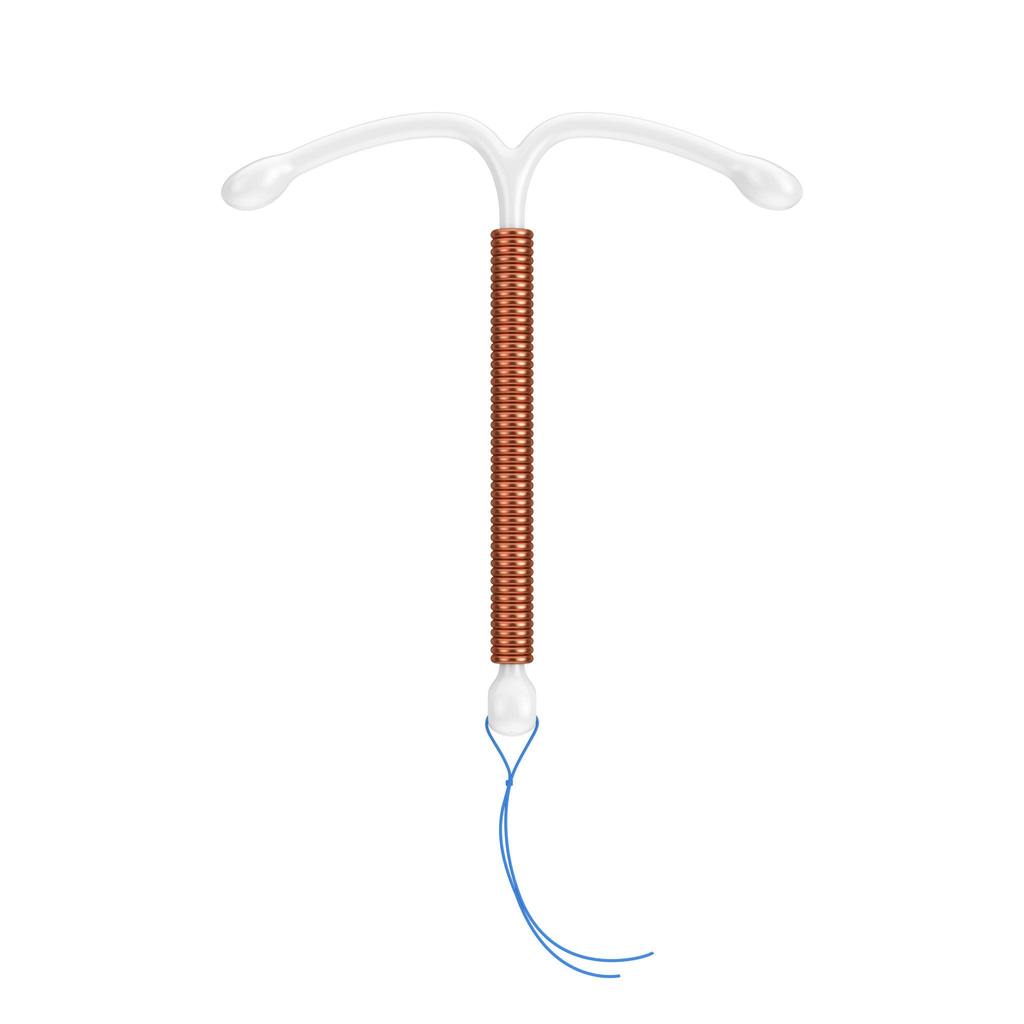
The copper coil is a small device inserted into the womb. It releases copper, which prevents sperm from fertilising an egg.
It is more than 99% effective and can last five or ten years, depending on the type. It can also be used as emergency contraception. NHS+1
Advantages:
- More than 99% effective.
- Completely hormone-free.
- Provides long-term pregnancy prevention.
- Fertility returns immediately after removal.
- Can be used as emergency contraception.
- Suitable for people who prefer non-hormonal contraception.
Disadvantages:
- Requires professional insertion.
- Periods may become heavier or more painful.
- Some people experience cramping after insertion.
- Does not protect against STIs.
It may be particularly suitable for someone who wants long-term contraception without using hormones.
B. Male condoms

Male condoms are thin protective coverings worn over the penis during sex. They prevent sperm from entering the vagina and help reduce the risk of sexually transmitted infections.
Advantages:
- Around 82% effective with typical use.
- Help protect against STIs, including HIV.
- Hormone-free.
- Easy to purchase from pharmacies and supermarkets.
- No prescription is required.
- Used only when needed.
Disadvantages:
- Must be used correctly every time.
- Can split or slip off.
- Some people experience latex sensitivity.
- Less effective with typical use than implants and coils.
Condoms are particularly important because most other contraceptive methods do not provide protection against STIs. NHS+1
C. Internal condoms
Internal condoms, sometimes called female condoms, are inserted into the vagina before sex.
Advantages:
- Help reduce pregnancy risk.
- Provide protection against STIs.
- Hormone-free.
- Can be inserted before sexual activity.
Disadvantages:
- Require correct positioning.
- May feel unfamiliar initially.
- Can move during intercourse.
- Less effective than long-acting contraceptive methods at preventing pregnancy.
D. Diaphragms and cervical caps
A diaphragm or cervical cap is a flexible device inserted into the vagina to cover the cervix and prevent sperm from entering the womb. It is generally used with spermicide.
Advantages:
- Hormone-free.
- Used only when needed.
- Can be inserted before sex.
- Does not involve taking daily medication.
Disadvantages:
- Requires correct positioning.
- May need professional fitting.
- Less effective than implants and coils.
- Does not protect against STIs.
E. Natural family planning
Natural family planning, also known as fertility awareness, involves monitoring menstrual cycles and identifying fertile days.
People use information such as body temperature, cervical mucus and menstrual patterns to estimate when pregnancy is more likely.
Advantages:
- Does not involve hormones.
- No medication or device is required.
- Helps people understand their menstrual cycle.
- Can be useful when planning pregnancy.
Disadvantages:
- Requires consistent daily monitoring.
- Can be difficult with irregular periods.
- Less effective with typical use than many other methods.
- Requires avoiding sex or using another contraceptive method during fertile days.
- Does not protect against STIs.
The NHS estimates typical-use effectiveness at around 76%, so it may not be the best choice for someone who strongly wants to avoid pregnancy. NHS+1
5. Permanent contraception: Sterilisation and vasectomy
Permanent contraception is intended for people who are certain they do not want biological children in the future.
Female sterilisation
Female sterilisation is a surgical procedure that blocks or seals the fallopian tubes, preventing eggs from meeting sperm.
Advantages:
- Intended to provide permanent pregnancy prevention.
- Does not involve taking regular medication.
- Does not rely on remembering contraception.
Disadvantages:
- Requires surgery.
- Carries risks associated with an operation.
- Reversal is difficult and not guaranteed.
- Does not protect against STIs.
Vasectomy
A vasectomy is a minor surgical procedure that prevents sperm from being included in semen.
Advantages:
- Highly effective after follow-up confirms success.
- Usually a simpler procedure than female sterilisation.
- Does not affect testosterone levels or sexual performance.
- No ongoing contraceptive medication is required.
Disadvantages:
- Intended to be permanent.
- Does not work immediately after the procedure.
- Another contraceptive method is required until semen testing confirms success.
- Reversal is not guaranteed.
- Does not protect against STIs.
Permanent contraception should be considered carefully, especially if your circumstances or family plans may change.
6. Emergency contraception in the UK
Emergency contraception can help prevent pregnancy after unprotected sex or contraceptive failure, such as a condom splitting or missing contraceptive pills.
There are two main emergency contraception options available in the UK.
Emergency contraceptive pill
There are two commonly used types:
- Levonorgestrel: Usually needs to be taken within 72 hours (three days) after unprotected sex.
- Ulipristal acetate: Can be taken within 120 hours (five days).
The sooner emergency contraception is used, the better.
Copper coil (emergency IUD)
The copper IUD can be fitted within five days (120 hours) after unprotected sex. It is the most effective form of emergency contraception and can remain in place as ongoing contraception.
Emergency contraception is available free through many NHS sexual health clinics, GP surgeries and participating pharmacies. NHS+2
Important
Emergency contraception does not protect against sexually transmitted infections. If you have had unprotected sex and are concerned about pregnancy or STIs, seek advice promptly from a pharmacist or sexual health clinic.
Read more: NHS emergency contraception guidance.
7. Which contraception is best for different needs?
There is no single contraceptive method that works best for everyone. Your decision should consider how often you have sex, your medical history, future pregnancy plans and personal preferences.
Here is a practical comparison.
| Your priority | Options worth discussing |
|---|---|
| Highest pregnancy prevention effectiveness | Implant, IUS or IUD |
| Avoiding hormones | Copper coil, condoms or diaphragm |
| Avoiding daily medication | Implant, injection or coil |
| Lighter or less painful periods | Hormonal coil or combined pill |
| Breastfeeding | Mini pill, implant or hormonal coil |
| Protecting against STIs | External or internal condoms |
| Planning pregnancy soon | Condoms or a suitable short-acting method |
| Permanent contraception | Vasectomy or female sterilisation |
These are starting points rather than individual medical recommendations. A healthcare professional can assess your medical history and help you choose safely.
Consider your future pregnancy plans
If you want children in the future, reversible contraception may be more appropriate than permanent procedures.
Most reversible methods allow fertility to return after stopping or removal. However, the contraceptive injection can delay the return of fertility for up to a year.
If you are planning a pregnancy, our guide to NHS fertility testing explains how fertility investigations work in the UK.
You may also find our guides useful:
Remember that cervical screening is not a contraception method. It checks for high-risk HPV and cervical cell changes.
8. How to get contraception on the NHS
One of the advantages of accessing contraception through the NHS is that contraception services are free and confidential.
Depending on the method you choose, you can access contraception through:
- GP surgeries: Your GP can discuss suitable options and arrange prescriptions or referrals.
- Sexual health clinics: These clinics provide contraception advice, prescriptions, fittings and sexual health testing.
- NHS pharmacies: Some pharmacies can supply certain contraceptive pills without a prescription through NHS services.
- Young people’s services: Confidential contraception support is available to eligible young people, including those under 16.
Some methods, such as implants and coils, require a trained healthcare professional for insertion. NHS+2
Is contraception free on the NHS?
Yes. NHS contraception services are free in the UK, including many contraceptive prescriptions, implants, injections, coils and condoms.
Some methods can also be purchased privately, but you do not generally need to pay for NHS-provided contraception.
Can you get contraception without seeing a GP?
Yes. Depending on the method, you may be able to access contraception directly through a sexual health clinic or participating pharmacy.
For example, some pharmacies provide the contraceptive pill through NHS services without requiring a GP prescription.
You can find local services through the NHS contraception service finder.
9. What should you consider before choosing contraception?
Before starting a new contraceptive method, consider the following factors.
1. Your medical history
Certain conditions can make particular contraceptive methods unsuitable. For example, oestrogen-containing contraception may not be appropriate for some people with migraines, cardiovascular conditions or a history of blood clots.
2. Possible side effects
Different methods can affect menstrual bleeding, mood and other aspects of your health. Discuss any previous side effects with your healthcare professional.
3. Convenience
Think about whether you prefer taking a tablet every day, changing a patch weekly or choosing a long-acting method that requires little ongoing attention.
4. Future pregnancy plans
If you want to become pregnant soon, consider how quickly fertility usually returns after stopping your chosen method.
5. STI protection
If you need protection against sexually transmitted infections, condoms remain important even when using another contraceptive method.
6. Breastfeeding and after childbirth
Some methods can be used while breastfeeding, but the timing and suitability of different options vary. Discuss your choices with your GP, midwife or sexual health nurse.
For additional information about recovery after childbirth, read our guide to postpartum recovery during the first six weeks.
10. When should you speak to a healthcare professional?
You should speak to a GP, pharmacist or sexual health professional if:
- You are unsure which contraceptive method is suitable.
- You experience persistent or troublesome side effects.
- You have missed contraceptive pills or an injection is overdue.
- You think your contraceptive method has failed.
- You experience unusual bleeding or persistent pelvic pain.
- You have a medical condition that may affect contraceptive suitability.
- You want to change or stop your current contraception.
Seek urgent advice if a condom splits or comes off during sex, as you may need emergency contraception or STI testing. NHS+1
If you are experiencing severe pain, heavy bleeding or other concerning symptoms, seek appropriate medical assessment rather than assuming these are normal contraceptive side effects.
11. Frequently asked questions about contraception options in the UK
1. What is the most effective contraception in the UK?
The contraceptive implant, hormonal coil (IUS) and copper coil (IUD) are all more than 99% effective at preventing pregnancy. They are particularly effective because they do not require daily attention.
2. Which contraception has the fewest side effects?
There is no universally side-effect-free contraceptive method. Non-hormonal options, such as condoms and copper coils, avoid hormonal side effects, although they can have their own disadvantages. Your healthcare professional can help identify a suitable option.
3. Can I get contraception for free on the NHS?
Yes. NHS contraception services are free and confidential. You can access many methods through GP surgeries, sexual health clinics and participating pharmacies.
4. Which contraception does not contain hormones?
Non-hormonal options include:
- Copper coil (IUD)
- Male condoms
- Internal condoms
- Diaphragms and cervical caps
- Natural family planning
- Sterilisation and vasectomy
The copper coil is particularly effective, offering more than 99% pregnancy prevention.
5. Can I use contraception while breastfeeding?
Yes. Several methods can be used while breastfeeding, including the progestogen-only pill, contraceptive implant, copper coil and hormonal coil.
The suitability and timing of each method should be discussed with your GP, midwife or sexual health professional.
6. Does contraception affect future fertility?
Most reversible contraceptive methods do not cause long-term infertility. Fertility usually returns after stopping the pill or removing an implant or coil.
However, the contraceptive injection can delay the return of fertility for up to one year.
7. Which contraception protects against STIs?
External and internal condoms help protect against sexually transmitted infections, including HIV.
Other contraceptive methods, including pills, injections, implants and coils, do not provide STI protection.
8. Is the contraceptive pill available without a GP prescription?
Yes. Some UK pharmacies can supply certain contraceptive pills through NHS services without requiring a GP prescription. A pharmacist will assess your suitability before supplying them.
9. Can I change my contraception if I experience side effects?
Yes. You can discuss switching methods with your GP, pharmacist or sexual health clinic. You do not need to continue using a method that causes troublesome side effects.
10. How soon can I get pregnant after stopping contraception?
It depends on the method. Fertility generally returns quickly after stopping pills or removing an implant or coil. Following the contraceptive injection, it can take up to a year for fertility to return to previous levels.
Conclusion
Choosing between the different contraception options in the UK involves understanding how each method works, its effectiveness and its potential disadvantages.
Long-acting options such as implants and coils offer highly effective pregnancy prevention, while contraceptive pills, patches and vaginal rings provide alternatives for people who prefer more control over their contraception. Non-hormonal methods, particularly condoms and copper coils, may suit people who want to avoid hormonal contraception.
The right choice depends on your health, lifestyle, menstrual symptoms and future pregnancy plans. NHS sexual health clinics, GPs and participating pharmacies can help you compare available methods and find an option that suits your needs.