
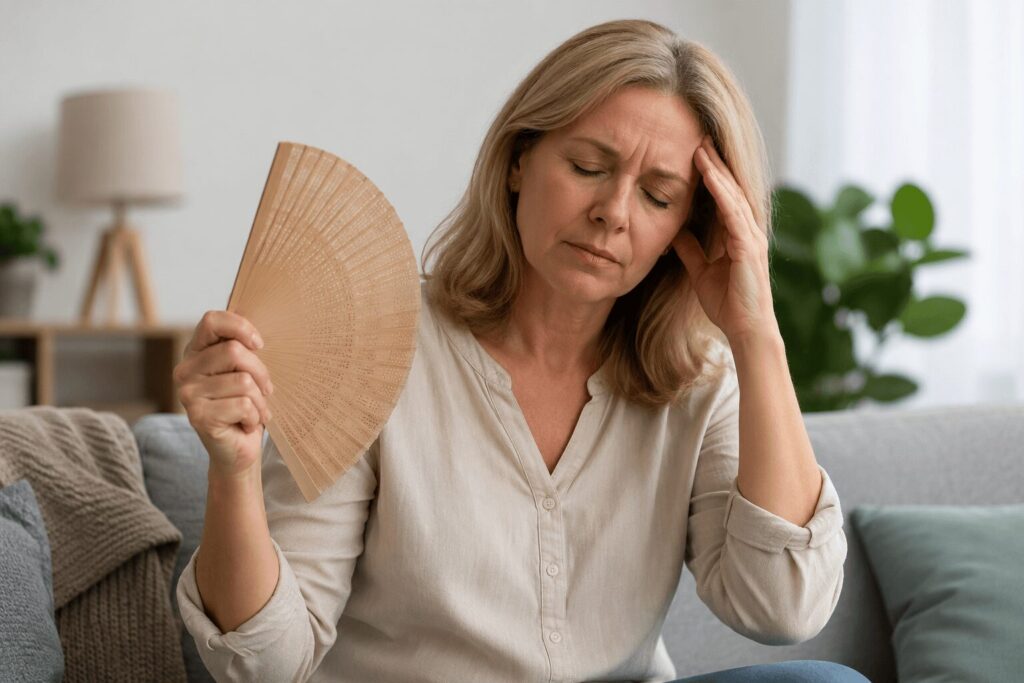
Menopause affects every woman in the UK, yet many still feel unprepared when symptoms begin. Whether hot flushes, mood swings, or sleep disturbances have already started, or you’re simply trying to understand what’s ahead, this guide breaks down everything you need to know about menopause symptoms in the UK for 2026 — from early warning signs to NHS support options.
If you’re also wondering about timing, our detailed guide on what age does menopause start in the UK covers the average age range and factors that can bring on early or late menopause.
What Is Menopause?
Menopause is a natural biological stage marking the end of a woman’s menstrual cycles, officially diagnosed after 12 consecutive months without a period. It’s caused by declining oestrogen and progesterone levels as the ovaries gradually stop releasing eggs.
In the UK, menopause typically happens between ages 45 and 55, with the average age being around 51. However, symptoms often begin years earlier during a transitional phase called perimenopause.
Common Menopause Symptoms in the UK
Symptoms vary widely between individuals, both in type and severity. Here are the most commonly reported symptoms among UK women:
Physical Symptoms
- Hot flushes and night sweats — sudden feelings of heat, often followed by sweating and chills
- Irregular periods — cycles becoming shorter, longer, heavier, or lighter
- Sleep problems — difficulty falling or staying asleep, often linked to night sweats
- Joint aches and muscle stiffness
- Headaches or migraines
- Weight gain, particularly around the abdomen
- Vaginal dryness and discomfort during intercourse
- Reduced libido
- Dry skin, thinning hair, and brittle nails
Emotional and Cognitive Symptoms
- Mood swings, anxiety, or low mood
- Brain fog — difficulty concentrating or memory lapses
- Irritability
- Loss of confidence
Less Commonly Discussed Symptoms
- Heart palpitations
- Tingling sensations in hands and feet (“formication”)
- Recurrent urinary tract infections
- Gum or dental sensitivity — some women notice increased dental issues during menopause due to hormonal changes affecting bone density and saliva production. If you’re due a check-up, our guide on how to find an NHS dentist in 2026 walks you through registering with a local practice.
Perimenopause vs Menopause: What’s the Difference?
Many UK women confuse these two terms:
- Perimenopause is the transitional phase leading up to menopause, which can last anywhere from a few months to over a decade. Symptoms during this stage are often the most disruptive due to fluctuating hormone levels.
- Menopause is the single point in time — 12 months after your last period — marking the end of fertility.
- Post-menopause refers to all the years following menopause, where some symptoms may ease while others (like bone density loss) require ongoing monitoring.
Why Symptoms Vary So Much
No two menopause experiences are identical. Factors influencing symptom severity include:
- Genetics and family history
- Lifestyle factors (smoking, alcohol, diet, exercise)
- Existing health conditions
- Stress levels
- Whether menopause is natural or induced (e.g., due to surgery or cancer treatment)
Interestingly, hormonal shifts during menopause can also affect blood sugar regulation, which is why many women in this age group are advised to monitor their glucose levels. If you’re unsure what’s considered healthy, see our guide on what is a normal blood sugar level, and if you notice unusual thirst, fatigue, or frequent urination alongside menopause symptoms, it’s worth reviewing the early warning signs of type 2 diabetes as well, since some symptoms overlap.
When Should You See a GP in the UK?
You should book a GP appointment if:
- Symptoms are significantly affecting your daily life or work
- You experience bleeding after menopause (post-menopausal bleeding) — this should always be checked promptly
- You’re under 45 and experiencing menopause-like symptoms (possible early or premature menopause)
- You’re considering Hormone Replacement Therapy (HRT) or want to discuss alternatives
NHS GPs can diagnose menopause based on symptoms alone for women over 45 — blood tests aren’t usually necessary unless you’re younger or your GP wants to rule out other causes.
Treatment and Support Options in the UK
Hormone Replacement Therapy (HRT)
HRT remains the most effective treatment for many menopause symptoms, replacing the hormones your body is no longer producing. It’s available on NHS prescription and comes in several forms: tablets, patches, gels, and sprays.
Non-Hormonal Treatments
For those who can’t or prefer not to take HRT, options include:
- Cognitive behavioural therapy (CBT) for mood and sleep symptoms
- Certain antidepressants for hot flushes
- Vaginal moisturisers or lubricants for dryness
Lifestyle Adjustments
- Regular weight-bearing exercise to protect bone density
- A balanced diet rich in calcium and vitamin D
- Reducing caffeine and alcohol, which can trigger hot flushes
- Stress management techniques such as yoga or mindfulness
NHS and Workplace Support
Since 2023, NHS England has expanded specialist menopause clinics, and many UK employers now offer menopause policies, flexible working arrangements, and occupational health support. It’s worth checking your workplace HR policy or asking your GP for a referral to a menopause specialist if symptoms are complex.
Frequently Asked Questions
How long do menopause symptoms last in the UK? On average, symptoms last around 4 years after your last period, though roughly 1 in 10 women experience symptoms for up to 12 years.
Can menopause start in your 30s? Yes. This is known as premature menopause or premature ovarian insufficiency (POI) and affects around 1 in 100 women under 40 in the UK.
Is weight gain during menopause inevitable? Not entirely — hormonal changes can slow metabolism, but regular exercise and diet adjustments can help manage weight during this stage.
Does the NHS provide free HRT? Prescription charges apply in England unless you qualify for an exemption, though Scotland, Wales, and Northern Ireland provide free prescriptions to all residents.
What’s the difference between menopause and perimenopause symptoms? Perimenopause symptoms tend to be caused by fluctuating hormones (up and down), while menopause and post-menopause symptoms result from consistently low hormone levels.
Key Takeaways
- Menopause symptoms typically begin during perimenopause, years before periods stop completely
- Common symptoms include hot flushes, mood changes, irregular periods, and sleep disturbances
- NHS support includes GP consultations, HRT, and specialist menopause clinics
- Always seek medical advice for post-menopausal bleeding or symptoms starting before age 45